



Dissident Sound Lab, the counter-cultural alter ego of composer and producer Ian Mathias-Baker, has put out its debut album-length work, Terms and Conditions Apply. It is available now on all major streaming platforms.
The album weaves together dance grooves, ambient electronica, cinematic soundscapes, and biting social commentary on life in the second quarter of the 21st century. It is meant to be experienced in full rather than as a collection of tracks. Hook-laden pop moments anchor the listening, while the wider album opens into expansive, reflective pieces that slow the tempo and set the whole thing in relief.
“Subversive disco,” as one critic put it, is an apt description.
Terms and Conditions Apply asks what happens when people come to understand themselves, one another, and the natural world mainly through the language of markets, technology, and consumption. It does not propose an answer or a solution. Terms and conditions apply, it seems, and they must be borne.
Three tracks stand out:
“That Option Is Not Available” sets a surreal automated telephone answering service to a disco-funk accompaniment. Its absurd menu of choices promises agency while withholding any meaningful chance of human contact.
“To Greta With Love” recasts climate activist Greta Thunberg as a secret agent infiltrating organisations intent on destroying the world. Drawing on the musical language of James Bond films, it is both an affectionate tribute and a wry reflection on a world in which a teenager has to skip school to confront political leaders over the climate emergency.
“It’s a Beautiful Day Here in New York City” sets the cheerful platitudes of a radio DJ against the cynical calculations of financial analysts, over an ambient soundscape of sirens, subway trains, and street musicians. The result is a disturbing portrait of a society in which ecological destruction can be calmly accounted for as just another market variable.
Other hook-led tracks include “Objects of Desire.”
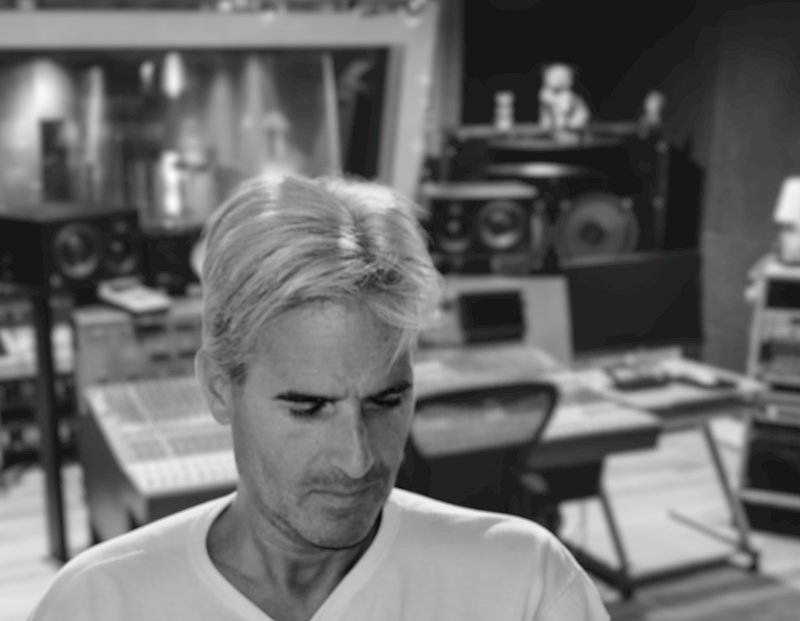
Mathias-Baker has been a peripheral figure on the music scene since the early 1990s, when he worked on an alternative dance project, Come September, with progressive rock legend Robert John Godfrey of The Enid. In the 2000s he was half of the downtempo pop duo Sungrazers, while also writing and producing for other artists and remixing tracks by the Beastie Boys, Missy Elliott, and Mariah Carey. Over the years he has also released a series of low-key collections of more reflective music under his own name, blending electronics and classical orchestration, often with poetry.
He is classically trained, holds a PhD in music, and has had an affinity with pop and dance since he was a 10-year-old cathedral chorister making pop recordings on analogue cassettes in his bedroom.
“Pop and rock always had a sonic potency to me, as well as cultural relevance that I found lacking in the classical musical establishment.” — Ian Mathias-Baker
With Dissident Sound Lab, he applies a more focused, disciplined aesthetic than his eclectic solo work, aimed squarely at mainstream appeal. The project blends throbbing electronic and dance elements with punchy live guitars and spoken word, and stays true to its alternative-dance roots and political aims.
A lifelong critic of capitalism and consumer culture, Mathias-Baker believes broad-reaching musical genres can be a powerful vehicle for social critique. That commitment to ecological and social justice runs through the music, making it not only entertainment but a call to action.