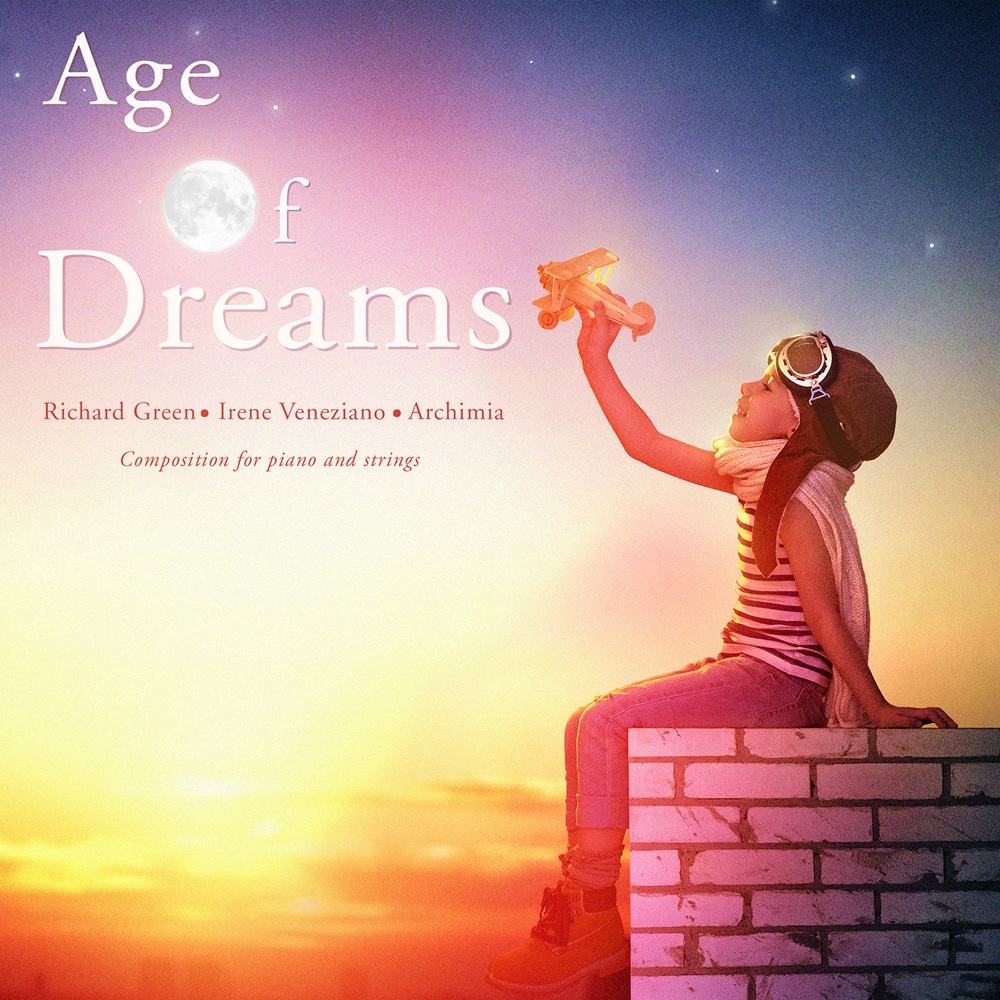
Milan, Italy – Italian musician, guitarist, and composer Richard Green released “Age of Dreams” on 22 December 2024 as part of the EP First Light, the opening chapter of his most ambitious artistic undertaking to date: a three-part neoclassical trilogy exploring the arc of human life through childhood, adulthood, and legacy.
The track captures the carefree, boundless imagination of youth, that precious “age of dreams” when possibility feels infinite, a quality many lose as adults. Green’s deeply personal concept is brought to life through a seamless fusion of classical piano and string arrangements with contemporary sensibilities, resulting in sophisticated, genre-defying compositions that are both artistically significant and emotionally resonant.
First Light features collaborations with classical musicians of considerable stature, including pianist Irene Veneziano and the string quartet Archimia. The project began as a single EP but expanded into a full trilogy, with A Journey and The Circle Closes also released in 2024, completing a cohesive narrative journey.
Richard Green is based in Milan and shaped by the eleven years he spent in London, where he earned his degree in music. From his very first release, “Dark Horses” (2020), he has demonstrated remarkable versatility across styles. After early experiments in electronic music, he turned to this neoclassical body of work: piano and string quartet compositions that blend modern approaches with a classical foundation in original and refined ways.
Looking ahead, Green continues to explore new directions in 2026 with two contrasting projects: one focused on melodic electro/tech with elaborate production, and another centred on rhythm-driven music that mixes funk, rock, electro and hip-hop. This ongoing range underscores the versatility that has defined his career from the beginning.
About Richard Green Richard Green is an Italian musician, guitarist and composer based in Milan. Influenced by his formative years and musical studies in London, he moves fluidly between electronic, neoclassical and rhythm-based styles. His trilogy of piano-and-strings works First Light, A Journey and The Circle Closes- stands as his most significant artistic statement to date, marked by thoughtful collaboration and emotional depth. “Age of Dreams” remains a highlight of the First Light EP.
“Age of Dreams” is available now as part of the EP First Light.
Young V, out of Michigan City, teams up with Love Ladda for “Get Away,” out September 15th, a hip-hop and R&B collaboration built around the universal need to step away from the grind and reconnect with the people who actually matter. Recorded at Bright Star Studios and drawing inspiration from Ja Rule and J.Lo’s “I’m Real,” the pairing came together after Young V heard Love Ladda’s work and immediately recognized a shared energy, a connection rooted partly in both artists’ Midwest backgrounds, even though Love Ladda now calls the South home. What started as a creative match became a genuine friendship, and that chemistry is audible in the finished track.
This song captures that R&B magic perfectly: a tight but soulful rhythm section, genuinely great hooks, and luscious chord work all working together as the foundation. What really elevates it, though, comes down to two things specifically: the vocal performances and the interplay between the two singers, plus a rhythmic playfulness running through the arrangement that keeps the track feeling loose and alive rather than locked into one steady groove. That back-and-forth energy between the voices gives “Get Away” a conversational quality that fits its subject matter well, two people genuinely enjoying making music together rather than just trading verses.
For a song built around the idea of stepping back from life’s demands to be with people who matter, “Get Away” earns that message through its own creative story as much as its lyrics, a collaboration that grew out of real chemistry between two artists rather than a forced pairing. It’s an accessible, easy-to-connect-with single, and the vocal interplay alone makes it worth a listen, in my opinion.
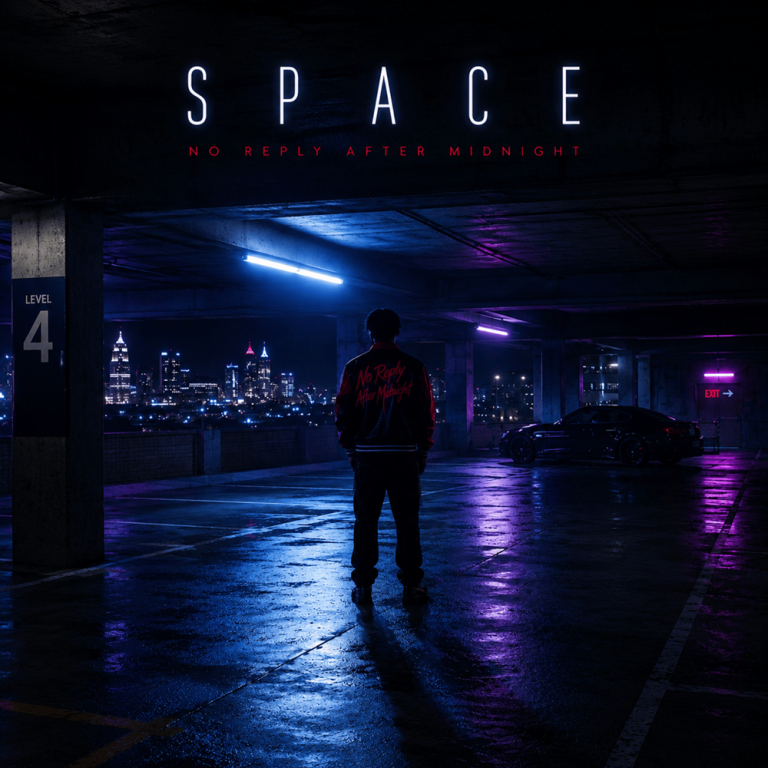
Last Seen Archive is the brand CJ Hill uses for No Reply After Midnight, a solo project out of Wentzville that arrived with “Space” on July 17, 2026. The idea behind the label is simple: memories don’t fade; they get archived. That fits the way this track pulls from old relationships, turning what people keep quiet about into something heard. It’s a solo effort recorded in a family home, no outside hands, just one person sorting heartbreak into pop-alternative-trap shapes. The hook here isn’t the title’s literal meaning but a flipped perspective: CJ Hill asked for room in real life, then wrote it as the other person needing space. It keeps the song from being a straight diary entry.
The production feels solid, built around a guitar sample used with a light touch that anchors the groove. It’s not flashy, just steady. What catches you is the vocal style, which moves in an unconventional way, hard to pin down without hearing it, but it sets the tone. The arrangement keeps things open, letting the theme breathe. There’s no clutter, just a direct take on boundaries. The song earns its place by staying grounded in that relatable tension between distance and staying close.
There’s a tour mentioned for next year, so this might be a quiet start before more shows. For now, “Space” sits as a plain, honest piece that does its job without overreaching. It fits the catalog as a first move from a writer who treats every split like a fresh archive entry. It’s worth a listen if you’ve ever balanced holding on with letting go.
Desire can be physical, emotional, spiritual, and sometimes all three at once. Amanda Holley’s “NO MORE” moves through these different forms of intimacy, using contemporary R&B and neo-soul to explore what it means to seek connection without losing oneself in the process.
The New York City singer-songwriter’s latest single sits somewhere between sensual slow-burn and emotional declaration. Its repeated “no more” becomes more than a hook; it is a boundary, a release, and eventually an act of self-reclamation. What begins as refusal gradually opens into the possibility of something different.
Holley’s approach to desire is particularly intriguing. The song moves beyond physical attraction toward a form of intimacy that is emotional and spiritual, giving its sensuality a deeper dimension. Connection here does not mean surrendering the self. Instead, the track asks what it means to want closeness while remaining grounded in self-worth.
That tension between vulnerability and defiance gives “NO MORE” much of its emotional character. Rather than presenting healing as a clean break from the past, Holley frames it as an active decision to move beyond survival and make room for love, beauty, creativity, and a more conscious existence.
The song’s unusual origin adds another layer. Holley recalls envisioning people taking to the streets while developing the track, months before the global shutdown and ensuing social upheaval. Yet its strongest resonance remains personal: the insistence that painful history does not have to determine what comes next.
With her expansive five-octave voice at its centre, Amanda Holley’s “NO MORE” ultimately turns refusal into possibility, of an intimate search for something more meaningful. One that is uniquely on the other side of endurance!
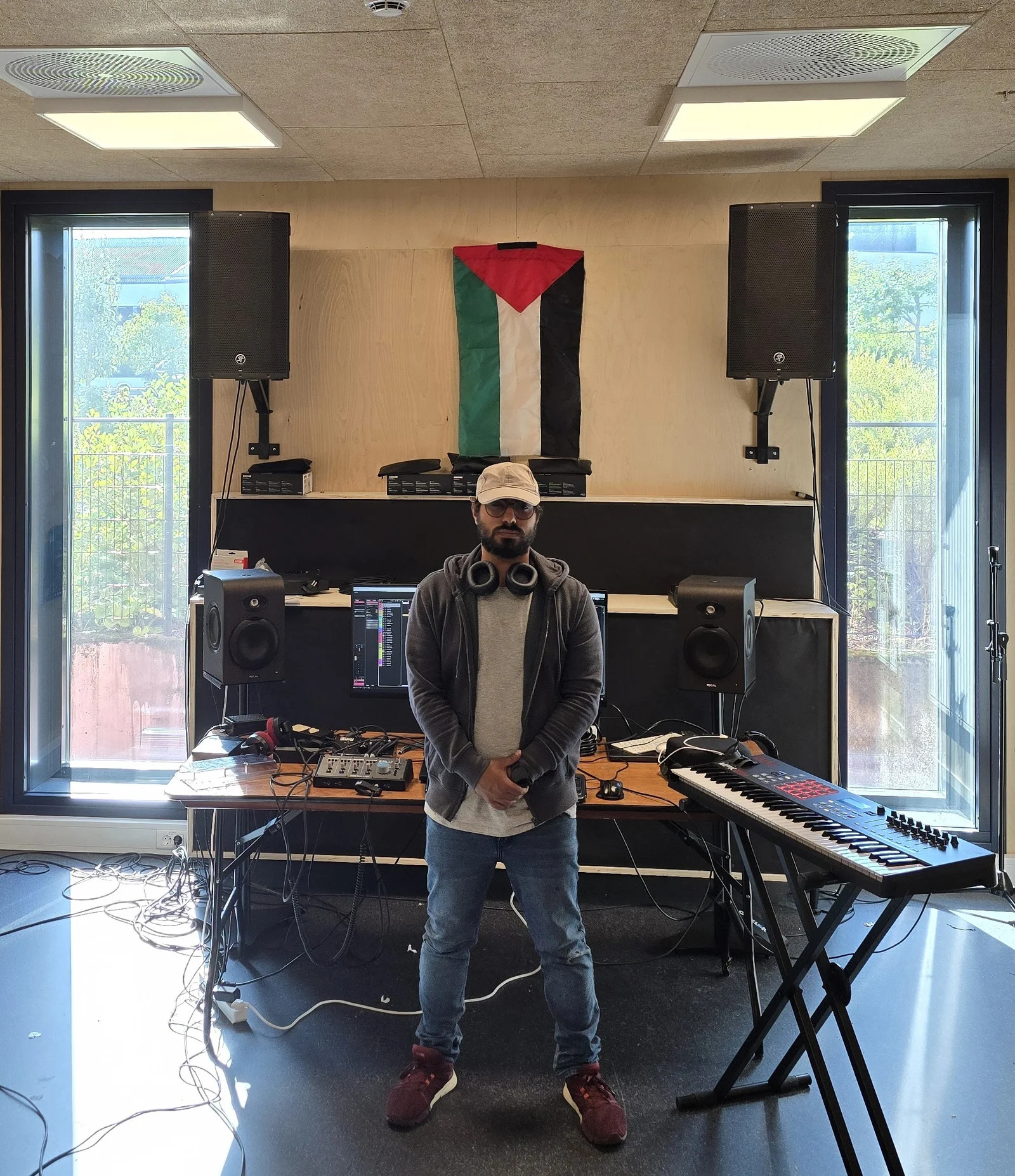
Elsusi has spent more than fourteen years writing and producing music, much of it in makeshift studios, under conditions most artists will never have to imagine. He survived six months under the genocide in Gaza in 2023, building an entire artistic practice under siege before the ICORN City of Refuge program brought him to Stavanger, Norway, in 2024. Eish B Karama: Meen Ana, “Live with Dignity: Who Am I,” is the album that carries that history forward, moving between Arabic hip-hop, rap, melodic songwriting, and contemporary production while working through identity, dignity, displacement, love, loss, and what it means to rebuild a life after Gaza.
“Meen Ana” opens the album, and it’s the clear emotional center of the record. It’s a powerful ballad, and Elsusi goes to a genuinely vulnerable place on it, confronting how survival and grief reshape a person’s sense of identity, especially with so many friends now martyrs. The song sits with a question that doesn’t have an easy answer: how does anyone keep being an artist in a moment like that? It’s a vital thing to put into words, and Elsusi does it without flinching, which is exactly what gives the song its weight.
The album doesn’t stay in that register throughout, and that range is part of what makes it work. “Bmor El Youm” is genuinely danceable, built on classical Arabic pop melodies that carry a bittersweet undertone even while the track moves the body, and it’s easily the catchiest song here, a combination that only really works because Elsusi commits fully to both halves of it rather than picking one mood over the other. “Ma Bdee,” the shortest song on the record, leans hard into trap, with explicit, forceful lyrics about a culture that has survived every attempt to erase it throughout history, fused with rock elements that give the track a sharp, unexpected edge.
That range, ballad to dancefloor to trap-rock hybrid, reflects an artist refusing to be flattened into a single note by what he’s lived through. Eish B Karama: Meen Ana insists on joy and grief occupying the same space, on identity as something actively rebuilt rather than simply mourned, and on dignity as the whole point. It’s a genuinely essential listen, not because of the story behind it alone, but because Elsusi has made real, considered art out of it.
Kyoto-born, Oslo-based artist Sienná returns with her seventh full album, EMA, out September 23rd via Anneis Records, her first new Norwegian release since 2023’s Wa-Kei-Sei-Jyaku. True to the “East-meets-West,” no-rules approach she’s built her career on, working across Europe and Asia alongside collaborators like Nils Petter Molvær, Mick Karn and The Crazy World of Arthur Brown, EMA takes its title from the small wooden plaques used in Japanese shrines to communicate with the divine. Sienná treats the nine tracks here as her own version of that practice, songs written down from what she describes as ideas that arrived while walking alone through the mountains. “My songwriting locations for this album were Kibune valley in Kyoto and Ischia island,” she says of the process behind it, describing the writing itself as something closer to transcription than composition, messages received rather than constructed.
This album is pure genius, a transformative and colorful experience that moves from ambient trip-hop style songs like opener “Be A Seeker, Believer” to genuinely danceable tracks like “Your Facts, My Facts,” the kind that make it impossible not to get up and move, and on to cinematic, harmonically dense pieces like “Aenaria” that lean fully into the signature Japanese harmonic movements running through Sienná‘s music, in a style that recalls Ryuichi Sakamoto. It’s a remarkably diverse record from end to end.
One standout moment is “A Messenger,” built around an addictive, simple rhythm, but the spoken-word lyrics layered against tense, suspended harmony make it a genuinely gripping listen. The track’s message is worth experiencing without spoilers, but it carries real spiritual and philosophical weight, punctuated by genuinely surprising musical interludes.
That range across the album, from spacious ambience to full dancefloor energy to spoken-word introspection, fits an artist whose whole philosophy is built around resisting fixed structure in favor of following an idea wherever it leads. Lead single “Be A Seeker, Believer” sets that tone early with its themes of resilience and self-belief, aiming to restore some hope in what Sienná calls a beautiful but sad world, and the rest of EMA follows through on that promise across its full nine-track run, from “369 (Miroku)” and “Finding Inner Sanctuary” through to closer “From Here to Where You Are.” For an artist this committed to genre-defying exploration, this is a genuinely cohesive and immersive listen despite covering so much ground, one that rewards the kind of patient, full attention it clearly asks of the listener.
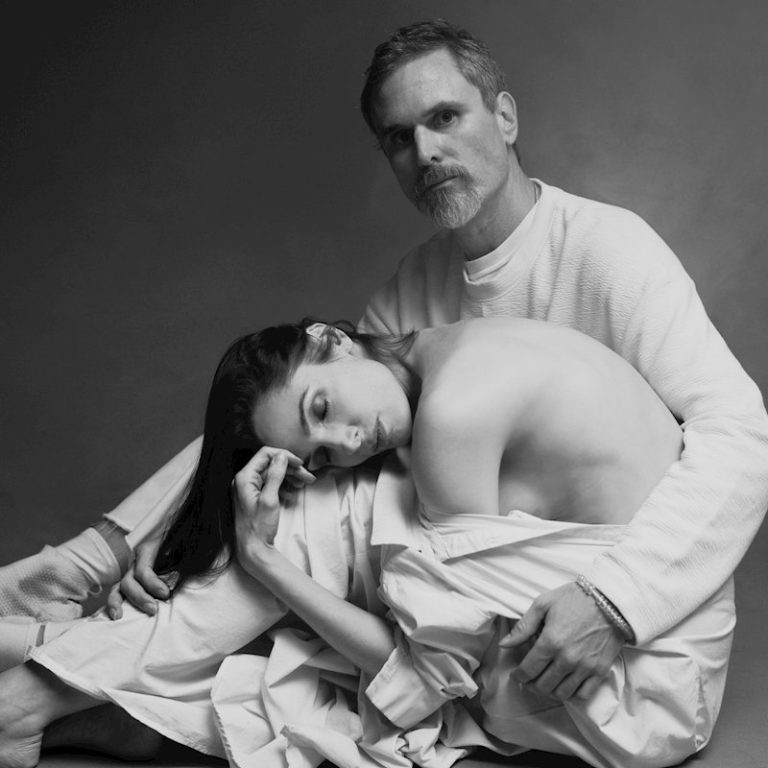
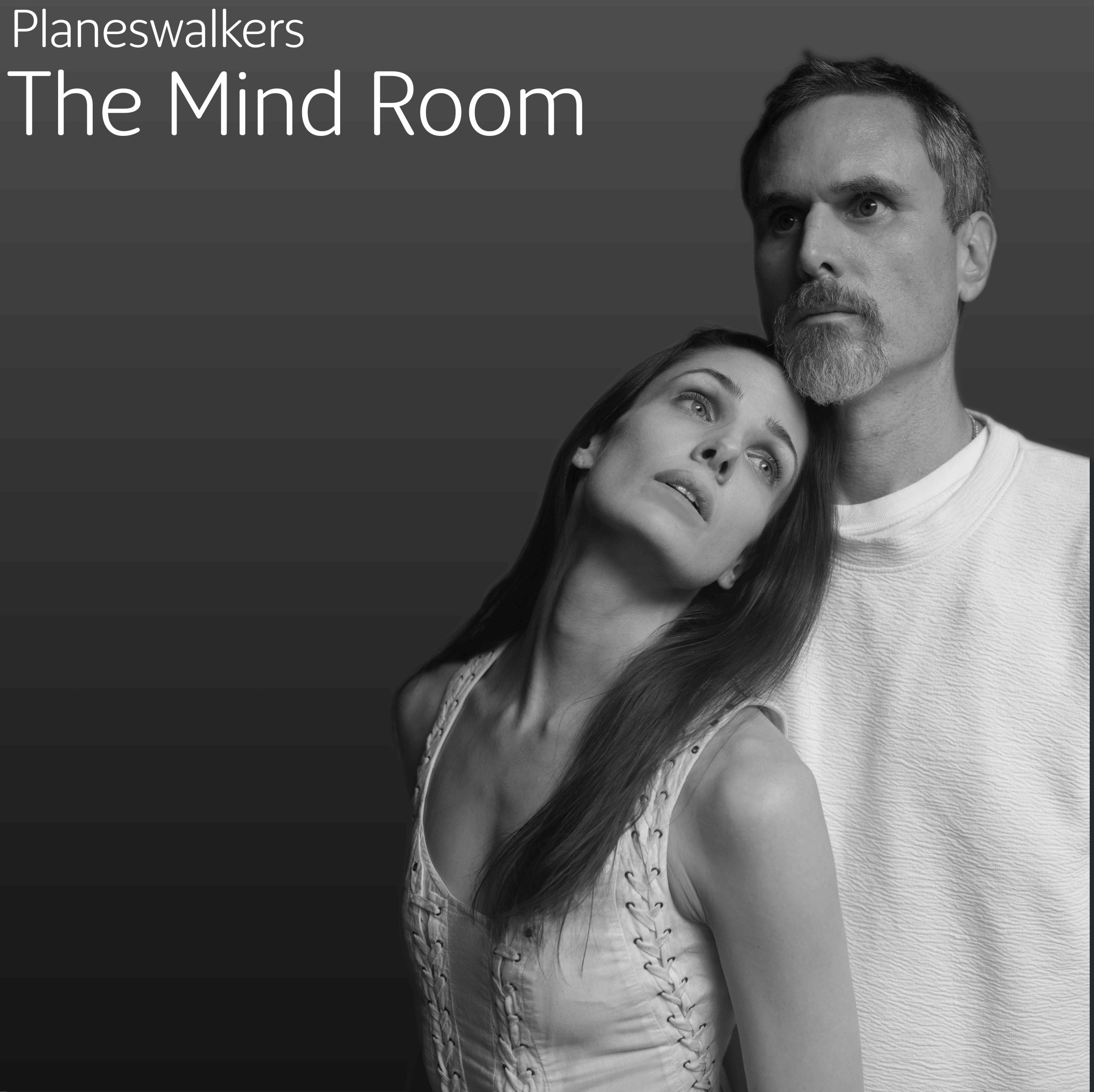
Some creative partnerships feel inevitable in retrospect. Planeswalkers — the new project born from the union of ethereal gothic artist Arden Leigh of Arden & the Wolves and industrial and electro visionary Andrew Means (3TEETH, Patriarchy) — feels exactly like that. Their debut EP “The Mind Room” arrives September 1st, 2026 on all digital platforms: four tracks of dark, immersive witch house exploring ambient, electronic, experimental, and industrial territory that draws comparisons to Massive Attack, Zola Jesus, Portishead, and Imogen Heap. Built on shared occult passions, a synergistic musical chemistry, and a deeply intentional concept rooted in healing, trauma, and the magick of narrative, this is a project unlike anything either artist has created before. We sat down with Arden and Andrew to get inside the world of “The Mind Room.”
Arden, you had sworn off starting new music projects entirely — yet here you are with a new project and a new name. What specifically did Andrew bring to you in those first few seconds of what became “Horizons” that changed your mind so completely?
Arden: We actually made that decision after the EP was already recorded. I knew I wanted to work with Andrew as soon as he messaged me, but at the time I was doing work with other musicians where we’d each be credited on the songs as separate artists collaborating, or with co-writers who were comfortable releasing under my solo project name Arden & the Wolves. I really didn’t think I had the bandwidth to take on the commitment of another project with its own set of social media accounts and momentum to keep up.
We actually had the album artwork all done up as “Arden & the Wolves + Andrew Means,” and then two months before the release Andrew sat me down and told me that he saw a very strong impression as a psychic medium that if we did it this way, we’d achieve some cult fame, but if we gave the project its own name and image we’d go a lot farther. My own divinations had told me the opposite, but I had been under magickal attack between February and June which had messed with a lot of the answers I was getting. So I went to a third party reader to break the tie, and sure enough, the answer was clear. Before I even finished articulating the question, the reader laid out the cards: Death, Jupiter, Justice, and King of Wands. Literally, “A full transformation will bring great expansion. The correct position is held by Andrew.”
The name Planeswalkers comes from your shared occult practice of astral projection and planeswalking. For listeners who may be unfamiliar with that world, how does the practice itself — and the shared experience of it — directly shape the music you make together?
Arden: For “The Mind Room,” I had already been working on the situation I wrote the lyrics about, which involved learning and innovating remote communication to answer the cry for help made by a loved one even when they avoided receiving that help in the physical. I used some astral projection, which is typically the practice we think of when we use the term planeswalking, but a lot of it was also accomplished with practices like traditional folk magick, divination, the demon-feeding practice derived from the millennium-old Tibetan Buddhist practice of Chöd, and one archangel summoning from the Heptameron grimoire. I wrote “The Mind Room” vocals about that experience because frankly it was the thing I most needed to work out at the time, because it really was someone’s life on the line, and using the magick of the album as a hypersigil to ensure the success of that work was just an obvious choice to me. I don’t know what else I would have written those songs about. There wasn’t anything I was doing that was more important.
But once we decided to become Planeswalkers, the practice became woven into who we are as a band. For our following song, “Great Big Blue” which dropped on September 15th, I decided to give myself a break from the heaviness of the trauma healing work and use the lyrics to manifest some of the future travel that’s been predicted for me instead. But even in that, we wrote Andrew a spoken part in the bridge where he plays the captain making a flight announcement predicting no astral interference by negative entities, so it brings what could have otherwise been a very materialistic song back into our world. Plus that line in the song also serves as an added layer of protection and clearing.
“The Mind Room” is built around the concept of the hypersigil — a work of magick that alters reality through narrative and intent, a term from your teacher Grant Morrison. How consciously did you construct the EP as a working hypersigil, and what was the specific intention you were charging into fruition through writing and singing these songs?
Arden: Oh at this point I assume everything I sing has a strong chance of coming true, often in ways I don’t necessarily expect. It would be irresponsible of me not to acknowledge the consistency of that pattern. “The Mind Room” was one hundred percent a conscious hypersigil on my part. Although at that point on the timeline, really the narrative of the first three tracks had unfolded already since I had already been doing the remote communication I sing about in track 3, “Body.” So what the EP did was organize the existing work into a clear narrative in the first three songs, and then ensure the success of that work in the last track, “Alive.” And that was the intention, to make sure that the work was successful and that my friend made it out alive.
The EP explores facilitating healing from extreme trauma through remote means — navigating tripwires in the psyche, creating safety among internal parts, and building the trust needed to begin unpacking deeply buried memories. That’s an extraordinarily complex and delicate subject. What responsibility did you feel in translating that process into a dramatized musical narrative — and how did you ensure the music honored rather than sensationalized it?
Arden: I felt a responsibility to keep my friend alive when I was the only one in their life who understood what was happening with them. I don’t want to be a dick to anyone either but that was my priority. It’s not really in my nature to be especially maudlin or emotionally indulgent in my writing. It felt necessary to keep these songs abstract for the same reason that the trauma itself needs to be approached delicately. There’s a card from Brian Eno’s oracle deck Oblique Strategies that I kept pulling during this time: “In total darkness or in a very large room, very quietly.” I actually wanted to title the EP that at one point. The form has to match the content, you know?
During the process itself I went quiet and isolated myself from everyone for a long period of time, save for a very small circle of fellow practitioners, because there really is just nothing you can say about it and almost nobody who can relate to you. Nobody’s going to understand what you’re doing, everyone thinks you’re nuts. Even the archangel I summoned thought I was out of my mind caping for someone who had been so toxic to me until I explained to her that those behaviors were symptoms of trauma, showed her the treatment map I’d laid out, and asked her if God’s forgiveness was not for everyone or if there were any among His children who were excluded from the Kingdom of Heaven. There’s a certain mutism that holding that much grief and horror induces. You just don’t respond to those conditions with sensationalism. You stay the course and you do what’s necessary to get the job done, and you kinda have to not care what anyone else thinks about it.
I was worried about “Body” giving a wrong impression since it’s personal to the situation and does not describe an approach I would generally recommend in treating dissociative identity disorder. And importantly, I referred the person to a qualified lived experience professional for treatment – I just needed to do the remote communication to get them to actually go. In reality I approached it a lot more gently than is expressed in the song, even remotely – but at the same time, there were certain things that needed to be said, posthumously, and the song was the right place to say them.
I ran the EP and the press release by Katie Keech, who’s a plural lived experience clinician specializing in treating extreme trauma, and by another similar colleague of theirs in the UK who goes by Mouse (Chris Maskens professionally), for their seal of approval before releasing it. Generously, they seemed more concerned about the subject matter landing me on a watchlist.
Andrew, you approached Arden with four tracks in late 2025. What was the sonic world you had already built before she arrived — and how dramatically did her vocals, melody, and lyrical vision transform what those tracks became?
Andrew: I had meditated on a beautifully rich sonic world beforehand, but Arden brought color to it. It had been sonically sepia before and the vocals really set the tone for the whole project. The tracks became something significant after the vocals were added.
The four tracks — “Horizons”, “Clockwork”, “Body”, and “Alive” — move through the witch house and ambient electronic landscape in a very specific sequence. Is there a narrative arc the listener is meant to follow from beginning to end, and how did the track order reveal itself?
Arden: That was the order of the tracks when Andrew sent them to me, and even though I don’t think it was purposeful, I just started hearing the story that way. Absolutely there is a narrative that runs from beginning to end.
I actually briefly wanted to name the tracks after the four stages of Stanislav Grof’s Basic Perinatal Matrices but Andrew thought it was better to pull titles from the lyrics, and I think he was right about that.
Arden, Alternative Nation has praised your voice as having the potential to carry a torch to higher levels than even the most celebrated female lead singers in alternative music. Andrew, you’ve worked in the world of 3TEETH and Patriarchy. How do two artists with such distinct and established sonic identities find a sound that genuinely belongs to neither of them alone — but fully to both?
Andrew: That’s a great question. I think it has more to do with the conceptual definition and the overall aesthetic composition of the groups that when paired with specific sonic pallets gives the impression that the sound is uniquely theirs.
Arden: I am always looking to challenge myself by working with different people. I like adapting to other people’s styles as a means of growing myself as an artist. Truth be told, I’m so much more comfortable vocally in a pop belter Pat Benatar register, but the delicacy and precision of Andrew’s tracks and of the subject material called for a different sound, and I was eager to prove I could hang.
I think that Andrew’s and my shared lightwork practice informs our work together going forward so there’s a common thematic ground to return to. But I’m also interested in continuing to challenge myself vocally. “Body” was the first rap I’ve released, “Great Big Blue” is in a sort of chill glottal fry style rap that I’d never done before, and I’m working on writing some screams into my next topline.
You’ve recommended The Plural Association at powertotheplurals.com as a resource connected to the themes of this EP. How important is it to you that the release carries that outward-facing responsibility — and do you see Planeswalkers as a project with an ongoing social or healing mission beyond the music itself?
Arden: When I ran the EP by Katie Keech she suggested that was one thing I could add to the press release that could offer a positive impact. I really like that organization; I’ve attended some of their online conferences, so I owe them credit for the education they helped me acquire leading up to the work that would eventually be documented in “The Mind Room.”
I think Planeswalkers by nature has a mission of lightwork in the world. When you work with angels as much as Andrew and I do, it kind of becomes implicit. I don’t think it has to be all that deep, either – it’s just us presenting our spiritual experiences and relationships without apology. I think we’d like for everyone to know that those same skills and relationships are available to them if they want. Andrew began developing his clairaudience during the pandemic by tuning out all noise and music and engaging in ten hours of sensory deprivation per day. I developed my skills by divining and doing magick every day. We would be so happy if there were people out there who decided to train their gifts, develop relationships with angels, or expand their consciousness because our music helped them to see that it can be done. I guarantee there are people reading this right now who have spirits on the other side who are just waiting for them to make contact and ask for assistance.
Andrew has said he is ecstatic about how the lyricism and musical expression go hand in hand — and Arden, you’ve expressed excitement about continuing to explore both music and magick together. What does the future of Planeswalkers look like — and is there already more music, or a larger body of work, beginning to take shape in the netherworlds?
Arden: Aside from “Great Big Blue,” we have a cover song picked out for the future, and we’re working on developing more originals. Andrew sent me seven more tracks to topline and they’re all brilliant but unfortunately I work a lot slower than he does. I have ideas brewing, but when all your songs have a habit of coming true, and the landscapes of the times keep changing, you tend to get very intentional about what you write. I’m working on it though!
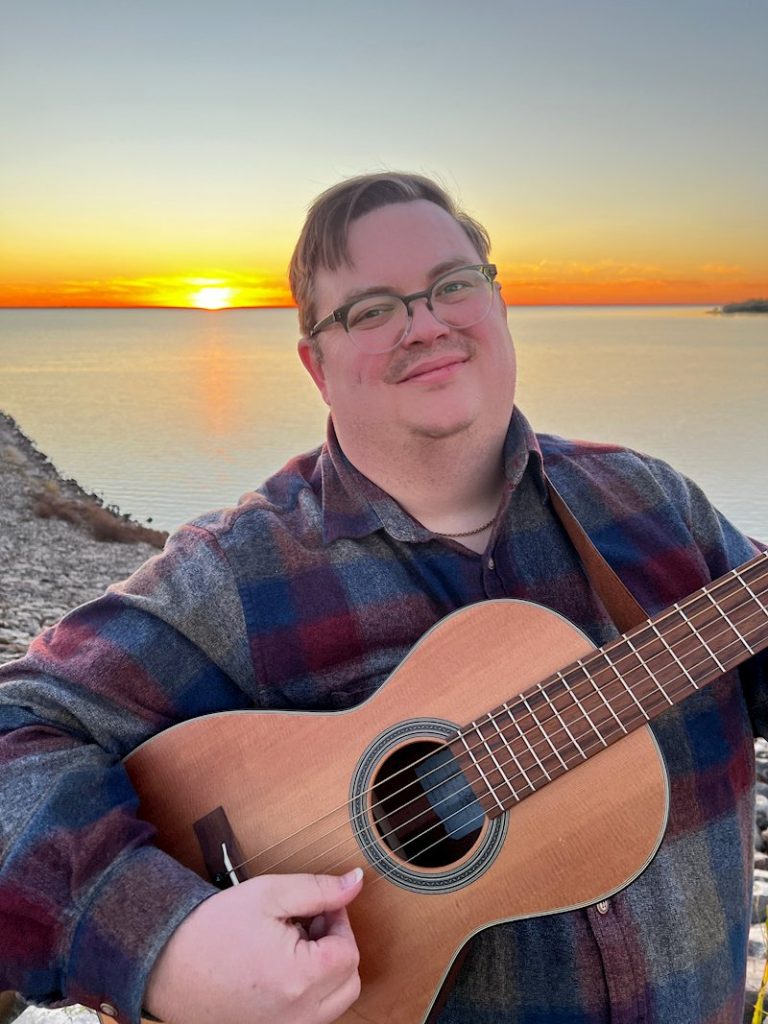
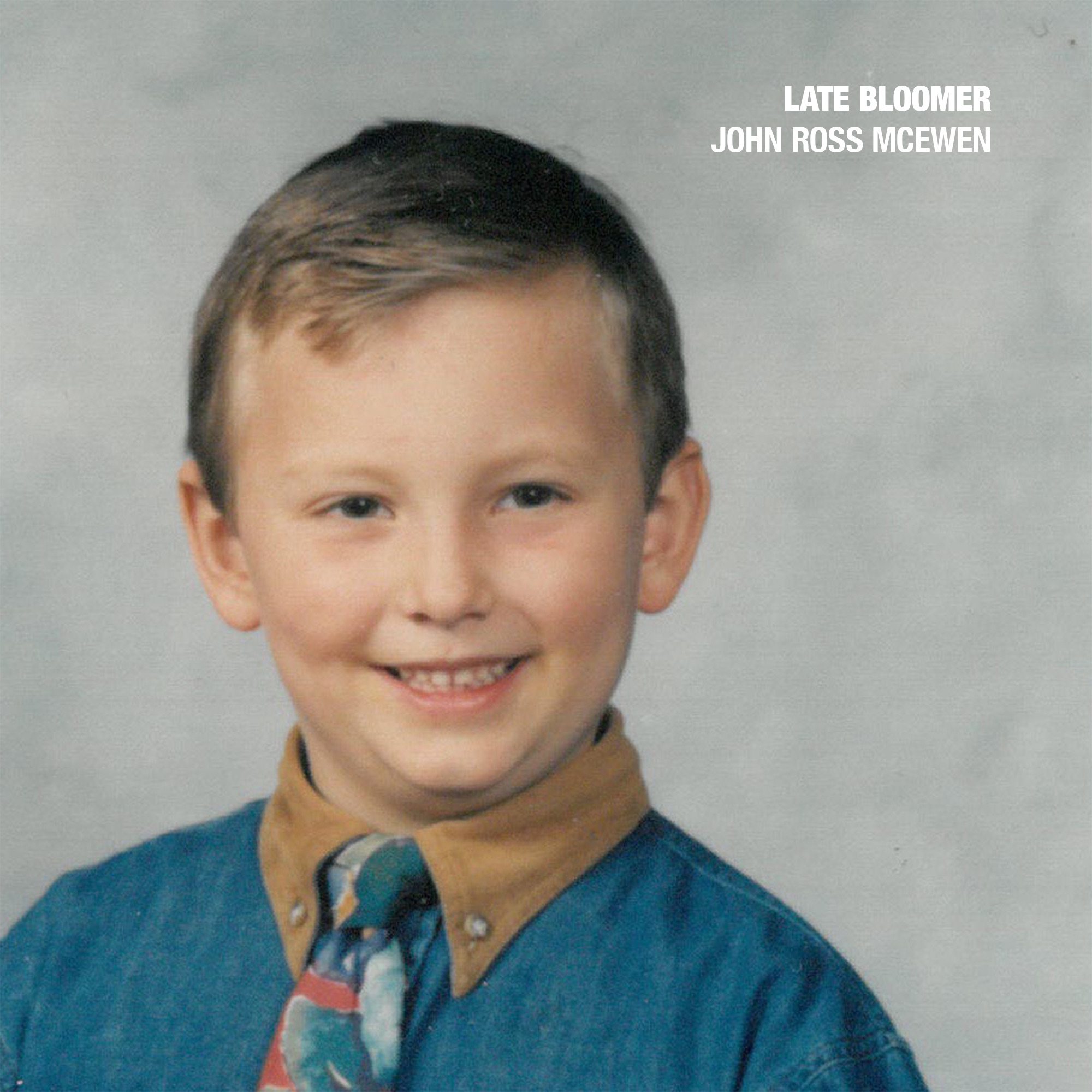
There are artists who make music — and then there are artists who make worlds. John Ross McEwen is firmly in the second category. The Wichita, Kansas singer-songwriter, guitarist, collagist, and experimental video artist returns with “Late Bloomer”, out August 25th, 2026 — a nine-track ambient folk meditation on grief, humanity, technology, existence, loss, and ultimately love. The follow-up to his acclaimed 2023 release “Sinking From the Shore”, this is a record that critic Randy Radic of V13 calls “a subtle, alluring interpretation of the human condition.” Built on American Primitive guitar, minimalism, and ambient textures, and brought to life by a beautifully assembled cast of musicians including saxophone, cello, pedal steel, and keys, “Late Bloomer” is deeply personal and quietly cosmic all at once. We sat down with John Ross to talk about the album, the years of living that made it possible, and the artistic vision behind it all.
You’ve described “Late Bloomer” as the product of years of floundering as a human and artist — a failed relationship, the physical loss of friends, and ultimately finding the love you so longingly searched for. At what point did those experiences stop feeling like wounds and start feeling like an album?
The wounds from my previous relationship have been mostly healed by meeting my lovely wife, so I had enough distance and perspective to explore the memories and pain without ripping open those wounds. I had some really rough years of self-doubt and loss, and those experiences helped inform the writing, but they weren’t necessarily the driving force behind it.
I came into the process with the intention that these songs would become an album. I started with a list of song ideas that I thought fit together thematically and then worked through them one by one. Some landed right away, while others needed some finessing.
I wrote them all within a four-to-six-month period, with the exception of “Lincoln, MT,” so they’re all an encapsulation of what I was working through or thinking about during that particular period of my life, both in the macro and micro sense.
The title “Late Bloomer” carries both humility and a quiet defiance — the acknowledgment that some things take longer, and that’s okay. How much of that title is autobiographical, and what does it mean to you personally to be putting this record into the world right now?
It is a very autobiographical title in many ways. One of those ways is my acceptance of my own musical creations and the feeling that they are worthy of being shared and listened to. I’ve been playing music for over 20 years, but I’m not very proficient in music theory. I know it’s important, but I never really took to it. That created a rift and lack of confidence in me that made me believe I wasn’t a “real” or serious musician because I didn’t understand the inner workings of theory. That limiting belief is just one element of the “Late Bloomer” title.
It also speaks to the later blooming of my love for myself and of romantic love. All of these things—self-acceptance, true love, and accepting my artistic craft—came together during the four years I’ve been with the woman I now call my wife.
Some things take time, and there’s no moral judgment in that. It just is. Things can take the time they take, and that’s okay.
“Late Bloomer” blends American Primitive guitar, minimalism, and ambient textures to explore themes as vast as grief, technology, and existence. How do you keep something that cosmically ambitious feeling intimate rather than distant — and how do you know when a song has found the right emotional temperature?
To be honest, I didn’t think much about how the songs would be received or whether they would feel intimate or distant. It just kind of is a product of my style, I feel like. While a lot of the lyrical themes are extremely specific to my life from conversations I’ve had and scenarios I’ve experienced, I still feel there is a universality to many of the things I wrote about. Even though the record is deeply autobiographical, most, if not all, people have experienced loss in its many forms, wondered about the universe, or felt some kind of disillusionment with technology.
I didn’t intend to write with a broad stroke or make these songs universally understood. I just wanted even the hyper-autobiographical moments to have elements that could connect to something bigger than just my own experience.
The album was produced by Andrew Weathers and features an exceptional group of collaborators — saxophone, flute, clarinet, pedal steel, cello, upright bass, and keys all woven through your acoustic songwriting. How did those arrangements come together, and how much did the musicians shape the final character of these songs?
All of the additional elements were written and arranged by the musicians playing them. For each collaborator, I provided a feeling or “vibe” sheet. For instance, for the flute at the beginning of “Paco,” I’d say that I was hearing something breathy, floaty, and playful. Just some keywords and timbre cues, and then I’d allow the musician to bring their own interpretation to my words, music, and cues.
The group of musicians I got are absolutely top-notch, and I knew they would not only understand what I was going for but also find their own inspiration within the music. Zack Warpinski said he wanted the pedal steel to sound like “an ARP 2600 on NyQuil.” I never could have imagined that prompt, but I’m so glad Zack wanted to take it there. His playing, and all of the playing from the other collaborators, really helped shape this record into something special. I feel confident that the songs themselves are really solid, but the instrumentation and arrangements really tie the room together.
Your artistic practice extends well beyond music into collage and experimental video art, and you’re consistently drawn to themes of nostalgia, place, and the beauty of ordinary moments. How do those other disciplines feed back into the songwriting — and is there a visual world that exists alongside “Late Bloomer” in your mind?
For this record I was so hyper-focused on leveling up my guitar playing and having the songs be the best versions of themselves that there really wasn’t a lot of overlap between collage or video art. But now that the album is released, I have been utilizing my video art equipment to make videos for social media. That’s what feels authentic to me. If I can have fun making something, I’ll do it, even if it may not be what the algorithm wants. Honestly, I wish I had a grand visual world to build for you, but it’s mostly all auditory with this album. I create auditory environments first, before anything else visual is considered. If you listen to the album from the lens of what environment I am in, that is how I approach the tonal and texture world of the record.
The tracklist includes titles like “Cosmic Hum”, “Chickenshit”, “Frog Shampoo”, and “Swing and a Miss” — a fascinating range from the philosophical to the playfully mundane. How do you hold that tonal range together within a single album, and is that contrast itself part of the point?
Contrast is for sure part of the point. Early on in my songwriting, I was heavily influenced by Syd Barrett. If you listen to either of his solo records, they vary in emotional tonality and sound. That’s something that I feel I don’t intentionally think about or have a gameplan for, it’s just something that happens.
While I don’t think I make huge swings in the music styles, the songs emotionally vary from grief, relationship things, and also questioning our existence and place in the world. The inspiration for “Cosmic Hum” was the anthropic principle. I had read about it and was so inspired by it, so I put a sticky note on my computer with the name so I could be reminded of it often. I was so fascinated by the concept and had to figure out how to put it in a song. I’m very happy with the range of songs, I think the contrast is part of the point. “Late Bloomer” isn’t a concept album, and while there is a theme of loss in there, the contrast is what kept me excited in the process.
“Late Bloomer” follows “Sinking Towards the Shore” and clearly represents a significant step forward as both an artist and a human being. Where does John Ross McEwen go from here — and is there already a next creative chapter beginning to take shape?
I’m not sure about a new chapter, but in the time I’ve taken to release “Late Bloomer”, I’ve already written a 4 song EP that is completely different stylistically than anything I’ve done before. No acoustic guitars, but more leaning towards my influences as a young musician. I pulled out the first guitar that I bought when I was a teenager, and rediscovering its sounds and power has been so much fun.
I also have been experimenting with a new audio workstation called Model 8, by Gulf Coast Synthesis. It’s based off of a 4 track cassette recorder and has tape physics, it is just wildly fun to play with and record in. All 4 songs were recorded using that software, and I’m excited to see where it all ends up. I’m not giving up my acoustic guitars and emotional songs, I just want to write and work on something that I don’t have to take so seriously. So much of Late Bloomer is me being super serious about all the elements of the songs, my guitar technique, the themes, who I collaborated with, etc. For now, I just want to make some songs for fun with no expectations of it being a project for release.
“Made Love”, out September 11th, closes out the debut EP from Never Enough In Love, the Worthing-based project of songwriter and producer Neil Durrant. It’s a song about the depth and complexity of romantic connection, that particular ache of wanting to give and receive more from love than feels possible, delivered with the same intimate, cinematic sensibility that’s earned Durrant early praise from artists like Gorillaz collaborator Seye Adelekan, who’s said he loves “the fragility of the voice at the centre of it all.”
This song is a masterclass of pacing and storytelling. It starts out in a genuinely intimate fashion, a gentle, piano-led confession that lets its melodies breathe rather than rushing toward anything bigger too soon, and that patience pays off completely once the arrangement finally opens up. The build is gradual and earned, gaining intensity and emotional weight step by step before erupting into a euphoric, gospel-inspired finale that hits considerably harder for having taken its time to get there.
That arc the song takes, where the textures mirror the narrative, is what music is all about; you can probably listen to the song with no vocals and still get what the song is about; that’s how powerful it is. In my opinion, Neil Durrant’s debut EP, “Made Love” makes a strong case for an artist genuinely skilled at building worlds inside individual songs, intimate and dramatic in equal measure, and unmistakably he has his own style; even as the arrangement grows and becomes much more complex, it still retains a unique fingerprint of artistry.
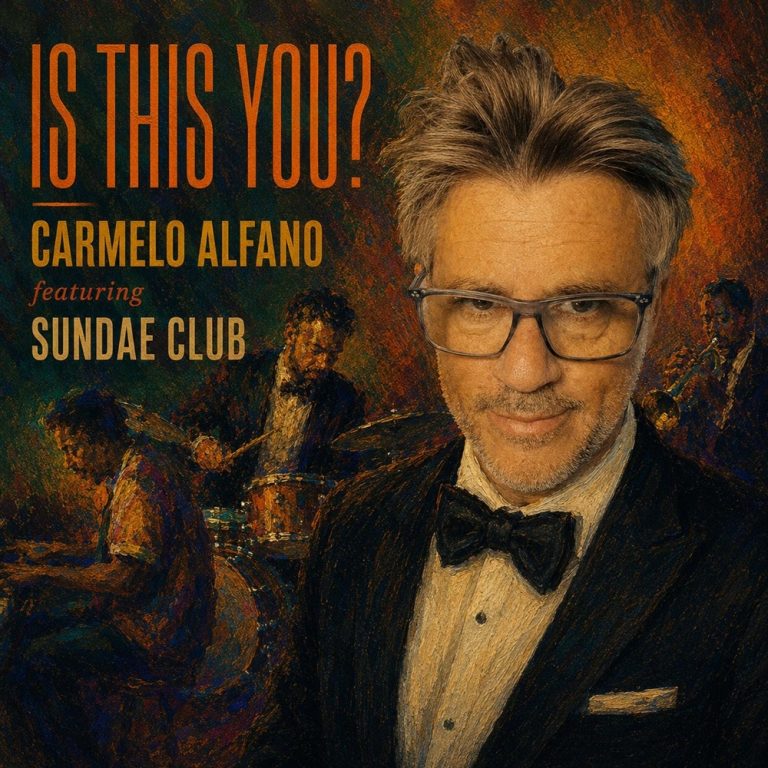
Carmelo Alfano‘s path to “Is This You?,” out September 1st, has taken some genuinely unusual turns. The London-based, Sicilian-rooted artist spent two years studying voice in Modena with the teacher of Luciano Pavarotti, filmed live-streamed gigs over dial-up more than two decades ago, long before streaming was standard practice, and fronted a band that once supported James Blunt. That band is also where this collaboration traces back to: Hamstall, the keyboardist in Alfano’s old lineup, went on to form Sundae Club with producer George Shilling, a project whose music has turned up on GMTV and ITV’s Champions League Weekly coverage over the years. “Is This You?” brings those two musical threads together, an eclectic, electronic-leaning track that sits somewhere between indie alternative and atmospheric lounge.
The harmony here is genuinely rich and complex, shifting between minor and major in a way that gives the track an ethereal, deeply mysterious quality throughout. Layered choir vocals push that even further, adding a genuinely otherworldly texture that elevates the track beyond a straightforward electronic mood piece. It’s the kind of harmonic movement that rewards close listening, the sort of detail that separates a track built with real compositional care from something assembled purely for atmosphere.
Given the decades of experience behind this pairing, Alfano’s opera-trained background meeting Sundae Club’s own history of collaborators and industry connections, it’s not surprising that “Is This You?” carries the weight of two genuinely seasoned musical minds working through something unconventional together. For listeners drawn to electronic and art-pop territory with something a little stranger and more textured running underneath it, this track is well worth the discovery.







 but that was my priority. It’s not really in my nature to be especially maudlin or emotionally indulgent in my writing. It felt necessary to keep these songs abstract for the same reason that the trauma itself needs to be approached delicately. There’s a card from Brian Eno’s oracle deck Oblique Strategies that I kept pulling during this time: “In total darkness or in a very large room, very quietly.” I actually wanted to title the EP that at one point. The form has to match the content, you know?