



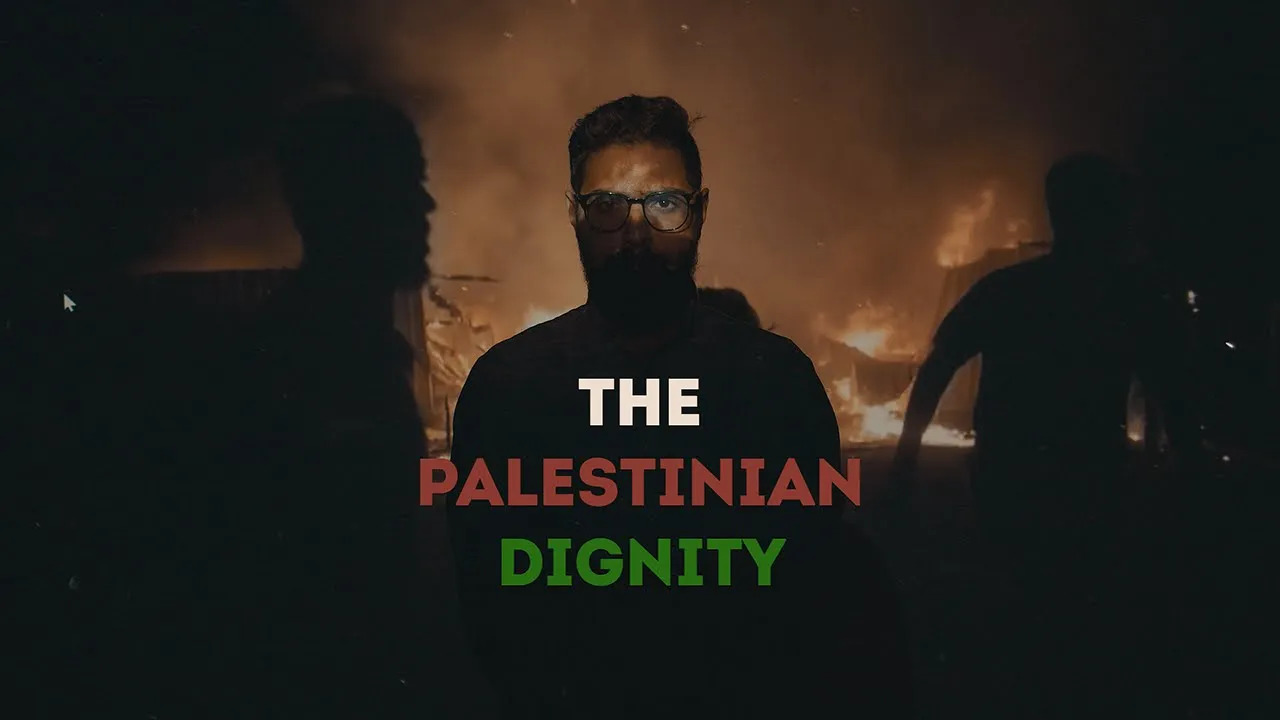
Elsusi has spent more than fourteen years writing and producing music, much of it in makeshift studios, under conditions most artists will never have to imagine. He survived six months under the genocide in Gaza in 2023, building an entire artistic practice under siege before the ICORN City of Refuge program brought him to Stavanger, Norway, in 2024. Eish B Karama: Meen Ana, “Live with Dignity: Who Am I,” is the album that carries that history forward, moving between Arabic hip-hop, rap, melodic songwriting, and contemporary production while working through identity, dignity, displacement, love, loss, and what it means to rebuild a life after Gaza.
“Meen Ana” opens the album, and it’s the clear emotional center of the record. It’s a powerful ballad, and Elsusi goes to a genuinely vulnerable place on it, confronting how survival and grief reshape a person’s sense of identity, especially with so many friends now martyrs. The song sits with a question that doesn’t have an easy answer: how does anyone keep being an artist in a moment like that? It’s a vital thing to put into words, and Elsusi does it without flinching, which is exactly what gives the song its weight.
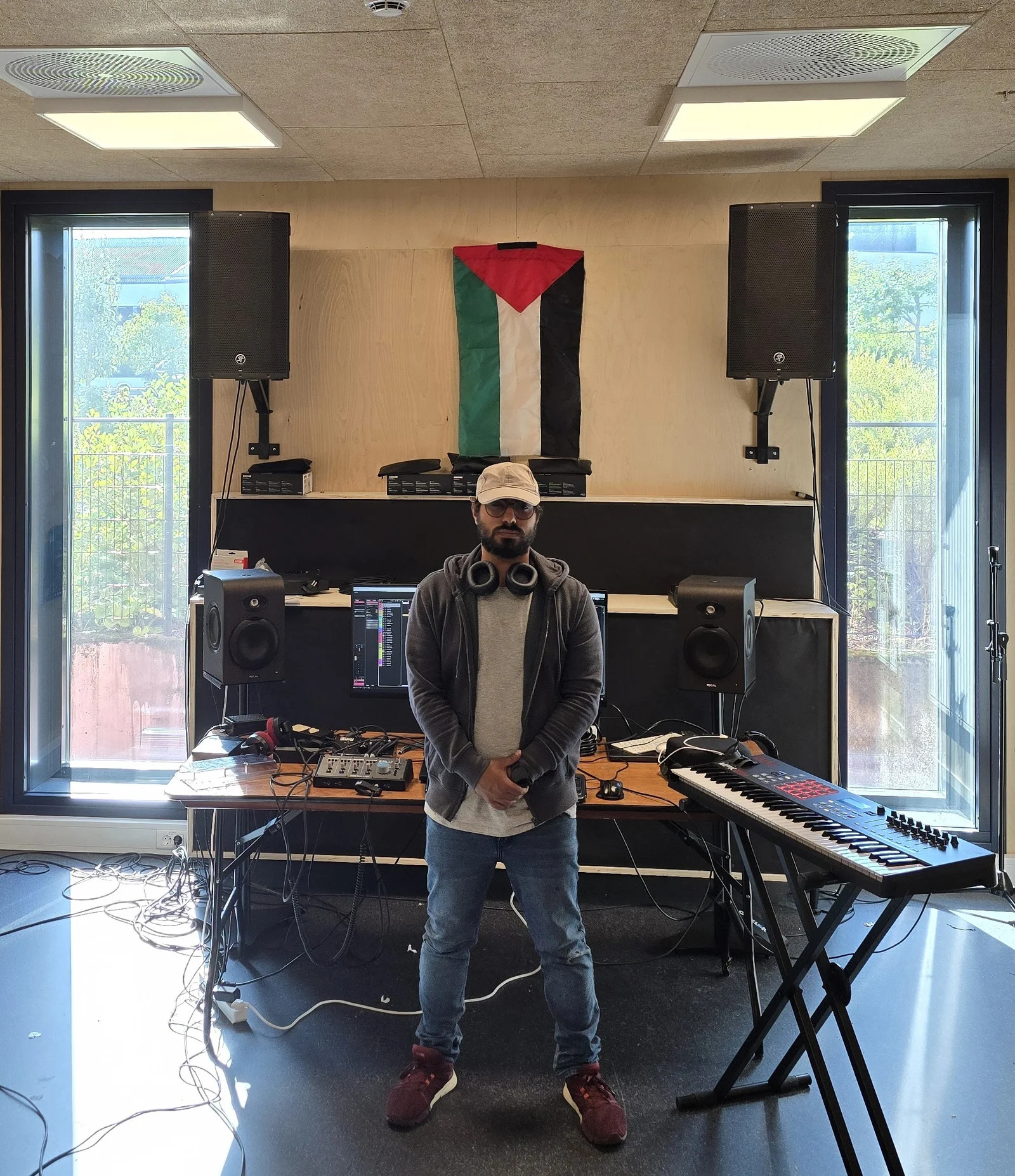
The album doesn’t stay in that register throughout, and that range is part of what makes it work. “Bmor El Youm” is genuinely danceable, built on classical Arabic pop melodies that carry a bittersweet undertone even while the track moves the body, and it’s easily the catchiest song here, a combination that only really works because Elsusi commits fully to both halves of it rather than picking one mood over the other. “Ma Bdee,” the shortest song on the record, leans hard into trap, with explicit, forceful lyrics about a culture that has survived every attempt to erase it throughout history, fused with rock elements that give the track a sharp, unexpected edge.
That range, ballad to dancefloor to trap-rock hybrid, reflects an artist refusing to be flattened into a single note by what he’s lived through. Eish B Karama: Meen Ana insists on joy and grief occupying the same space, on identity as something actively rebuilt rather than simply mourned, and on dignity as the whole point. It’s a genuinely essential listen, not because of the story behind it alone, but because Elsusi has made real, considered art out of it.