



UNDER THE SKIN OF SILENCE
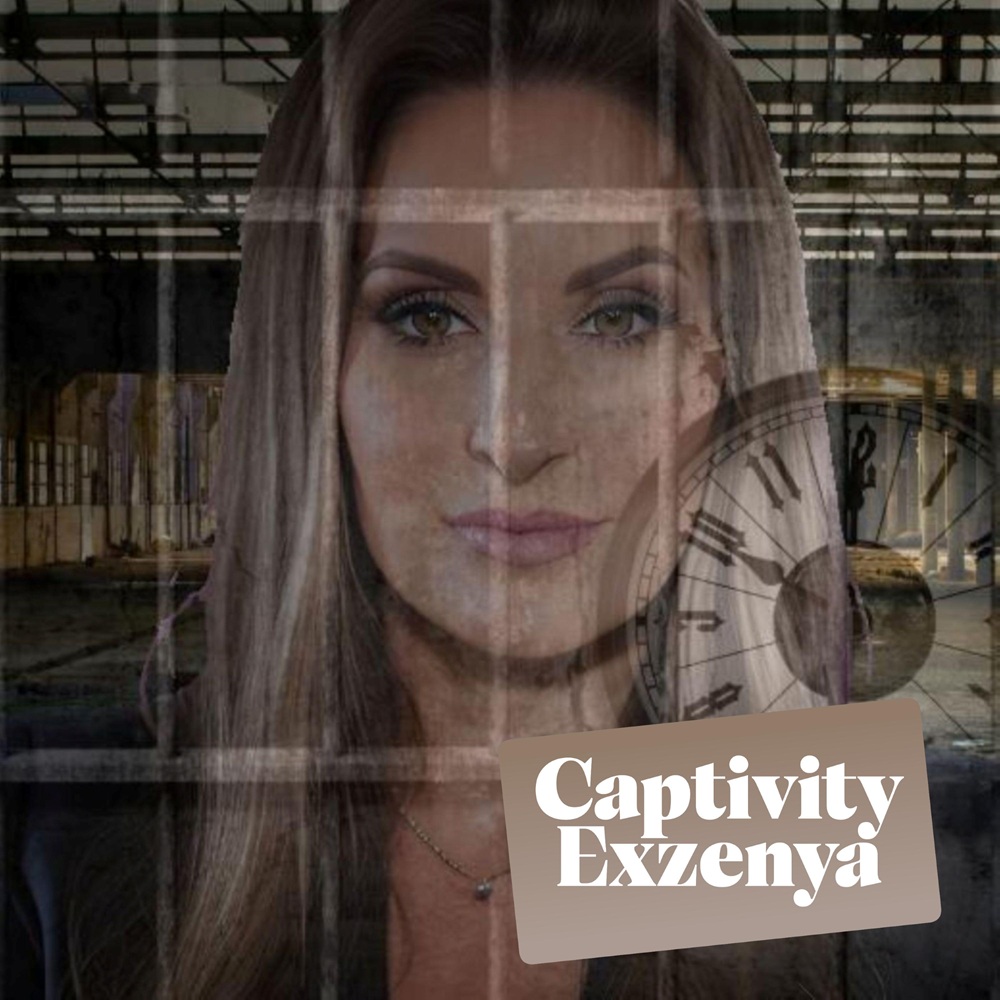
There’s something uncomfortably intimate about Captivity, the new single from Exzenya. It doesn’t simply narrate entrapment: it recreates it, wrapping the listener in a sonic room without windows and forcing stillness to become the loudest sound in the mix.
The track opens with a ghost of an old American folk tune, “Down in the valley, the valley so low,” but here, nostalgia is stripped bare. What once evoked open fields now feels claustrophobic, as if the melody were echoing from a radio buried underground. The wind that slips through the mix isn’t pastoral; it’s sterile, hollow, and strangely alive.
Exzenya’s voice doesn’t float above the arrangement: it breathes through it, pulling between resignation and revolt. She moves from resonant lows that feel rooted in the earth to trembling highs that hover just on the edge of collapse. Every exhale, every crack, every unsanded edge becomes part of the song’s anatomy. She doesn’t chase flawlessness; she turns it into form.
The release walks a delicate tightrope between acoustic rock and cinematic folk, built around slow, deliberate pacing where silence carries as much weight as sound. The production is spacious yet suffocating, its minimalism both liberating and terrifying. You can hear the ghost of control in the pauses, the pull of repetition in the rhythm: each note a behavioral cue in the captive’s conditioning.
Lyrically, the song dives into psychological terrain few dare to touch: Stockholm Syndrome, trauma bonding, and the reprogramming of self. Rather than painting these ideas in abstract emotion, Exzenya draws them in lifelike detail, the slow erosion of identity, the twisted comfort of dependency, the terrifying quiet of submission mistaken for peace. The result isn’t cathartic; it’s disarming.
There’s a moment midway through the song when her tone softens, not out of relief, but realization. You feel the weight of a person who has learned to love their own cage, and the terrifying clarity that follows. That’s where Captivity transcends its subject; it becomes less about the prisoner and more about the part of all of us that negotiates with our own restraints.
Exzenya doesn’t just write from knowledge; she writes from the intersection of art and psychological insight. Her background in behavioral science gives her language for what most singers would only gesture at. Yet, for all its intellect, Captivity is visceral. It hits not in the mind but somewhere below the ribs, where instinct, fear, and the memory of freedom all reside..