



COMPLEXITY THROUGH MINIMALISM – A STATEMENT OF GREAT TALENT AND CAPABILITIES
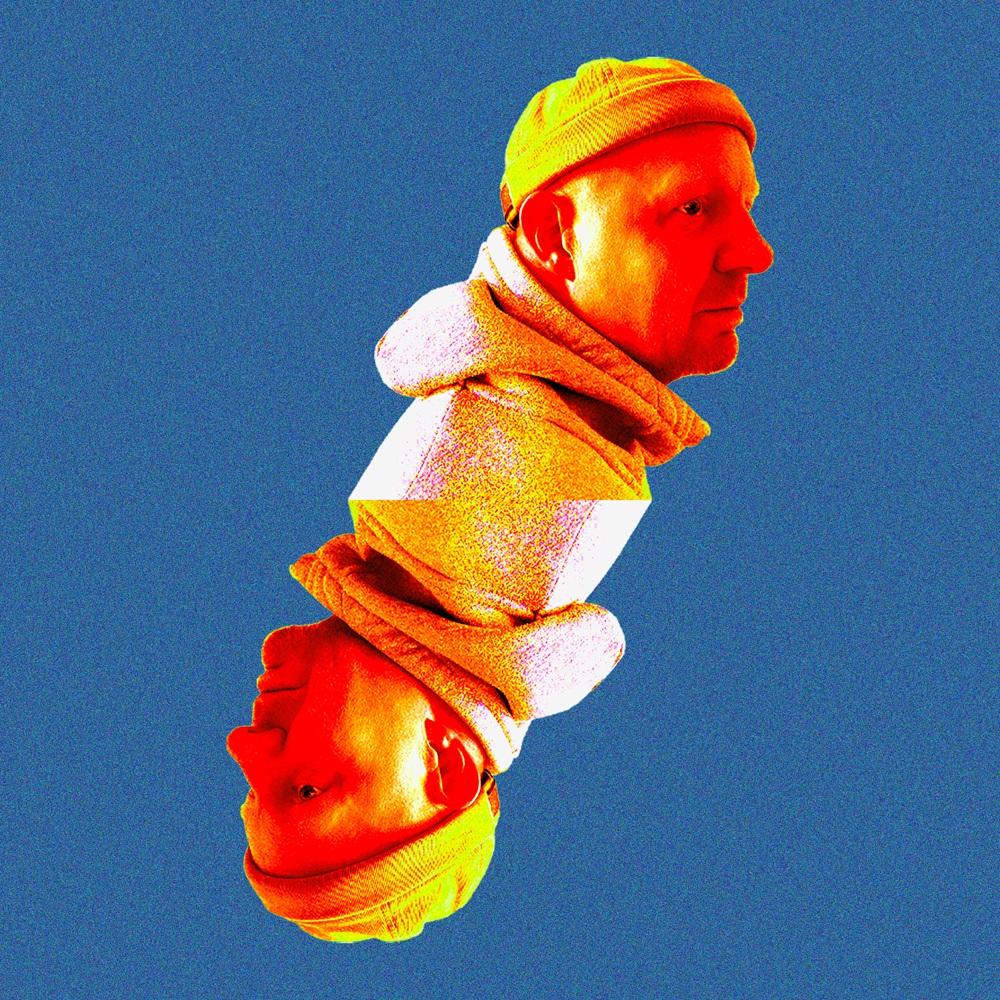
After a decade in the shadows, first as the lead songwriter for Manchester’s Minorplanet, then behind the alias This Morning Call, Ben Heyworth returns under his own name with Creature, a stripped-down, three-song EP that reintroduces his voice with remarkable clarity. The EP marks a significant moment: not only is this Heyworth’s first solo release in years, but it’s also a refined statement of who he is now, older, wiser, more acoustic, and, by his own account, slightly less ginger. The change suits him.
Set against the backdrop of Manchester’s Ancoats Marina, a place brimming with character and quiet oddities, Creature blends the warmth of folk with the subtle cool of indie rock and a brush of British nostalgia. Heyworth calls it “urban folk,” and it’s a fitting label. These aren’t songs from the countryside or the campfire, they’re tales from the canals, the concrete, the old bricks of a city steeped in post-industrial soul. Think Crowded House’s melodic instinct, Tori Amos’s piano-borne intricacies, and the narrative sharpness of Damon Albarn. Yet, the music feels entirely his own.
The opener, “Narrowboat,” is a meditation on life, loss, and floating stillness literally and metaphorically. The lyrics are hushed and confessional: “I smoke a pipe and I tell no lies / The currents try to drag me under.” Built around gentle acoustic guitar and ambient organ swells, the track has an almost ghostly restraint. Heyworth’s vocal delivery is deeply intimate, like he’s whispering over morning tea. The song is a quiet marvel, evoking the worn waterways of Manchester with both reverence and resignation.
“Image of Roads” trades canals for highways, imagining a cross-country American road trip that may or may not be real. It’s dreamlike, elusive, and gorgeously open-ended. The arrangement is more rhythmic here, hand percussion taps like fingers on a dashboard, and organs buzz with just enough vintage flair to suggest a lo-fi Pink Floyd undercurrent. But the real highlight is the writing: “Illusionary contagion / Caught in a simulation,” phrases that play with perception, distance, and time. The track feels like a mirage, shimmering just out of reach.
Closing the EP is “Creature Double Feature,” a track that borders on surrealism. Through a parade of oddball characters, “piglets and sailors,” “blue girls and mood boys,” Heyworth reflects on identity, distortion, and self-perception. The song is theatrical, eerie, and utterly magnetic. His vocal phrasing is loose and almost conversational, teetering between folk storytelling and psychedelic monologue. Think Donovan meets British cabaret. There’s a sense of playful menace, a shadow lurking just beyond the clever rhymes and catchy refrains.
Across all three tracks, what stands out most is Heyworth’s ability to do more with less. These songs are deceptively sparse, no heavy production tricks, no shiny pop hooks, yet every detail feels intentional. The harmonies are lush but never overbearing. The organs are gritty and soulful. The lyrics are vivid yet economical. This is minimalism with meaning, a demonstration of artistic control that comes only from experience.
In an age of maximalist folk-pop and algorithm-driven choruses, Creature offers something refreshing: music that whispers instead of shouts. It’s the kind of record that feels like a confidante, one you return to late at night, when the noise of the world has quieted down.
Ben Heyworth may have taken the long road back to himself, but with Creature, he proves that the journey was worth every mile.