



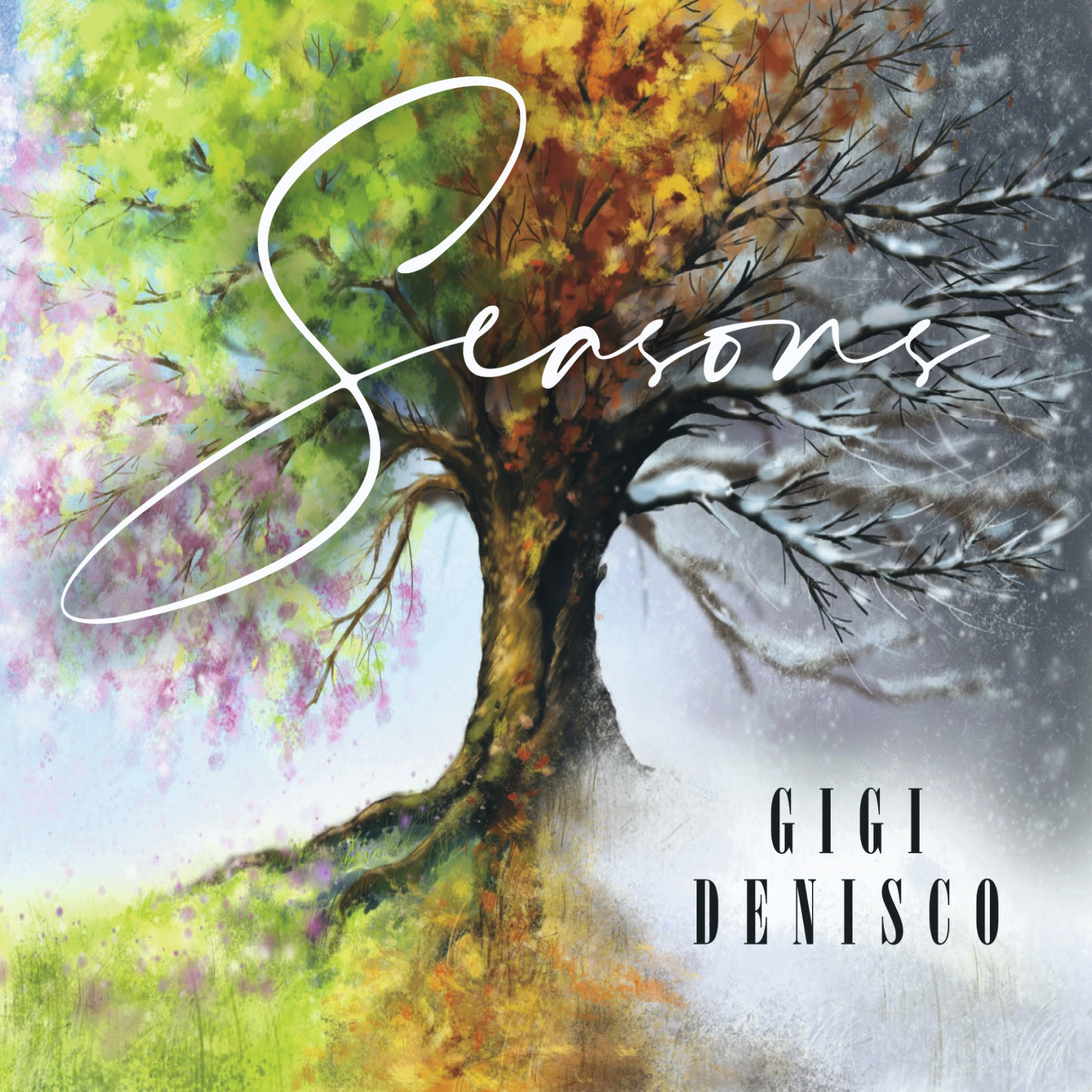
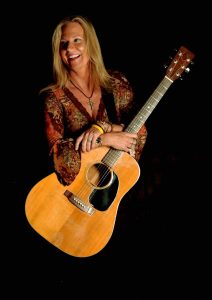
Gigi DeNisco has been building this career quietly and on her own terms for a long time. The South Florida singer-songwriter, guitarist, and ASCAP member started writing songs at 15, spent years grinding through Miami’s live circuit, opened for the likes of Willie Nelson, Keith Urban, and Stevie Nicks, and managed to chart two singles without a label behind her. “Ponyride” hit number five on the FMBQ AC chart. “Before We Start” hit eleven. By any measure, she earned her stripes. Seasons is her fourth album, produced by longtime collaborator and guitarist Jimi Fiano, with Euvoski Cunningham on drums and Steve Argy on bass. The exception is “Blue Skies and the Rain,” which was handled separately by Fernando Perdomo, a producer with credits alongside Carmine Appice and the Marshall Crenshaw Band, and mixed by Steve Gordon. It’s a Christian-leaning Americana record, though DeNisco herself is clear that she doesn’t see herself as exclusively a Christian artist. The album reflects a spiritual journey rather than a faith declaration, and that distinction matters when you’re listening. So let’s embark on this journey with her:
In the beginning was the word, but in “The Beginning” there was no word, because it’s an instrumental intro to the album, and despite its lack of words, it manages to say so much with its melodies. It works as the perfect mood-setter with its twinkling guitars and melodic lead guitar lines. It reminds me of a TV show intro from the early 2000s.
“Blue Skies and the Rain” serves as the introduction for the album’s themes, as it spells some of it out but mostly says it in between the lines. The longing for God that we all instinctively feel, and that hope that one day we will know about the blue skies and the rain that awaits us away from all the pain. This beautiful sentiment is laid bare over a tangibly warm arrangement of guitars and organs to set the album’s message in motion.
Though we don’t stay in that warm style for long because “Sidetracked” takes us on a bit of a detour to a more bluesy lane. It can almost qualify as swamp blues because of those moments with the slide guitar. It doesn’t feel like a tonal disconnect or that it clashes with the rest of the album; there is a cohesion here because the textures aren’t completely out of left field. Also, depending on how you look at it, the story about being locked out of a car in the wrong lane can be an allegory for the journey of losing faith and finding it again.
“Secular Stress” narratively expands on the idea of being spiritually lost and the secular stress really taking a toll on one’s soul. It’s the signal that starts the attempt to drive back to God. Lyrically, we see Gigi slowly realize that she needs to head back and integrate spirituality into her life. It’s at a great point in the album to have this turning point, and it works greatly as a handoff between “Sidetracked” and the following song.
“The Light” is what follows, and it’s a song that manages to pull off the impossible. It captures the moment where your personal experience confirms that God’s light is real, and it’s shining down on all of us, and it’s only us that sometimes reflect it away. Musically, it’s so rich with beautiful harmony with no need to create brand new textures. Kudos to the production team because the warm sound of the bass is really what makes this believable as a moment of becoming a believer.
“Everyday” is another musical break that works wonders for pacing and to break the main warm colors of the album with some brightness achieved by its borderline reggae rhythm section. Narratively, this serves as the answer to the question of how one remains hopeful and faithful in these strange and trying times. The answer is like everything in life: through practice.
“Thank You” is exactly what the title implies in the context of this album; it’s a song about expressing gratitude towards God for everything we have, for the gift of life itself, for letting us see the correct path in life. Even if life is deterministic and you were going to walk that path anyway, God gifts the perspective of seeing the blessings and hiccups for what they are, and that knowledge is worth getting down on your knees and being thankful.
“Please Come In” is a prayer much like the last song, but it’s not in a time of gratitude; it’s in a time of need. Need for guidance and the yearning for a feeling of safety. The Joni Mitchell influence is clearer than ever here, with the music supporting this ritual of a song. This intimate bonfire vibe is a drastic contrast to gospel music, where it aims to recreate the feeling of awe; it’s like those quiet moments of solidarity as lots of people pray to God for help.
Finally, we arrive at “The New Heaven,” which is naturally the closing track on this album, but I would say that the relief this song delivers feels a bit too easy. Maybe one more song about struggling with faith or a particularly difficult test from God would make this song hit a bit harder, but that’s up to subjective taste. Objectively, this is a great feel-good song that ends the album on a high and optimistic note.
Seasons is the kind of record that works best when you meet it where it is. DeNisco isn’t trying to convert anyone, and the album is more honest for it. The spiritual arc across these nine tracks feels lived-in rather than preached, and that’s a harder thing to pull off than it sounds. For listeners who connect with Americana, adult contemporary, or the Joni Mitchell and Bonnie Raitt corner of the singer-songwriter world, this one has plenty to offer. The production is warm throughout, the performances are genuine, and DeNisco sounds like someone who has spent a long time figuring out exactly what she wants to say.