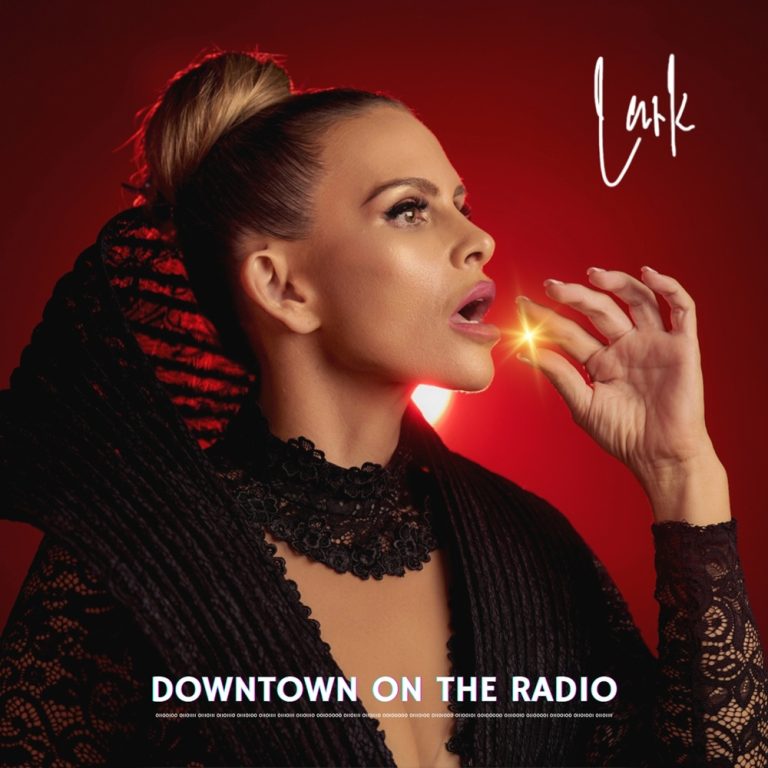
With over 20 years of experience in the music industry, I have a keen interest in history, particularly within our music business. I’ve observed that numerous bands and artists have taken a stand against various labels and global industry moguls. Take, for instance, the famous case of Michael Jackson versus Sony. Additionally, Lark’s Downtown on the Radio is a track that sheds light on these issues for both artists and fans. Let’s explore this topic further below.
To start, let’s discuss the music… I was truly captivated by Lark‘s singing style from the very first verse. Her vocals are not only emotive but also incredibly powerful. I genuinely believe she has the talent to seamlessly combine both elements to create a pop anthem. The music plays a significant role in this, and I was impressed by how Jono Fernandez (producer, mixer, and mastering engineer) was able to maximize Lark’s potential, allowing her vocals to shine through the robust mix. In fact, Fernandez excels in this area, known for his collaborations with artists like Sia and Morgan Page.
Undoubtedly, “Downtown on the Radio” delivers a powerful message that is essential for our digital age. However, record labels and streaming platforms profit immensely from artists, compensating them with mere pennies. This pop anthem stands as a protest against the streaming giants and record labels that take advantage of artists by offering hollow promises of “exposure.” It champions a revival of independent radio play and the spirit of downtown rebel culture.
“This song is about all artists taking back their power,” says Lark. “The streaming giants and corporate labels have turned art into a machine that churns out profit for them, not the creators. Radio has always been a place where independents could shine, and blockchain is a new way forward – one where artists own their work and their worth.”
This single is released with a unique 50-piece NFT collection on Apechain, enhancing artist-audience connections. The Downtown on the Radio NFTs feature distinct song versions and cover art by the iconic Marvel artist Christian Cordella. Each collectible combines music, art, and technology, granting fans a stake in Lark‘s creative vision. Additionally, NFTs serve as digital passes to the Lark Pop Syndicate, offering exclusive content and experiences to holders.
In my opinion, Lark is not only an up-and-coming music icon but will also bring the spark needed to ignite the revolution we’ve been anticipating for years. Thank you, Lark! I’m eagerly looking forward to your upcoming releases. YOU ARE A TRUE ICON!
Now, if you’re not familiar with Music NFTs, let me tell you more about it…
Music NFTs (Non-Fungible Tokens) are unique digital assets that represent ownership or rights related to a piece of music or music-related content, secured using blockchain technology.
Music NFTs can represent exclusive ownership or access to unique songs, albums, behind-the-scenes content, or VIP experiences like concert meet-and-greets. They may also offer fans a share in streaming or licensing royalties, turning them into part-investors. As digital collectibles, they can include limited edition artwork, signed tracks, or collaborations with visual artists. Additionally, music NFTs enhance fan engagement by offering perks like early ticket access, custom messages, or voting power on creative decisions.
Artists use music NFTs to earn direct income from fans without depending on traditional streaming platforms, build stronger connections through exclusive content and rewards, and maintain full ownership and control over their work—especially beneficial for independent artists.
Real-world examples of music NFTs include Kings of Leon releasing an album with perks like lifetime front-row seats, Tory Lanez selling 1 million NFT albums for $1 each in under a minute, and Grimes earning millions by selling digital art and music NFTs.