



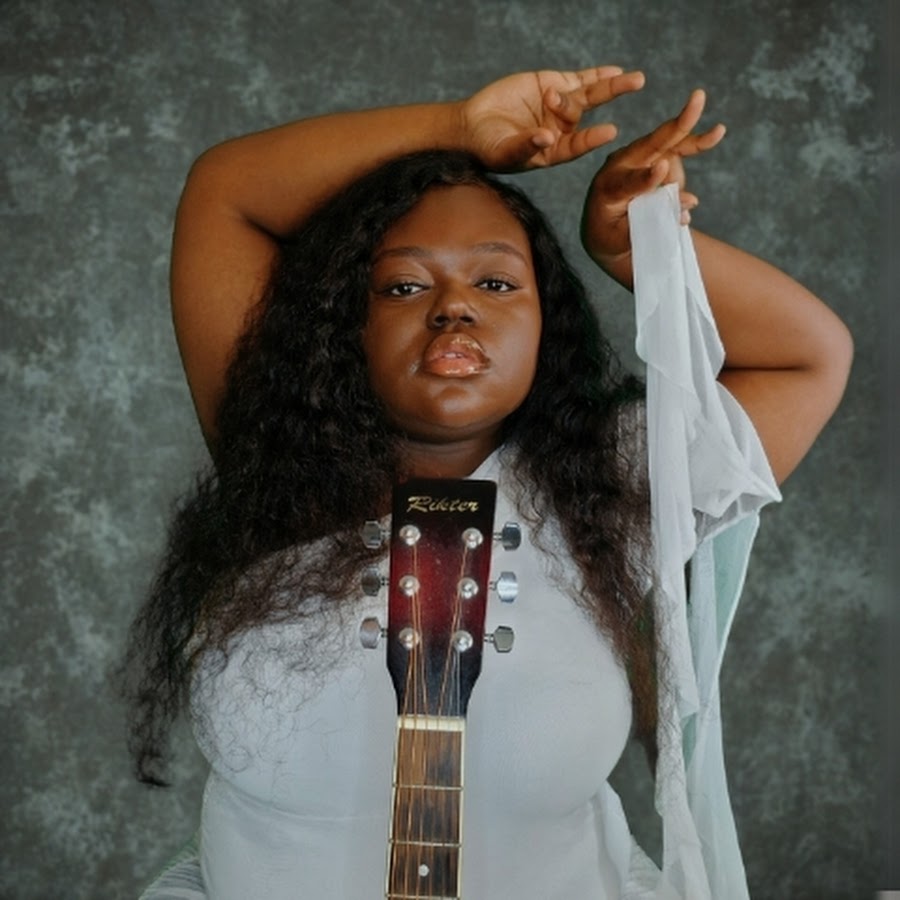
In her latest single, “Papel,” artist, songwriter, and producer Böitaari dives into a sonic exploration that defies both geographical and emotional boundaries. This groundbreaking sonic encounter merges the Caribbean groove of Bachata with the raw, street energy of Egyptian Shaabi, narrating the moment a sentimental script finally crumbles and reveals the “performance” that often underlies emotional relationships.
“Papel” transcends the song format to become a dissection of love as a staged performance. Under a melodramatic aesthetic, the work delves into emotional manipulation and the jealousy of “el galán” (the leading man) in his attempt to win back the protagonist. This narrative is articulated through a musical composition—collaborating with her sister, Beatriz—that shuns the conventional. This organic hybridization is a direct extension of Böitaari’s work as a producer and researcher dedicated to Afro-diasporic and Mediterranean sounds. The fusion isn’t an ornament; it is a technical language used to dissect the “paper script” of a failing relationship. By blending the drama of Bachata with the grit of Cairo’s urban sound, Böitaari creates a sophisticated, high-end production that transcends “world music” tropes—a danceable, raw anthem of detachment designed for the global dancefloor, backed by the authority of a leader in Global South musical documentation.
With a groundbreaking fusion of global sounds, Böitaari takes listeners on a sonic journey fueled by innovation and intense emotion. Her eclectic, vibrant, and sultry style is a masterclass in cultural storytelling, celebrating Bubi culture alongside Afro-Latin grooves, Caribbean rhythms, and Mediterranean melodies. As a multi-instrumentalist and producer, Böitaari’s versatility allows her to weave a unique narrative that is both technical and deeply raw. Each song becomes a high-end experience that forces you to feel the rhythm in your body and the multilingual depth of her lyrics in your heart.
This proposal positions Böitaari at the vanguard of alternative Afro-diasporic music, where genre hybridization does not act as an ornament, but as a technical and raw language used to narrate complex realities.

About Böitaari
BÖITAARI (Rebeca Ango Bueriberi) is an artist, songwriter, producer, and multi-instrumentalist born and raised in Madrid and based in England. Her name is not an artistic invention: it is her traditional name in the Bubi language, meaning “female leader.” With Equatorial Guinean heritage from her parents and roots extending to Cameroon, Sierra Leone, and Cuba, her work reclaims Africanidad and Black identity through the Spanish language, projecting an identity that claims its space in the global narrative without asking for permission.
Her journey in the arts began at age 7 as a child model in the “Miss Bisila 2004” show. At age 9, she undertook comprehensive training covering guitar, singing, painting, poetry, and theatre, in addition to studying the Bubi language, traditional Katyá dance, and urban dance. This multidisciplinary foundation led her to produce and sing professionally at age 12. This technical precocity now allows her to lead her career through her own label, Bilëbbó Fusión. Within this ecosystem, she also drives Böitaapedia, an archive dedicated to documenting the music of the Global South with a special emphasis on Africa and its diaspora. As Equatorial Guinea is the only Spanish-speaking country on the continent, this project was born to generate knowledge in Spanish and fill the information void that is often restricted to English, French, Portuguese, or Arabic.
Böitaari’s universe is built from the organic integration of Afro-diasporic, Latin, and Mediterranean traditions. Her productions articulate a unique language where avant-garde jazz and doo-wop coexist with kompa, bossa nova, or flamenco twinned with Bubi music; a sonic framework where merengue dialogues with soukouss, reggae with Maghrebi influences, and cumbia sonidera with kizomba, alongside occasional electronic experimentation. Singing in Spanish, English, Portuguese, French, and Bubi, her music compels the listener to sharpen their ear to distinguish the deep cultural layers inhabiting every piece.