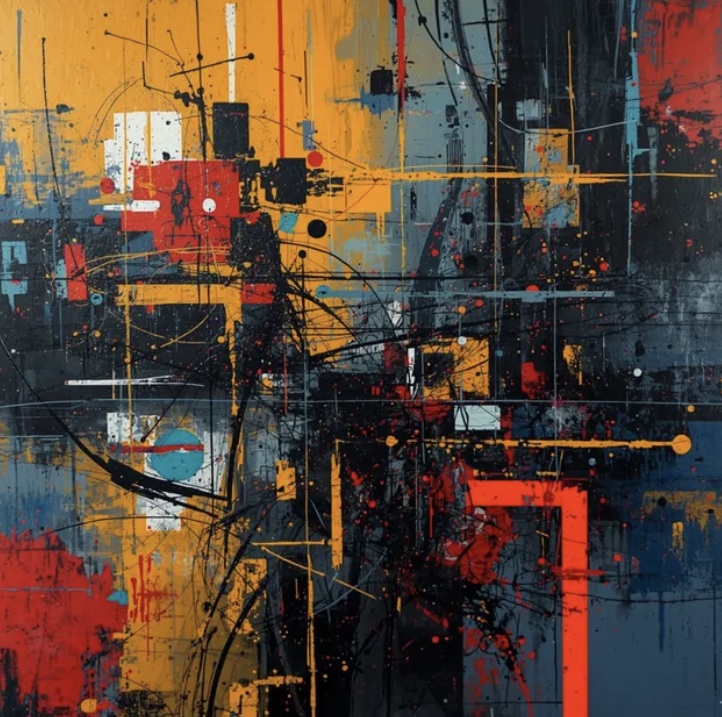


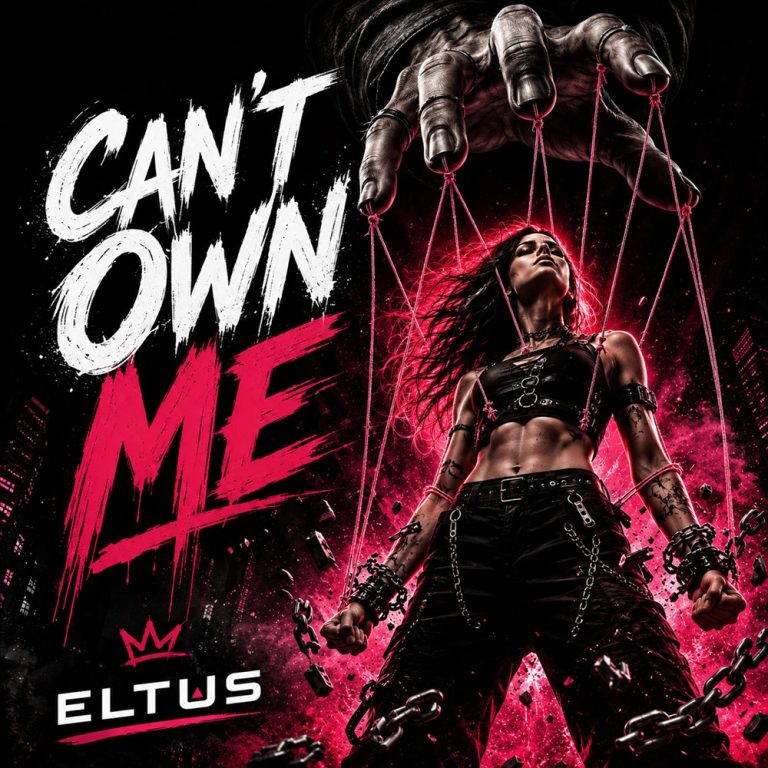
Following the festival-ready energy of previous releases, ELTUS returns with “CAN’T OWN ME,” a single that marks a confident step forward in his artistic vision. Rooted in House and Tech House, the release pairs infectious club energy with an empowering message, proving that dance music can be just as emotionally compelling as it is rhythmically engaging.
Opening with atmospheric synth textures and a gradual rise in intensity, the track quickly draws listeners into its immersive soundscape before Askella’s captivating vocal performance takes centre stage. Her delivery is absolutely expressive, carrying the song’s central theme of self-ownership with quiet conviction.
ELTUS strikes an effective balance between power and precision. Driving basslines, crisp percussion, and shimmering electronic textures create a polished, high-energy foundation, while subtle vocal effects and dynamic transitions keep the momentum flowing throughout. Every element feels carefully considered, resulting in a track that works equally well on a crowded dancefloor or through a pair of headphones.
Inspired by a real-life encounter during the producer’s travels, CAN’T OWN ME explores the refusal to live according to someone else’s expectations. Instead of framing empowerment through confrontation alone, the song celebrates the quieter strength found in protecting one’s identity and remaining true to oneself. That emotional sincerity gives the release a lasting impact beyond its infectious groove.
With “CAN’T OWN ME,” ELTUS continues to establish himself as an artist interested in creating more than functional club music. Supported by Askella’s compelling performance and a refined production style, the single successfully blends movement with meaning, offering listeners a dancefloor-ready anthem of empowerment. For those seeking electronic music with both energy and emotional substance, ELTUS’s “CAN’T OWN ME” is well worth the listen!