


Home Blog Page 25

Our Love Blooms in Bossa by Jon Gold

Jon Gold‘s biography reads like a novel someone made up. He grew up in the San Francisco Bay Area with a brother who managed Heart’s label, got dubbed “Little McCoy” by a Chronicle critic as a teenager, accidentally became the first person to melt a diamond as a Cornell PhD student, then abandoned science entirely to move to Rio de Janeiro on a Brazilian government fellowship – where he ended up working with A.C. Jobim and Hermeto Pascoal and performing on national television. His last album, “Bossa of Possibility,” received four and a half stars from Downbeat. “Our Love Blooms in Bossa”, released in May on Entropic Records, is his first composition with lyrics written in both English and Portuguese, and it features Brazilian vocalist Marina Marchi alongside guitarist Guilherme Hoss and drummer Bruno Tessele.

Gorgeous arpeggios that sound like flowers blooming in the springtime grab your attention as the song starts, letting you know – oh, these musicians know what they’re doing. Aside from those aforementioned vocal runs sounding absolutely brilliant, they are very rhythmically assuring, and they work as a foil to the syncopated bossa nova chords that might challenge listeners not familiar with the genre. Marina Marchi’s vocals are absolutely delightful, and they feel otherworldly with their precise blend of whimsy, musical virtuosity, and joy.

The lyrical theme is deliberately simple – a woman fully present in the joy of being in love, neither pulling toward the past nor the future – and that simplicity is the right call for music this texturally rich. Bossa nova has always carried that quality, the sense that the music itself is the emotional argument and the words are there to confirm it. Hoss’s guitar playing has the kind of relaxed authority that the genre demands, and Tessele’s drumming stays exactly where it should: felt more than heard. For anyone with even a passing interest in Brazilian jazz, this one is worth your time.

Afraid of Love No More by Mark Andrew Hansen

The origin story for this one is specific enough to be genuinely interesting. Hansen watched a documentary about Randy Newman, sat down at the piano immediately after, and had most of the song written within thirty minutes – the chromatic chord movements and diminished chords that define the track arriving almost fully formed. The result is a song he envisions as a number from a future musical, possibly animated: a protagonist alone on stage, having just met the girl of his dreams, singing through his terror of heartbreak while hope slowly wins out. That theatrical framing is not incidental to how the song works. It shapes every arrangement decision, from the balance of piano accompaniment against solo vocal to the playful exaggerations in the lyrics. “Afraid of Love No More” came out in May 2025, and it sits comfortably alongside Hansen’s broader catalog as another demonstration of a songwriter who takes harmonic craft seriously.

This time, Mark Andrew Hansen is showing his vulnerable side with a very 70s-inspired piano ballad. The harmonic choices here are reminiscent of classic songwriters like Freddie Mercury or Elton John – that same willingness to move through unexpected chord colours that keep the ear slightly off-balance in the best possible way, where each resolution feels both surprising and inevitable. The chromatic movement Hansen absorbed from Newman gives the song a sophistication that most contemporary pop doesn’t bother with, and the diminished chords add a theatrical tension that suits the protagonist’s emotional state perfectly. What makes it work at a human level, though, is that none of that harmonic complexity calls attention to itself – it’s all in service of the story.

Hansen recorded this at his home studio with no compression or auto-tune, which is consistent with the uncompromising production philosophy that runs through everything he makes. With over 100 million streams across Spotify and YouTube and a catalog that spans neo-classical piano to jazz to kids’ music, he operates as a genuinely self-contained artist. “Afraid of Love No More” is one of the more emotionally exposed things in that catalog – Broadway by design, confessional by instinct.

AN AMBIENT ODYSSEY OF LIGHT, SHADOW, AND REFLECTION..

0

With “The Process Of Individuation,” Mighty Joe Belson transforms a philosophical concept into a deeply immersive listening experience. Inspired by Carl Jung’s idea of individuation, the journey toward integrating the conscious and unconscious self, the piece unfolds like a quiet exploration of the mind, inviting listeners into a space of reflection, curiosity, and emotional discovery.

Built around a simple piano progression, the composition embraces minimalism without ever feeling empty. Instead, the spacious arrangement becomes one of its greatest strengths. Each note is given room to resonate, creating an atmosphere that feels suspended between wakefulness and dreaming. The result is a soundscape that encourages listeners to slow down and become fully present.

As the piece develops, subtle melodic layers begin to emerge, gradually expanding the emotional landscape. What starts as a serene and meditative experience slowly grows more complex as harmonies intertwine and moments of gentle dissonance appear. This gradual evolution mirrors the process of introspection itself, where clarity and uncertainty often coexist. The music never rushes; it unfolds patiently, allowing each shift in mood to reveal itself naturally.

There is a distinctly cinematic quality running through the composition, enhanced by ambient textures that hover quietly beneath the piano. Light and shadow move together throughout the piece, creating a delicate balance between comfort and tension. At times, the music feels almost transcendental, while at others it carries the weight of deep contemplation.

Without relying on lyrics, Belson crafts a narrative that remains personal yet universal, leaving space for listeners to bring their own memories and interpretations into the experience. As the arrangement swells and eventually returns to its opening theme, it suggests a simple but powerful realization: sometimes the answers we seek have been there from the very beginning.

Elegant, introspective, and quietly moving, “The Process Of Individuation” showcases Mighty Joe Belson‘s gift for storytelling through sound alone, offering a rewarding journey for anyone willing to listen closely..

The Lisa Song by ReeToxa

0

ReeToxA’s “The Lisa Song” arrives wrapped in nostalgia, yet it never feels trapped by the past. Fronted by Melbourne songwriter Jason McKee, the track turns a brief encounter into something much larger, transforming memory into movement and inspiration into music. “The Lisa Song” opens with a warmth that immediately draws the listener in, carrying a gentle familiarity before unfolding into its indie-rock heart.

Blending ‘90s alternative rock, rock-pop, and indie textures, the song balances softness with emotional urgency. The piano lines shimmer quietly while guitars add depth without overpowering the story. Rather than relying on heavy production, ReeToxA lets sincerity lead the way, allowing the narrative to remain at the centre.

And the story itself is what gives the track its emotional weight. Inspired by a real encounter at a Spiderbait concert, “The Lisa Song” captures the electricity of an unexpected connection. Through Jason’s imagery, listeners meet Lisa almost as if stepping into a scene from an independent film. The lyric “you looked like the sun” becomes the emotional anchor of the track, simple yet striking enough to hold an entire memory inside it.

Jason chooses honesty over perfection, and that works entirely in the song’s favour. His delivery feels conversational and personal, carrying the vulnerability of someone revisiting a moment that quietly changed everything.

What makes “The Lisa Song” especially compelling is that it is not really about romance alone. It is about possibility, unfinished stories, and the people who unknowingly alter our direction. ReeToxA transforms that fleeting moment into something lasting, proving that sometimes the smallest encounters become the beginning of entirely new journeys..

INDUSTRIAL BEATS WITH A DANCEFLOOR HEART!

0

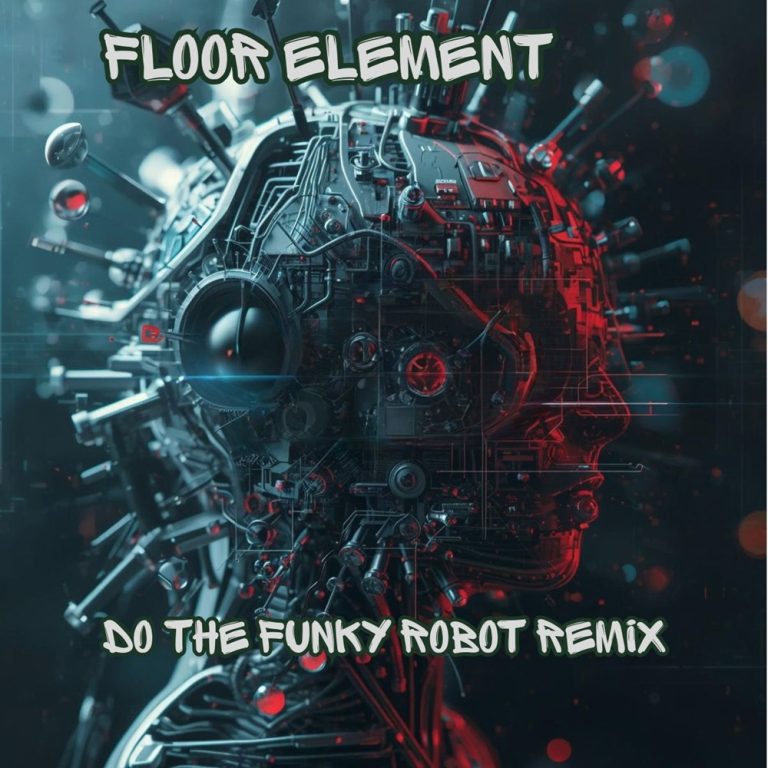
Restlessness! That’s the keyword to Floor Element’s latest release, “Do the Funky Robot – Remix!” The London-based producer dives head on into the industrial electronic territory with a track that eases you into a warehouse rave, workout soundtrack, and a futuristic experimental feel. This lead single from his upcoming 8 Elements album, offers an intriguing glimpse into a sound built on noise, repetition, and restless movement!

There is an unmistakable sense of momentum running throughout the release. You get distorted synths colliding with pounding rhythms, with AI-assisted textures adding an extra layer of unpredictability to the mix. The production is indeed dense and can even feel a little bit claustrophobic at times, yet that tension becomes part of the track’s undeniable appeal. The artist doesn’t necessarily dwell on the past; he is rather drawing inspiration from the raw spirit of early East-London warehouse culture and reshapes it into something more mechanical and forward-looking. 

The vocal approach also adds a distinct character to the release. Lines like “Wave, Work, Lock, Pop, and Reset” and the recurring “To the funky robot wave work…” feel like rhythmic cues, very intriguing and almost hypnotizing. Their repetitive nature throughout the release mirrors the precision of a machine, creating this unshakable, hypnotizing feel. Cleverly, the commands become part of the groove itself. 

There is also an evident contrast between the track’s abrasive surface and its undeniable dancefloor pull. Beneath the industrial textures and experimental sound design lies an unstoppable beat, always moving, and continuously pushing the track forward. 

With “Do the Funky Robot – Remix,” Floor Element manages to celverly blends warehouse energy, modern technology, as well as mechanical funk into a high-octane electronic experience; one that remains surprisingly accessible despite its adventurous edge!

Fishburn Releases Christian Contemporary Single “The Flame”

0

Emerging Christian contemporary artist Fishburn (Russ Harris) officially launches the next chapter of his musical journey with the heartfelt new single “The Flame”.

Blending modern electronic pop production with emotionally honest storytelling, “The Flame” explores the powerful journey of faith, spiritual distance, redemption, and the deep longing to reconnect with the presence of Jesus after drifting away. Featuring captivating vocals from Caroline Brooks, the track combines atmospheric synths, uplifting melodies, and an inspiring message that resonates with listeners seeking hope and renewal.

“The Flame” marks the debut release from Fishburn’s ambitious BUKRA project, a yearlong musical campaign that will include original songs, select covers, dance remixes, and acoustic reinterpretations. Designed to maintain engagement and introduce audiences to his distinctive crossover sound, the project merges contemporary Christian themes with fresh electronic pop production.

“‘The Flame’ captures that emotional realization of what life feels like with Christ present, contrasted against the emptiness that follows when that connection fades,” says Fishburn. “It’s a song about returning to the light.”

With its reflective lyrics, cinematic atmosphere, and uplifting energy, “The Flame” positions Fishburn as a compelling new voice in the growing Christian crossover space, appealing to both faith-based audiences and mainstream listeners drawn to emotionally driven electronic pop.

“The Flame” is available now on all major streaming platforms.

About Fishburn

Fishburn is the Christian artist project of Chicago-based producer, songwriter, and creative Russ Harris. With decades of experience in DJing and dance music production (including previous Billboard Dance Chart success), Harris shifted his focus in 2020 toward creating faith-centered music. Through emotionally honest songwriting and modern production, Fishburn crafts uplifting songs that explore themes of redemption, hope, identity, and spiritual renewal. The BUKRA project represents his most expansive work to date, blending contemporary Christian music with electronic pop influences.


Allegra Releases Uplifting New Video for “Waterfall”

0

Rising pop star Allegra continues her sultry new era with the release of the official music video for “Waterfall”, a breezy and uplifting track from her second EP, ‘Red’, out now via Radikal Records.

“Waterfall” brings a refreshing, feel-good energy to the five-track EP, standing alongside the shadowy allure of “Ash,” the tender ballad “Love Me A Little,” and the sensual club grooves of “Slow Dance.” With its glossy production and empowering vibe, the song perfectly captures Allegra’s evolution into a more confident, mature artist while maintaining her signature emotive pop sound.

Following the chart-topping success of “Wildfire” and the deeply personal debut EP Unsent Love Letters Vol. 1, ‘Red’ marks Allegra’s boldest and most refined body of work to date. The project showcases her versatility as she transitions from teenage breakthrough hits to a more sophisticated, self-assured sound.

Heralded as one of the UK’s most exciting emerging talents, Allegra has amassed an impressive list of achievements, including multiple Top 3 hits on the Music Week Commercial Pop Chart, a #1 with the Tiësto remix of “Round & Round,” and a major dance anthem with DJ Alok on “Love You Right Back.” Her music has garnered millions of streams, strong radio support, and features in major publications such as OK! Magazine, Wonderland, and Notion.

With soaring vocals, infectious energy, and a visual aesthetic that matches her artistic growth, the “Waterfall” video further cements Allegra’s reputation as a complete artist, one who excels both sonically and visually.

“Waterfall” and the full EP ‘Red’ are available now on all major streaming platforms.

About Allegra

Allegra is a London-based pop artist known for her powerful vocals, empowering messages, and genre-blending sound that fuses emotive pop with dancefloor energy. With multiple chart hits, international collaborations, and a rapidly growing fanbase, she continues to establish herself as one of the UK’s most promising rising stars.

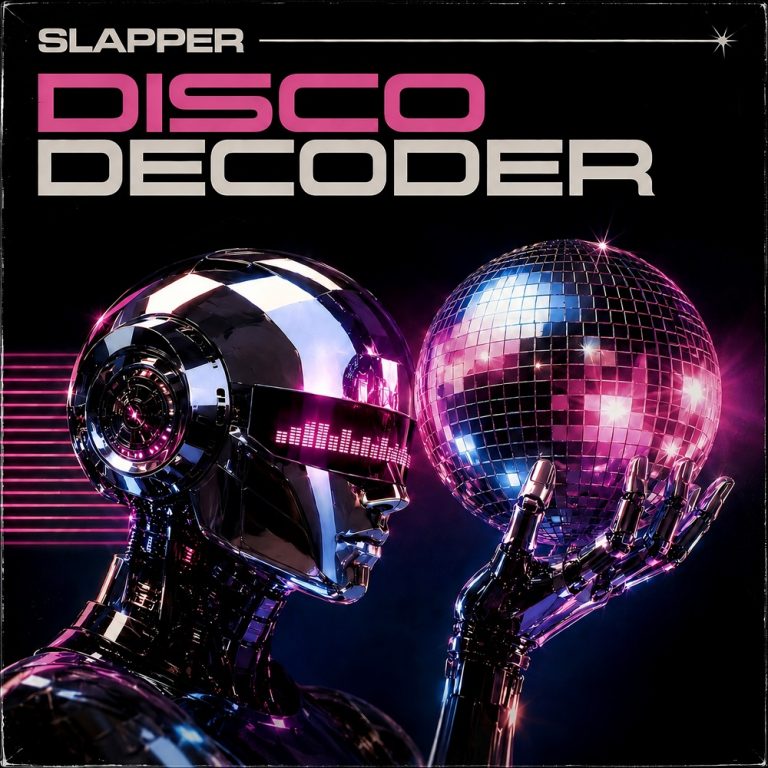
Disco Decoder by SLAPPER

The reference points SLAPPER name-drops for “Disco Decoder” are not modest ones – Giorgio Moroder, Kraftwerk, Jean-Michel Jarre, Vangelis, Juan Atkins, Frankie Knuckles. That’s basically the entire founding pantheon of electronic music packed into one press kit. Whether any given track can live up to that lineage is always the question, but it at least tells you where the Bucharest-based project’s head is at. “Disco Decoder” came out on May 22nd, and it’s the latest in a string of singles following SLAPPER‘s album “Hope” – all of them orbiting the same retro-futurist territory that has become the project’s calling card.

The drum machines are punchy and upfront, the synth textures sit in that familiar shimmer zone between synthwave and classic electro-house, and the whole thing has a clean, chrome-bright quality that fits the aesthetic. The Moroder influence is the most audible one – there’s a mechanical forward momentum to the groove that owes more to “I Feel Love” than to anything made in the last decade. The Kraftwerk nods are subtler, mostly in the robotic precision of the arrangement rather than any direct melodic borrowing. Where “Disco Decoder” earns its keep is in the energy management – it builds without overcomplicating things, which is the right call for a track in this mold. What it doesn’t do is push far beyond its influences. This is a well-executed homage more than a reinvention, and for listeners who want that late-night neon dancefloor feeling without too many surprises, that’s probably enough.

For a one-person independent project out of Bucharest, “Disco Decoder” is a solid entry in a consistent catalog. The official video – which imagines robots trying to understand human dance culture – fits the track’s concept neatly and is worth a watch on YouTube if the aesthetic lands for you. SLAPPER has clearly found a lane and knows how to work it, and there’s something to be said for that kind of focus.

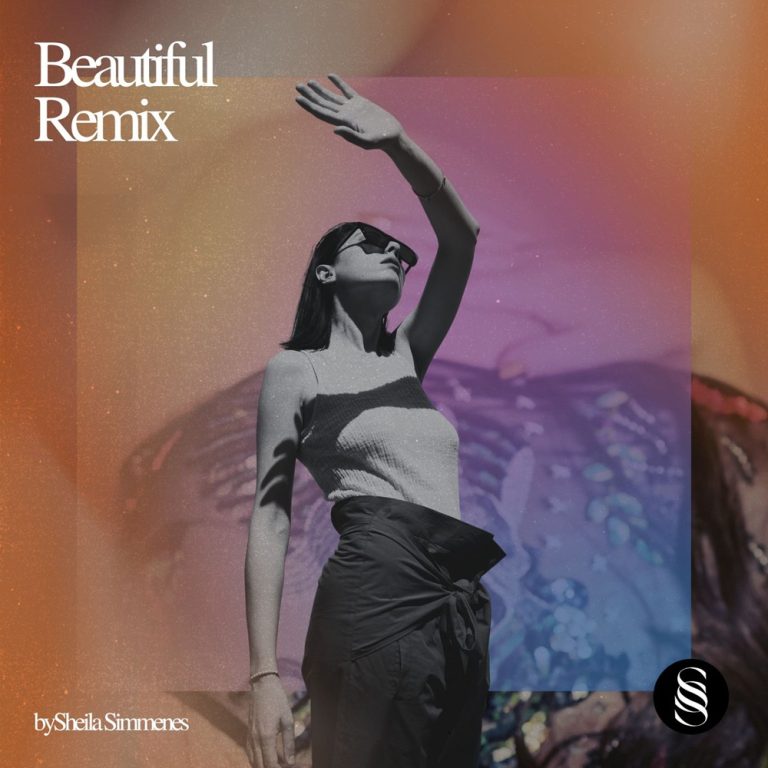
Beautiful – Eloah Blú Remix by Sheila Simmenes

There’s a specific kind of creative restlessness that makes an artist go back and take apart their own work. Sheila Simmenes released her debut album “Love Was Easy” back in 2021 as a songwriter and jazz vocalist, and apparently, that wasn’t the end of the story. Working under her producer alias Eloah Blú, she’s been spending 2024 remixing the whole thing – pulling the songs apart and rebuilding them around rhythms and textures from further afield. “Beautiful – Eloah Blú Remix” is one of those reworkings, and it dropped on May 29th. Simmenes is based between Norway and Brazil, and you can hear both in this track – Nordic cool running underneath Brazilian heat, with trumpet textures and live-feeling percussion threading through the electronic production.

While the song is indeed club-oriented, at heart it’s more of a fusion than generic EDM, with jazz-influenced harmony and Brazilian rhythmic motifs throughout. It’s always more interesting, in my opinion, when someone with a great deal of musical knowledge, like Sheila, does a dance song, because it always has more depth beneath the surface of danceable rhythms and melodic hooks.

The remix project as a whole is worth keeping an eye on. Taking a body of work you wrote as a vocalist and reimagining it through your own production lens is a legitimate artistic choice, and “Beautiful” makes a decent case for why it was worth doing. It’s also a reminder that the dual identity – Sheila Simmenes the songwriter and Eloah Blú the producer – isn’t just a branding exercise. The two sides are actually in conversation here, with the production choices responding to the original material rather than just dressing it up. The jazz instincts are still there underneath the beats, and that’s not something you can fake. If the rest of the remix series holds to the same standard, the full run should be worth revisiting as a body of work.


T Staggs Announces New Album Southern Soul Era, Vol 2 – OUT NOW!

0

SPARTANBURG, SC — Spartanburg-born R&B and soul artist T Staggs announces the release of his new album, Southern Soul Era, Vol 2, out now on all digital platforms. Produced by Days on 85 and T Staggs, it is a record that moves — between gospel warmth and sensual slow burns, between raucous James Brown energy and profound meditations on sending love to people who would rather see you fall. In a world at war with itself, T Staggs has made an album about feeling good. That is not a small thing. That is the whole point.

“The goal from the start with this album was to create relatable content,” he says, “and I think I nailed it.”

He did.

Southern Soul Era, Vol 2 opens with “Fight For You” — instantly classic-sounding, smooth, relentless, and head over heels in love. It has everything an addictive R&B song is supposed to have: a melody that hooks you before the first verse is finished, a feeling of complete emotional surrender, and lyrics that speak directly to anyone who has ever needed someone so badly they would do anything for them. It is the kind of song that sounds like it has always existed.

“Hey Hater” shifts the temperature entirely. Downtempo, organ-driven, and steeped in gospel vibration, it is one of the most profound tracks on the album — a meditation on sending love, grace, and light even to those who wish to tear you down. That kind of radical positivity is not naive. Coming from T Staggs, it is hard-earned.

“Step With Me” dials up the sensuality — a lovers’ jam built for dimmed lights and slow movement, full of the kind of heat that never overstates itself.

“That Feeling” throws the tempo into overdrive, landing squarely in raucous James Brown territory — joyful, physical, and impossible to sit still to. Fans of Bobby Womack, Al Green, Luther Vandross, and Curtis Mayfield will find themselves right at home across the album’s eight tracks, which serve as nothing less than a celebration of life and self-love from an artist who has earned both.

T Staggs was born and raised in Spartanburg, South Carolina, and from early childhood the church was where his voice found its first home. The spirit and positivity that flow through Southern Soul Era, Vol 2 are not affectations — they are the direct inheritance of a life built in community, in faith, and in the belief that music is meant to lift people up.

As a young adult he became known as The Wedding Singer — a title that says everything about the role his voice has always played in people’s most important moments. He married his wife Desiree in 2002 and has four children and two grandchildren. His number one fan is his two-year-old granddaughter, who already knows and sings every one of his songs. That image — a two-year-old singing along to her grandfather’s album — is as good a description of what T Staggs is reaching for as anything else.

He lives by one phrase: “I aspire to inspire.” It is not a slogan. It is a daily practice.

Humility and self-belief run as constants through Southern Soul Era, Vol 2 — alongside the swagger, the groove, and the infectious, generous spirit of an artist who simply wants to make people feel good for as long as he possibly can.