


Home Blog Page 26

See Your Shadow’s ‘Another Saturday’ Finds Quiet Drama in Emotional Survival

0

In an era when much of mainstream country music favors broad gestures and polished slogans, See Your Shadow’s “Another Saturday” succeeds by doing something far less common: observing human vulnerability with patience, compassion, and restraint.

Written and produced by Michael Coleman, the single unfolds like a carefully framed character study. Rather than relying on dramatic hooks or exaggerated emotional cues, the song draws listeners inward through detail and atmosphere, telling the story of a woman navigating the repetitive cycles of loneliness, regret, and uncertain self-worth.

It’s a familiar subject in country music, but “Another Saturday” approaches it with an unusual degree of emotional intelligence.

The opening verse immediately establishes the song’s mood: a woman wakes beside a stranger, emotionally disconnected and still searching for something she cannot quite name. Coleman’s lyric never sensationalizes her situation or reduces her to stereotype. Instead, he sketches her life in fragments—quiet moments filled with exhaustion, faded memories, and unresolved longing.

That subtlety becomes one of the song’s greatest strengths.

The chorus contains the line, “Right now she’s not anybody’s girl / Though she used to be someone’s wife,” and it captures the emotional center of the song with remarkable efficiency. In just a few words, Coleman conveys not only heartbreak, but also the loss of identity that often follows major emotional upheaval. The lyric feels conversational and natural, yet layered with implication.

Musically, “Another Saturday” complements its storytelling with understated production choices that allow the narrative room to breathe. The arrangement is contemporary without sounding overworked. Gentle instrumental textures create an atmosphere of late-night introspection, while the restrained vocal performance avoids unnecessary theatrics.

That restraint matters.

Too often, songs about heartbreak attempt to manufacture emotional weight through vocal excess or oversized production. Here, the emotional impact comes from observation rather than manipulation. The song trusts listeners to recognize themselves in its details.

The second verse is particularly effective in this regard. The image of stepping out of the shower while “regrets washed down the drain” offers a simple but evocative metaphor for temporary relief and lingering emotional residue. It’s the kind of visual writing that reveals Coleman’s instincts as both songwriter and storyteller.

There’s also a cinematic quality to the structure of the song. Scenes unfold gradually, almost like moments from an independent film—small gestures carrying emotional significance beyond what is spoken aloud. Listeners are not merely told how the protagonist feels; they are invited to inhabit the atmosphere surrounding her.

That emotional openness helps explain why See Your Shadow has developed such a devoted following. The project, already recognized with multiple industry awards and a string of chart-topping singles, consistently emphasizes songwriting depth over trend-chasing. “Another Saturday” continues that artistic philosophy while perhaps representing one of the group’s most introspective releases to date.

Importantly, the song refuses to offer easy resolutions.

There is no dramatic breakthrough waiting in the final chorus, no tidy redemption arc designed to reassure the audience. Instead, the protagonist remains suspended in uncertainty, continuing to search for stability while carrying the emotional scars of the past. That ambiguity gives the song its authenticity. Real life, the lyric quietly suggests, rarely resolves itself in three convenient minutes.

And yet “Another Saturday” is not hopeless.

Beneath its melancholy lies empathy — a recognition that wounded people often continue moving forward even when they feel emotionally lost. The song does not judge its protagonist. It simply observes her humanity with understanding and care.

In doing so, See Your Shadow accomplishes something increasingly rare in contemporary country music: creating a song that values emotional nuance as much as melody.

“Another Saturday” may not shout for attention, but its quiet honesty lingers long after the final note fades.

–Michael B.
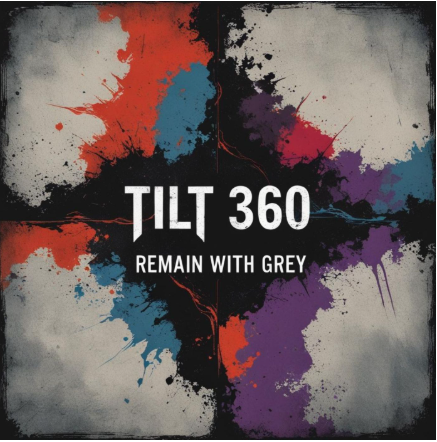
 

TiLT 360 Returns with Powerful New Single “Remain With Grey” A Heavy, Melodic Exploration of Addiction and Survival

0

Alternative metal/grunge band TiLT 360 continues their powerful comeback with the release of the emotionally charged new single “Remain With Grey”.

A heavy yet melodic track, “Remain With Grey” dives deep into the haunting grey world of addiction — the struggle to survive as the vibrant colors of life slowly fade. With raw intensity, soaring melodies, and crushing riffs, the song captures the band’s signature sound: unfiltered emotion, atmospheric depth, and relentless honesty.

“Remain With Grey” is the latest chapter in TiLT 360’s 2025–2026 catalog revival, as the band remasters and re-releases their entire original body of work (originally active from 1999–2010). The single showcases their evolution from early nu-metal influences into a refined alternative metal style, drawing comparisons to Deftones, Chevelle, Alice in Chains, and Tool, while staying true to their gritty Youngstown roots.

Formed in the heart of a city known for its resilience, TiLT 360 built a loyal following through explosive live shows and emotionally charged songs. Fronted by vocalist Billy Smaltz, who fearlessly confronts personal battles with addiction, the band delivers music that is both cathartic and confrontational. The current lineup features Billy Smaltz on vocals, Jason Miller on guitar, Drew Salzano on bass, and Heather Jurina on drums.

Notable past highlights include their track “Point Blank” being featured in boxing champion Kelly Pavlik’s knockout highlight reel.

“Remain With Grey” is available now on all major streaming platforms as part of TiLT 360’s ongoing catalog reissue campaign.

About TiLT 360

TiLT 360 is an alternative metal/grunge band from Youngstown, Ohio. Originally active from 1999 to 2010, the band is known for their high-energy live performances and deeply personal songwriting. After a hiatus, they have returned with renewed purpose, remastering their catalog and delivering new music that blends heaviness, melody, and raw emotional truth.

A JOURNEY THROUGH FAITH, LOSS, AND REDEMPTION!

0

Fishburn’s “The Flame” arrives as a reflective blend of Christian contemporary and electronic pop, exploring the emotional landscape of spiritual distance and the longing to reconnect with faith. Serving as the opening release from the upcoming BUKRA project, the track introduces a sound that combines modern production with heartfelt storytelling. Featuring vocals by Caroline Brooks and written and produced by Russ Harris, “The Flame” leans into vulnerability rather than certainty.

The song captures the experience of feeling disconnected from a once-familiar spiritual presence. From the opening lines, “I’m in the dark without You” and “You are my light and I miss You,” the listener is immediately placed inside a narrative shaped by absence and yearning. Instead of offering instant redemption, the song remains within that emotional tension, allowing the struggle itself to become part of the story.

Much of the song’s emotional pull unfolds through its chorus. “Where’s the Flame / Where’s the light?” repeats like both a question and a prayer, while “I don’t wanna breathe without You” intensifies the feeling of loss. There is sincerity in the simplicity, giving the lyrics room to resonate.

Imagery also plays an important role throughout the song. The lines “I’m on a raft without You” and “You’re my lighthouse” introduce a visual dimension that mirrors spiritual drifting and the search for guidance. Later moments, such as “Please stop the darkness / All day it feels like night,” further strengthen the atmosphere of longing.

Fishburn pairs atmospheric electronic textures with a gentle contemporary pop structure, leaving space for the vocals to carry the emotional weight of the piece.

As the first step into the BUKRA era, Fishburn’s “The Flame” offers a heartfelt reflection on faith, redemption, and the hope of rediscovering the light after it seems lost..


FLOATING BETWEEN MAYBE AND MORE

0

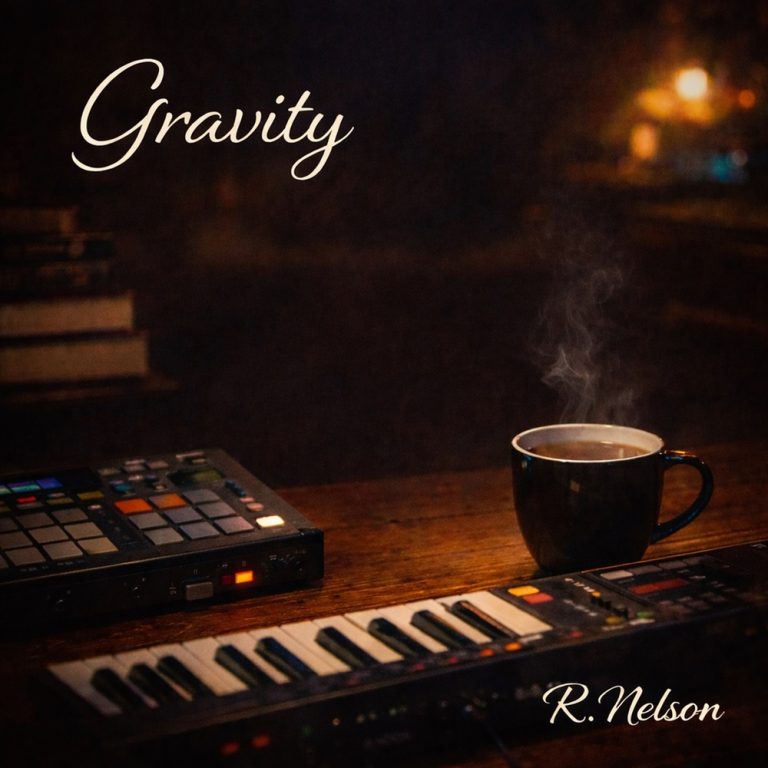
“Gravity” by R.Nelson is a song about emotional pull; the kind that arrives quietly, settles into routine, and slowly changes the shape of ordinary moments. Through reflective songwriting and atmospheric R&B production, the track explores attraction not through grand declarations, but through lingering glances, unspoken tension, and the uncertainty of what happens when feelings appear where they were never expected.

Gravity tells a surprisingly grounded story. Workplace hallways, morning greetings, routine check-ins, and everyday interactions become the backdrop for something deeper. Lines such as “Same old routine, same elevator / Then you walked in, now my days move stranger” immediately establish that shift from familiarity into emotional disruption.

What makes the writing effective is its restraint. The narrator repeatedly reminds himself to stay composed through lines like “I keep it professional, keep it light” and “I keep it cool, keep it classy,” yet the emotional tension quietly keeps building beneath the surface. The conflict is never external; it lives entirely in hesitation, self-awareness, and the effort of trying not to feel more than intended.

The emotional core becomes especially clear in the recurring refrain “It ain’t just a vibe, it’s gravity / Something about you keep pulling me.” Attraction here is framed less as excitement and more as force; persistent, subtle, and impossible to ignore. The title itself becomes the emotional centre of the track.

The artist supports that narrative with smooth contemporary R&B textures and a late-night atmosphere that never overwhelms the lyrics. The production leaves room for pauses, allowing the storytelling to breathe while preserving the intimate tone running throughout the song.

Perhaps the strongest moment arrives during the bridge when certainty gives way to doubt: “Maybe you just kind and I’m misreading signs / Making something bigger in my own little mind.” It is a vulnerable admission and one that gives Gravity much of its emotional authenticity. The song understands that attraction is not always dramatic; sometimes it lives inside overthinking, unanswered questions, and feelings that remain carefully contained.

With “Gravity,” R.Nelson turns quiet emotional tension into narrative, creating a track that feels intimate, reflective, and deeply human. Like the title suggests, Gravity keeps its hold not through volume, but through the soft weight of everything left unsaid, still floating between maybe and more.

BUILT FOR MOVEMENT, DRIVEN BY EMOTION!

0

Imagine neon lights flickering across rain-soaked streets, basslines echoing from distant speakers, and a city still awake long after midnight. That is the atmosphere CajunBeatz creates in “Keep Me Right,” a track that feels like movement before it even fully begins. As the lead single from the upcoming #OffCutz EP, “Keep Me Right” steps into UK garage territory with confidence, carrying echoes of the noughties while refreshing them with a brighter, more contemporary pulse.

At the heart of the track lies rhythm in constant motion. Elastic basslines bounce beneath crisp two-step percussion, while airy electronic textures drift across the production like flashes of light cutting through the dark. The result feels effortless:  energetic enough for crowded dancefloors, yet spacious enough to let every detail breathe.

What truly gives the track its glow, however, is the emotion tucked beneath the club energy. The lines: “If you keep me right I swear, I’ll give it up to you. If you keep me right I swear, I’ll make your dreams come true!” bring warmth into the mix, turning the song into more than a nostalgic dance revival. There is sincerity here, a sense of devotion wrapped inside bass-driven momentum, allowing vulnerability to sit comfortably beside movement.

Another compelling layer emerges through CajunBeatz’s artistic versatility. After exploring heavier electronic sounds and drum and bass territories, this move into UK garage feels natural rather than unexpected. He understands the genre’s language while still leaving room for his own production identity.

“Keep Me Right” leaves behind more than infectious grooves. With this release, CajunBeatz captures the spirit of classic UK garage while giving it fresh air, creating a track that feels nostalgic, vibrant, and unmistakably alive!

BETWEEN SUNSET AND SHOWTIME!

0

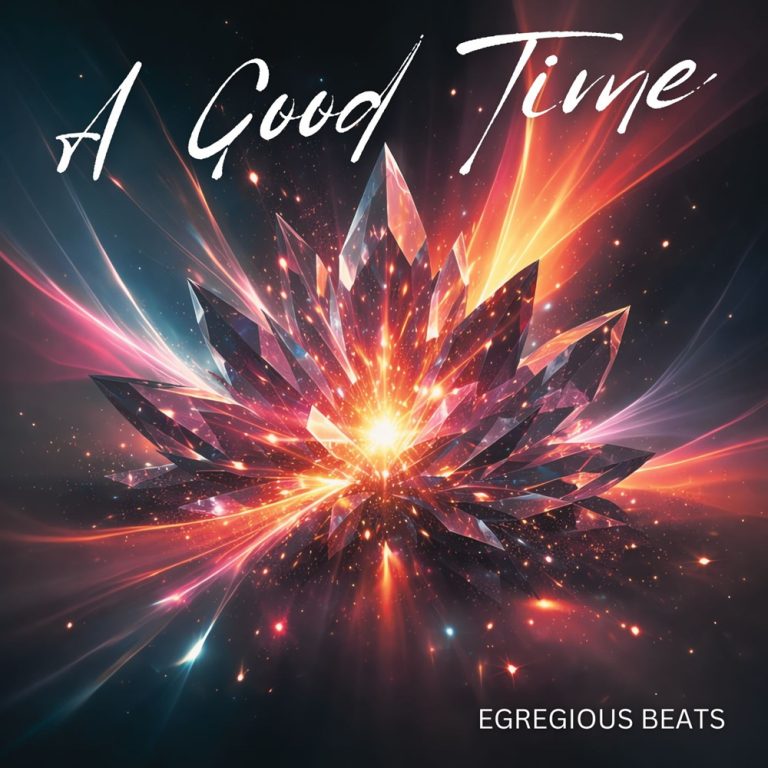
The best summer tracks rarely begin on the dance floor. They begin earlier: in the car ride, outside the venue, in the anticipation before the night fully unfolds. A Good Time, the new EP from Egregious Beats, captures that exact energy, building a melodic house landscape filled with motion, light, and quiet excitement. Led by Canadian producer Trevor Ouellette, Egregious Beats continues to shape a sound that moves between melodic house, progressive textures, trance influences, and deep house warmth.

At the center of the EP sits its title track, carrying a steady pulse built on driving rhythms, warm low-end textures, and shimmering synth layers that gradually open the soundscape. There is movement throughout, yet the production never feels overcrowded. Instead, it leaves room for atmosphere, allowing the energy to rise naturally rather than forcing it.

The vocal becomes one of the release’s defining elements. Smooth and almost hypnotic in delivery, it slips into the arrangement with lines such as “When the sun goes down and the lights go out” and “The curtains rise and it’s showtime, show me a good time.” These lyrics work less as narrative and more as emotional cues, capturing the excitement of stepping into the night. Even “Lost in my head, can’t find a way to change it” introduces a quieter moment beneath the uplifting surface.

The inclusion of the extended version gives the EP additional breathing room, allowing its atmosphere to unfold more fully and emphasizing its immersive quality.

With A Good Time, Egregious Beats does not rely on complexity to make an impact. Instead, the EP works through atmosphere, rhythm, and repetition, allowing the melodies and vocal hooks to carry the experience. A Good Time ultimately lands as an uplifting, summer-ready release built for movement and after-dark escape!

Hard Times by The Beatroot Road

“Hard Times (Come Again No More)” was written by Stephen Foster in 1854 as a direct response to the damage 19th-century industrial capitalism was doing to the poor, compounded by a recent cholera pandemic. The Beatroot Road‘s decision to revisit it in 2026 requires no explanation. The band – anchored by Vancouver-based multi-instrumentalist Mark Russell and fiddle player Hazel Fairbairn – have built their entire project around global collaboration and post-genre experimentation, and this latest release is a remix of vocalist Deborah Holland’s version layered with South African choir vocals from KJ Voice (Kayla, Mide, Moses, and Timi), Mark’s bodhrán, congas, percussion and bass, and Hazel’s effected fiddles. The video features kinetic collage art from Senara Studios in Java. This is what The Beatroot Road does: assemble a world.

Soulful is the word here. It reminds me of simple reggae songs about freedom and humanity and caring for one another – our greatest strength – and standing up against oppression and injustice. There’s a directness to it that a lot of socially conscious music loses when it gets too clever about its own message. This one doesn’t overcomplicate. The melody is familiar enough to feel like something you’ve always known, and the production builds around it with warmth rather than weight, which ends up being the more emotionally effective choice. It hits harder for being gentle about it.

The South African choir element is the production choice that lifts the whole thing. Foster’s original was already a communal lament, and placing it within a choral tradition that carries its own deep history of collective suffering and resilience lends the song new weight without distorting what it always was. This is The Beatroot Road‘s first release since their critically acclaimed album “Humanimal”, and it arrives with the same instinct that made that record work: find the human thread that runs across cultures, and pull on it.

Lost In The Jungle by Milyam

Los Angeles-based independent artist Milyam (pronounced “me-lee-AHM”) operates under her own label, MILYAM EMPIRE, and has been building a catalog at the intersection of atmospheric alt-pop and cinematic production. Her latest single, “Intimacy,” is currently in rotation on Amazing Radio in both the UK and the USA, and “Lost In The Jungle,” released in February 2024, remains one of the stronger entries in her discography, the kind of track that rewards revisiting.

The lyrics move through a series of vivid, disconnected images – moonlit landscapes, burning bridges, coastal roads, oceanic depths – and rather than connecting them with narrative logic, Milyam lets them accumulate atmospherically. It’s a collage approach, and it works because the production treats each image like a scene change rather than a verse, so it has a kind of cinematic approach, but what holds it together is the vocal performance: controlled, textured, and sitting in the mix with enough presence to guide you through the imagery without over-explaining it.

The shadow-and-light quality in the production is the song’s real achievement. There’s a minimalism at work here that creates space rather than emptiness, which is harder to pull off than it sounds. A lot of atmospheric pop mistakes are sparse for cold, but “Lost In The Jungle” stays warm even at its most abstract. For an independent release with no major label infrastructure behind it, the production standard is genuinely impressive, and Milyam‘s instinct for mood over mechanics is what separates this from the crowded field of cinematic alt-pop releases competing for the same playlists.

A MIDNIGHT ESCAPE INTO IDENTITY!

0

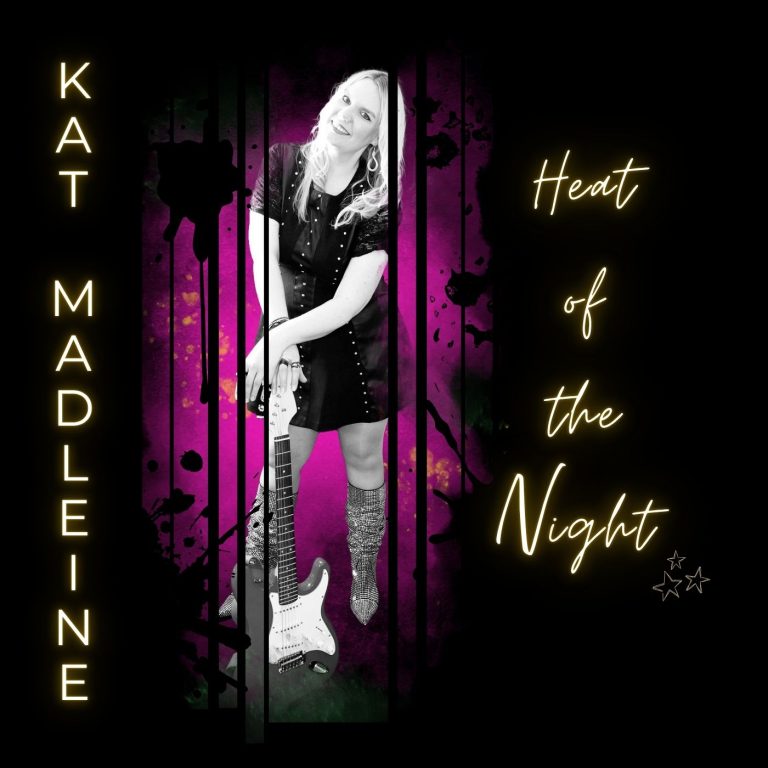
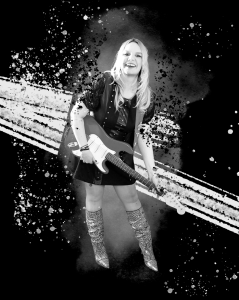
Sometimes the loudest battles are the ones no one sees. The endless notifications, expectations, obligations, and the quiet feeling of drifting away from yourself beneath it all. With Heat of the Night, Kat Madleine turns that experience into a rock anthem of rediscovery, wrapping introspection in soaring guitars and a distinctly 90s spirit.

The track establishes a shadowy atmosphere through expressive guitar lines and a sense of emotional movement. The lyrics immediately place listeners within that tension between escape and self-reflection: “I’m caught in the draft of an open door / Walking on shadows across the floor.” It is an image that feels both cinematic and deeply personal.
Heat of the Night is about quiet rebellion. Rather than presenting defiance through chaos, the song finds strength in distance, solitude, and choosing oneself. The chorus captures this beautifully: “In the heat of the night – I’m locking the gate / In the heat of the night – I won’t hesitate.” These lines feel less like running away and more like setting boundaries against the noise of the outside world.

The track embraces its 90s-inspired roots while maintaining a modern edge. The verses remain intimate before expanding into energetic choruses layered with harmonies and organic rock textures. One particularly striking moment arrives in the bridge: “Turn the bolt, hear the sound / Of a woman who is finally found!” It transforms the narrative from escape into rediscovery.

With Heat of the Night, Kat Madleine delivers a reminder that sometimes stepping away is exactly how we find our way back to ourselves!


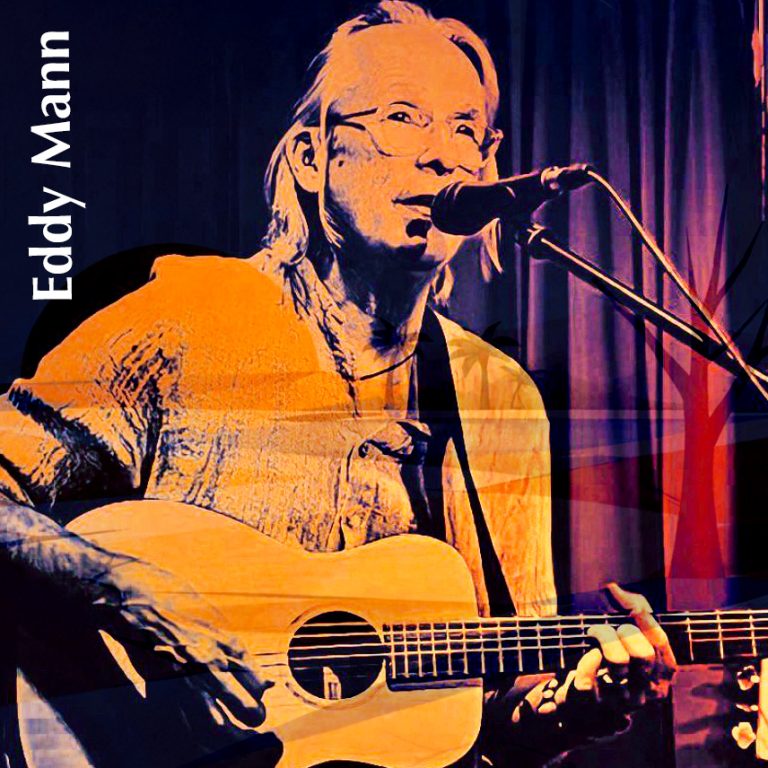
Eddy Mann’s “I Will Never Know the Desert Again” Turns Revelation Into Intimacy

0

In the contemporary Christian music landscape, where certainty is often marketed as a product and triumph arrives prepackaged inside polished choruses, Eddy Mann offers something quieter — and perhaps more radical. “I Will Never Know the Desert Again,” the latest single from his album The Unveiling, doesn’t seek to overwhelm listeners with spectacle or emotional command. Instead, it creates a space for contemplation, tenderness, and the fragile kind of hope that emerges only after struggle.

Inspired by Revelation 7:16-17, the song draws from scripture promising an end to hunger, thirst, suffering, and spiritual isolation. Yet Mann’s achievement lies in his refusal to treat these images as distant theology. He transforms them into emotional realities. The “desert” becomes not just a Biblical metaphor but an intimate psychological terrain — loneliness, uncertainty, grief, longing for connection. The song recognizes that modern spiritual exhaustion is often less dramatic than cinematic depictions of despair. It arrives quietly, through years of carrying burdens that never fully disappear.

“Never to know the pangs of hunger / Never to thirst for a faithful friend…”

The lyric lands with startling emotional precision because Mann sings it without performance-driven urgency. His voice doesn’t attempt to dominate the listener. It invites them inward. There’s weariness in the phrasing, but also gentleness — the sound of someone who has made peace with vulnerability rather than trying to transcend it.

That emotional openness shapes the entire sonic architecture of the track. Musically, “I Will Never Know the Desert Again” lives somewhere between Country Christian, Americana-inflected Inspirational Pop, and meditative folk balladry. Acoustic textures move softly beneath the vocal, while understated percussion and atmospheric instrumentation create a sense of spaciousness. The arrangement resists the maximalism that defines much of modern worship music. Instead of escalating toward catharsis, the song remains patient. It trusts silence. It trusts breath.

That restraint is deeply meaningful.

Contemporary spiritual music often treats faith as something loud and declarative. Mann approaches it differently. Here, belief sounds contemplative — almost private. When he sings, “For the Lamb on the throne will be my Shepherd,” the line doesn’t function as proclamation so much as surrender. He sounds less like a preacher delivering answers than a pilgrim allowing himself to rest for the first time in years.

This is where the song becomes especially moving. Mann understands that faith is not always experienced as certainty. Sometimes it exists as endurance. Sometimes it survives only as the decision to continue hoping despite emotional drought. “I Will Never Know the Desert Again” honors that complexity without diminishing the spiritual promise at its center.

There’s also something compelling about Mann’s maturity as a performer. His voice carries history. In an era obsessed with youthful perfection and digitally polished surfaces, Mann’s lived-in vocal tone communicates authenticity before a single lyric fully registers. He sounds grounded in experience, and that grounding gives the song emotional authority.

Importantly, the track never collapses into sentimentality. Mann avoids easy emotional manipulation by allowing the song’s spiritual themes to remain tethered to human vulnerability. The promise of eternal peace feels earned precisely because the song spends so much time acknowledging earthly weariness.

The result is music that transcends genre expectations. Yes, this is unmistakably Christian music. But it also belongs to a broader tradition of American songwriting concerned with survival, comfort, and emotional resilience. Like the best spiritual music — from gospel to folk to soul — it speaks to listeners navigating uncertainty while searching for grace.

“I Will Never Know the Desert Again” doesn’t offer escape from suffering so much as companionship through it. In doing so, Eddy Mann creates something increasingly rare: a spiritual song that feels profoundly human.

–Annie Powter