

Home Blog Page 27

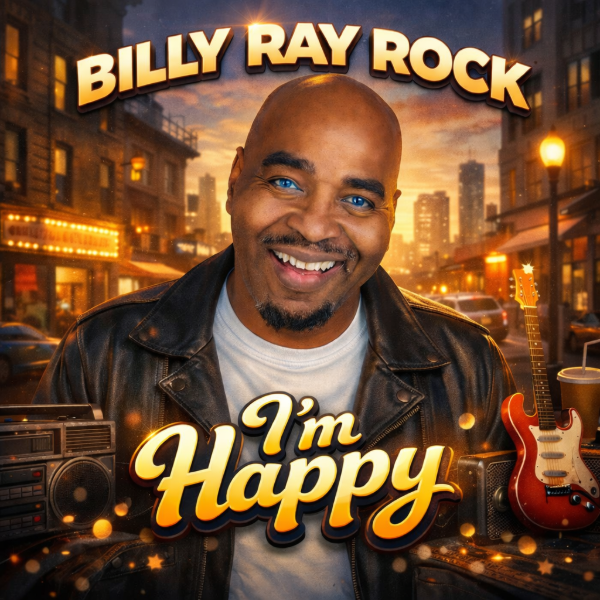
Billy Ray Rock’s ‘I’m Happy’ Finds Grace in Everyday Joy

0

There is a particular courage in writing a song that insists on happiness without disguising vulnerability underneath irony. In contemporary pop and R&B, emotional complexity is often measured by darkness—by how convincingly an artist can narrate heartbreak, anxiety, alienation, or desire. Joy, meanwhile, is treated cautiously, almost suspiciously, as though sincerity itself has become unfashionable. Billy Ray Rock’s “I’m Happy” pushes gently but firmly against that current.

The song does not arrive with grand statements or elaborate emotional architecture. Instead, it unfolds through ordinary details: green lights, paid bills, Friday-night freedom, the release that comes when stress loosens its grip for just a few hours. These moments are small, but Billy Ray Rock understands something essential about popular music: everyday triumphs are often the emotional foundation people build their lives around.

“I’m Happy” moves on a relaxed R&B groove that values rhythm over spectacle. The production is sleek without becoming sterile, balancing modern polish with an almost old-school ease. The beat rolls forward with an inviting looseness, allowing space for the song to breathe. There are no dramatic sonic pivots, no cluttered attempts to force intensity. Instead, the track trusts its own momentum.

That confidence extends into Billy Ray Rock’s vocal performance. He sings with conversational warmth rather than theatrical urgency, and that choice becomes central to the song’s appeal. He sounds present inside the experience he’s describing. His delivery suggests someone narrating a mood in real time rather than performing happiness as a concept.

The chorus is deceptively simple:
“Because I’m happy… it’s something you should know ’cause I feel good, yo…”

In another context, those lines might feel slight. But repetition has always been one of pop music’s most powerful emotional tools. Billy Ray Rock transforms the phrase into something communal—a mantra listeners can step into rather than simply observe. The hook functions less as lyrical poetry than emotional atmosphere. By the time it cycles through again, the listener isn’t analyzing it anymore; they’re inhabiting it.

What makes the song resonate beyond its immediate catchiness is the way it frames happiness not as perfection, but as choice. The lyrics repeatedly acknowledge pressure hovering nearby: stress, drama, negativity, “clouds.” Yet the song refuses to center them. Billy Ray Rock doesn’t deny difficulty; he deprioritizes it. That distinction gives “I’m Happy” emotional texture.

There’s also an understated sensuality woven into the track—not necessarily romantic sensuality, but physical ease. The pleasure of movement. Dancing. Driving. Laughing. Feeling your body relax after carrying tension for too long. The music itself seems designed to encourage release. It invites listeners into rhythm before asking them to process meaning intellectually.

Historically, Black popular music has often carried this dual function: pleasure as survival strategy, groove as emotional restoration. “I’m Happy” quietly participates in that lineage. Beneath its contemporary production and radio-ready structure is a deeper tradition of songs that transform resilience into celebration. The track understands that joy can be practical, grounding, even necessary.

Importantly, Billy Ray Rock never oversells the emotion. There’s no exaggerated triumph here, no attempt to portray happiness as permanent enlightenment. Instead, the song captures something more fleeting and believable: a moment when life aligns just enough to let you breathe easier.

In an era saturated with overstimulation and emotional performance, “I’m Happy” feels refreshingly direct. It doesn’t ask listeners to decode layers of metaphor or unravel complicated self-mythology. It asks them to move, smile, and maybe allow themselves a few minutes of uncomplicated pleasure.

That may sound modest. It is not. In this cultural moment, joy delivered without apology can feel radical.

–Anne Powter

AN ORCHESTRAL PORTRAIT OF MEMORY AND LONGING..

0

You Come to Me by Mark Andrew Hansen feels less like a conventional pop release and more like stepping into a memory that has never fully faded. Rooted in heartbreak yet shaped by tenderness, You Come to Me transforms personal loss into a cinematic and deeply human listening experience.

Inspired by a vivid dream of a former partner and musical collaborator, the song opens in complete intimacy. Hansen begins with little more than voice and acoustic guitar, creating a stripped-back atmosphere that immediately draws the listener inward. The simplicity of those opening moments becomes the emotional anchor of the track, allowing every later addition to feel earned rather than decorative.

As the arrangement develops, the song slowly expands into richer orchestral textures. Strings emerge gradually before the music rises toward a fuller symphonic landscape, giving the track a sense of movement that mirrors the emotional journey at its centre. Particularly beautiful is the harp passage woven into the middle of the composition; an uncommon element within contemporary pop that adds softness and a dreamlike glow to the piece.

Hansen’s vocals remain sincere throughout, avoiding unnecessary theatricality in favour of emotional clarity. There is warmth in the performance and a quiet vulnerability that strengthens the song’s reflective nature.

The production itself deserves attention. Recorded during a spontaneous late-night session, with lead vocals and guitar captured in a single take, the track preserves an organic quality enhanced by Hansen’s decision to avoid compression entirely. The result is a natural, almost live sound that gives space for both delicate moments and orchestral swells.

With You Come to Me, Mark Andrew Hansen offers a moving blend of acoustic intimacy and orchestral beauty, turning memory and longing into something quietly breathtaking..

A MEDITATIVE JOURNEY THROUGH GRIEF, INTENTION, AND HUMAN CONNECTION

0

Grief often changes the language people use to understand the world. In “Spirit God Universe,” Divineisll transforms loss into reflection, creating a spoken-word piece where remembrance, healing, and spiritual awareness move side by side.

Built around conscious lyricism and atmospheric textures, the track steps beyond traditional hip-hop structures and leans into a slower, more contemplative approach. Rather than pushing momentum through heavy production, “Spirit God Universe” allows space to become part of the experience, giving each line room to settle and resonate.

Divineisll reflects on words such as spirit, God, and universe, not as opposing ideas, but as different expressions of connection and understanding. The track encourages listeners to move beyond terminology itself and focus instead on intention, awareness, and the shared search for purpose.

That reflective foundation gains deeper emotional weight through the personal story woven into the song. References to his sister, Juwana, who passed away at the beginning of 2026, bring an intimate layer to the release. The result is a work that balances larger philosophical ideas with lived experience, allowing grief to exist not only as memory but also as transformation.

Divineisll’s spoken delivery mirrors that emotional balance. His cadence remains measured and grounded, carrying the feeling of someone documenting internal reflections rather than delivering abstract concepts. There is restraint in the performance, and that restraint strengthens the impact of the message.

With “Spirit God Universe,” Divineisll offers more than a spoken-word release. He creates a reflective experience where personal loss, spirituality, and human connection intersect. In doing so, “Spirit God Universe” becomes not only a tribute and an exploration of meaning, but also another thoughtful chapter in Divineisll’s evolving artistic journey..

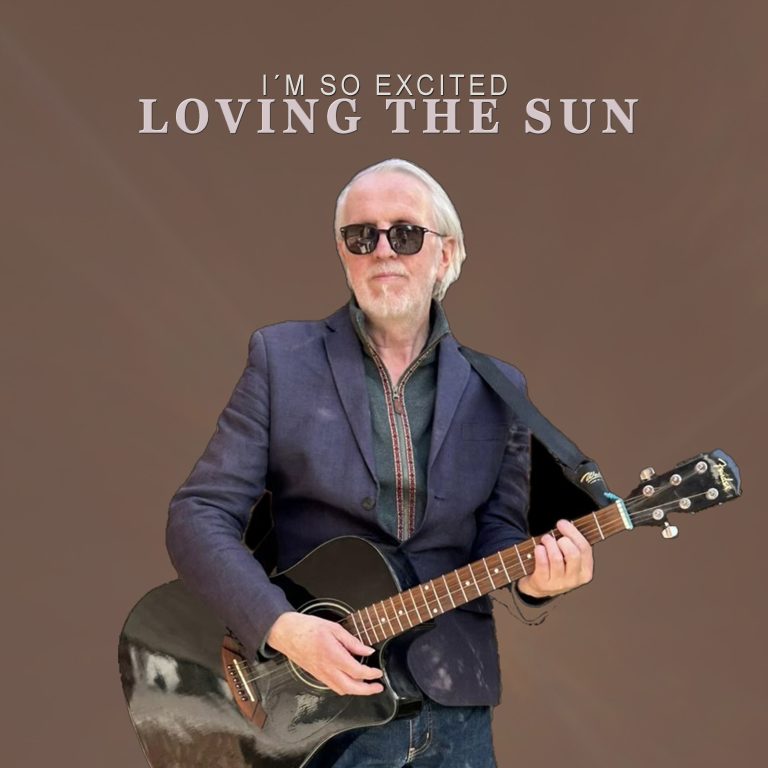
Loving The Sun Releases New Single “I’m So Excited”

0

Acclaimed multi-genre ensemble Loving The Sun is proud to announce the official release of their latest single, “I’m So Excited.”

Released on May 1, 2026, under the Fuego label, the track marks a vibrant new chapter for a band known for their atmospheric and genre-bending soundscapes.

Formed in 2002 by Joe Weninghoff and Andrea Heukamp, Loving The Sun has spent over two decades mastering a unique blend of Pop, Blues, Americana, and Folk Rock. “I’m So Excited” continues this tradition, offering listeners a lively, high-energy experience that balances original composition with the band’s signature musical craftsmanship. The new single serves as a testament to the band’s versatility. While their catalog features everything from haunting ballads to rock-infused anthems, “I’m So Excited” captures the current lineup’s ability to deliver a fresh, contemporary sound while staying true to their bluesy roots.

“We are thrilled to finally share this music after a year of hard work,” the band stated. “This track represents the energy and passion we feel for our current musical journey.”


Loving The Sun is a seasoned musical collective led by Joe Weninghoff and Andrea Heukamp. With a rich history dating back to 2002, the band has become a staple for fans of melodic rock and Americana, known for creating a unique atmosphere that transcends standard genre boundaries.

TCR! Releases Raw Indie Rock Track “On Vancouver Island” from Upcoming EP Dear Rabbits

0

Independent artist TCR! delivers a brutally honest portrait of a volatile romance with his new single “On Vancouver Island”, taken from his forthcoming 2026 EP Dear Rabbits.

Produced in a raw, lo-fi style, the track chugs along with bluesy acoustic guitar, rough-filtered vocals, and a loping backbeat that creates a hypnotic, mesmerizing quality. The lyrics pull no punches, offering frank and uninhibited insight into the messy dynamics of a toxic relationship, delivered with cathartic spirit and emotional intensity.

With its visceral angst and unpolished DIY aesthetic, “On Vancouver Island” is a standout for fans of post-punk, indie rock, and alternative sounds that prioritize authenticity over perfection.

TCR! A Chicago suburban Gen Xer who writes, plays, records, and mixes everything himself continues to carve his own path in the independent music scene. His music blends hypnotic melodies with real-life storytelling, embracing the imperfections that make it genuinely alternative.

“On Vancouver Island” is now available on all major streaming platforms.

Listen here: https://tcrbang.com/onvancouverisland

About TCR!

TCR! is the solo project of a Chicago-area independent artist who handles all aspects of creation — from songwriting and performance to recording and mixing. Rooted in lo-fi indie rock with post-punk and alternative influences, TCR! Crafts honest, emotionally charged music that resonates through its raw authenticity and hypnotic melodies.

Stream “On Vancouver Island” now and experience the full forthcoming EP Dear Rabbits later in 2026.

A SUNDAY ESCAPE WRAPPED IN TRIP-HOP HAZE!

0

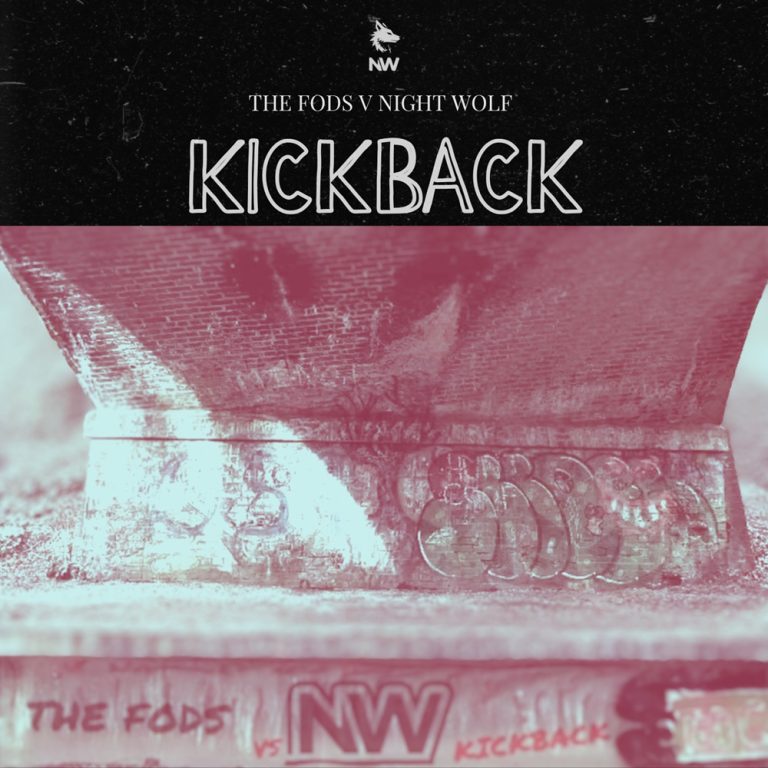
For listeners familiar with Night Wolf’s darker sonic world, “Kickback” may come as a surprise. Created alongside The Fods, the release steps away from shadow-heavy textures and moves toward warmth, openness, and a gentler emotional landscape without losing its depth. Rather than offering a simple remake, the track rebuilds the original almost entirely from the ground up, keeping only the vocal sections while shaping an entirely new sonic identity around them.

Blending alternative pop, trip-hop, and subtle dark-pop traces, “Kickback” unfolds with a relaxed confidence. Marimba melodies move gently through the arrangement while sweeping strings add light and space, giving the song its airy, cinematic atmosphere. The production feels intentionally unhurried, carrying the ease of a quiet Sunday afternoon while maintaining enough momentum to keep the track moving forward.

Night Wolf does not abandon atmosphere in pursuit of accessibility; instead, the producer reshapes it. The darker textures that often define previous releases are replaced by warmth and clarity, revealing a different creative dimension while preserving the emotional depth beneath the surface.

At the center remain The Fods’ vocals, grounding the track with a sense of familiarity and emotional continuity. The uplifting lyrical tone settles effortlessly into the dreamy soundscape, creating a feeling of movement and release. There is a quiet freedom embedded in the song, the kind that feels like open roads, passing landscapes, and leaving urgency somewhere behind.

The collaboration itself also adds another layer to the release. Bringing together The Fods’ genre-blending songwriting approach and Night Wolf’s cinematic production style, the track finds a comfortable balance between indie warmth, trip-hop textures, and easy-listening charm without losing personality.

With “Kickback,” Night Wolf, and The Fods turn reinvention into the heart of the experience. “Kickback” does not simply revisit what already existed; it reshapes it into something lighter, warmer, and quietly resonant, offering a fresh chapter for both Night Wolf and The Fods.

AN INTIMATE PORTRAIT OF LOVE AND LOSS..

0

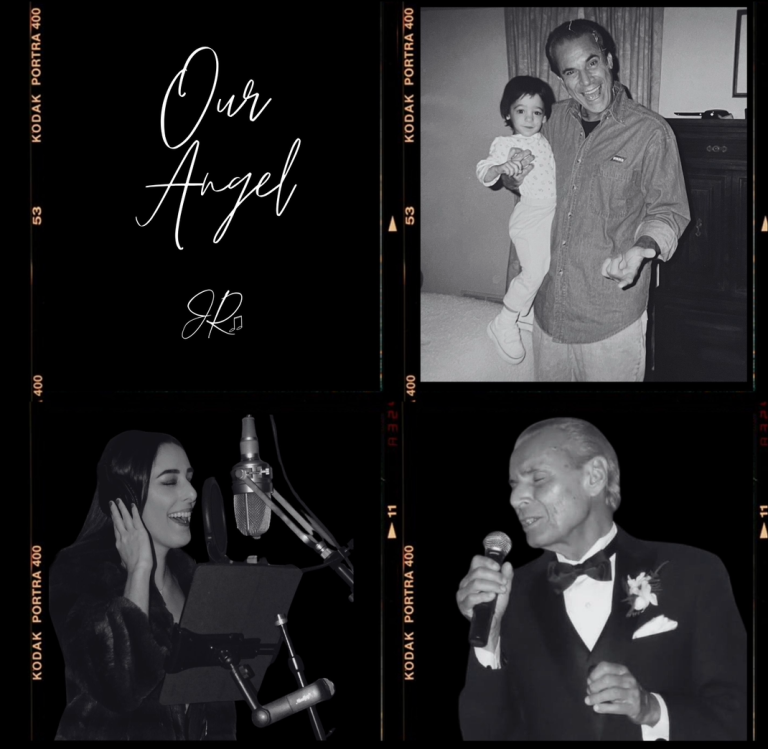
Releasing a first single is already an act of vulnerability. Releasing one rooted in personal loss is something even more delicate. With Our Angel, Jacqueline Ranieri opens a deeply personal chapter and transforms it into a song that reaches far beyond its original story.

Written years before its release, Our Angel carries a sense of time within it. Rather than feeling like a newly created debut, the song arrives as something lived with; a memory preserved, revisited, and finally shared when the moment felt right. That quiet patience becomes part of its emotional strength.

Built around a piano-led foundation, the track unfolds with warmth and intimacy. Even as guitar, bass, and drums gradually expand the arrangement, the heart of the song remains unchanged. There is still the feeling of one voice sitting beside a piano, holding onto a moment that mattered enough to be turned into music.

Jacqueline Ranieri chooses sincerity over excess. The influence of artists such as Adele and Alicia Keys can be sensed in the emotional openness of the delivery, yet the performance remains distinctly her own. There is strength in the voice, but also restraint. She allows emotion to unfold naturally instead of pushing every phrase toward dramatic resolution.

Our Angel is a tribute shaped by remembrance. Inspired by the loss of her grandfather, the song could have remained entirely personal. Instead, it gently opens outward. The lyrics leave space for listeners to bring their own stories, memories, and absences into the experience, allowing grief to become something shared rather than isolated.

The collaborative additions enrich the track without taking away from its origins. Guitar, bass, and drums add depth and movement, yet the intimate atmosphere remains intact, preserving the emotional honesty that gives the song its resonance.

Our Angel by Jacqueline Ranieri does not attempt to explain grief or overcome it. Instead, it offers a place where memory is allowed to stay, where love continues through remembrance, and where loss is met with tenderness rather than chasing answers..

A SONIC MEDITATION ON FAITH AND PURPOSE..

0

Christopher Rodriguez has never taken the conventional route, and Whom Seek Ye arrives as another deeply intentional chapter in his artistic journey. Rooted in faith and spiritual reflection, the release moves beyond the boundaries of traditional CHRISTIAN GOSPEL HIP-HOP, unfolding instead as a contemplative experience that asks listeners to pause, reflect, and examine where their focus truly lies. Recorded in Pueblo, Colorado, Christopher Rodriguez presents Whom Seek Ye not merely as a song, but as a question carrying both personal conviction and universal weight.

The track opens with atmospheric synth textures and cerebral vocal layers that immediately establish an almost cosmic environment. There is something meditative in the way the soundscape expands, creating space for the message to breathe while drawing the listener into its reflective world. Rather than following predictable structures, the arrangement embraces unpredictability, giving the release an identity that feels distinctly its own.

One of the most compelling aspects of Whom Seek Ye lies in its unusual relationship with language and sound. Christopher Rodriguez incorporates phonetic passages that feel suspended between clarity and abstraction, producing moments that are nearly elusive yet emotionally coherent. These sections add an intriguing dimension to the listening experience, mirroring the complexity and mystery often found within spiritual encounters.

The song draws heavily from biblical imagery and prophetic influence. Inspired by figures such as David, Moses, Abraham, Noah, and the prophetic tradition, Rodriguez shapes his writing with a cadence that feels closer to scripture than modern lyrical formulas. Lines such as “I am the resurrection and the life…” and “I am thy God…” reinforce the release’s spiritual center while expanding its themes toward revelation, purpose, and inner awakening.

There is also a palpable sense of urgency woven throughout the performance. Christopher Rodriguez approaches the track with unwavering commitment, channeling concerns about distraction, uncertainty, and the search for truth in a constantly shifting world. Yet despite this intensity, the release never loses its reflective core. Instead, it balances conviction with contemplation.

Having released an impressive number of songs over the past year, Rodriguez continues to demonstrate remarkable creative dedication. More importantly, his work remains anchored by a clear artistic vision, one shaped by faith, authenticity, and purpose.

Through Whom Seek Ye, Christopher Rodriguez delivers a release that feels both intimate and expansive. It is unconventional, spiritually driven, and unafraid to challenge expectations, offering listeners not only music, but an invitation toward reflection and deeper perspective..

EP: Beni Yaktin by Krey Galin

There’s a specific type of cultural osmosis that happens when you spend enough time in a place that isn’t yours. You pick things up without trying. A melody sticks. A rhythm starts to feel familiar. That’s roughly the origin story of Beni Yakti, the new EP from Recife-born artist Krey Galin, which dropped in April 2026. Galin was in Egypt, eating at Turkish-owned restaurants, hearing Turkish music piped through television screens, absorbing it without any formal intent. He brought a Turkish collaborator into the studio, recorded the thing in the USA.

I’ve personally been to plenty of those Turkish-owned establishments in Egypt that inspired this song. They have their own playlists blasting all the time, and their music has a very distinct sound in the region. What Beni Yakti offers as an EP is a surprisingly authentic-sounding Turkish song, though it was recorded in the USA in 5 languages: Turkish, Japanese, Bengali, Korean, and English. The hook – “Yaktin!! baby Yaktin! baby Yaktin” – is the kind of phrase that gets stuck in your head before you’ve finished the song. It has that earworm quality that good pop music leans on, and the energy Galin brings to it carries the cross-cultural premise rather than just imitating it. As a listening experience, the Turkish melodic motifs are addictive to listen to, and listening to the same song from 5 different angles and also with some minor production variations in each version keeps it somewhat fresh. 

What’s interesting about Beni Yakti is that it sits somewhere most EDM-adjacent pop doesn’t bother going. Turkish pop has its own established circuit, but it rarely bleeds into the broader global streaming conversation, and an artist from Brazil picking it up through an accidental experience in Egypt and then recording it multilingually in America is a genuinely unusual chain of events. Whether it all coheres is ultimately a question for the listener, but the premise at least earns some curiosity, and curiosity is a good place to start.

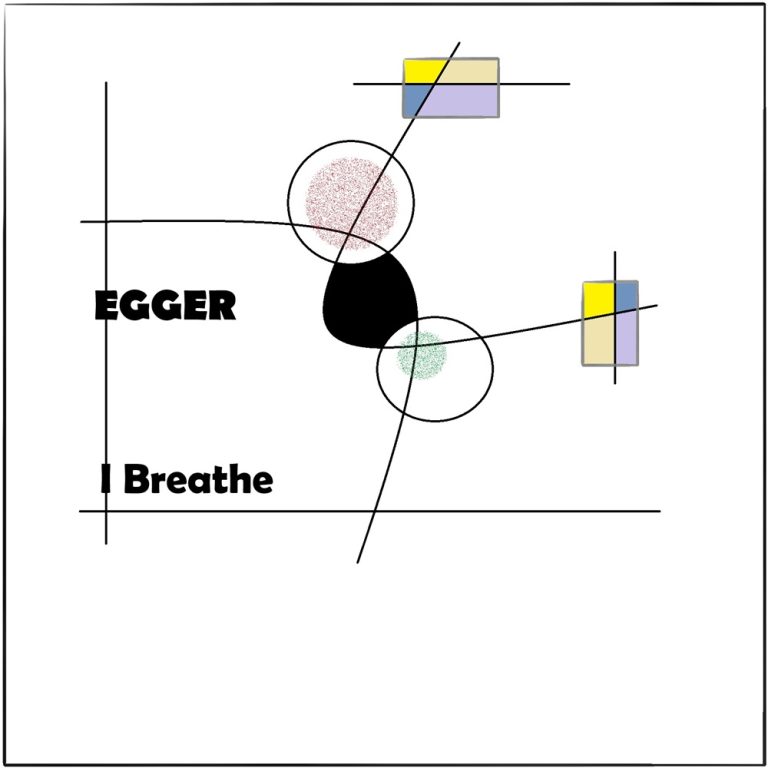
I Breathe by EGGER

Austrian electronic project EGGER has been building a very specific kind of world across his first three singles. Wolfgang Egger‘s debut, “Strange Behaviour”, drew on Kraftwerk and early John Foxx to explore technology’s creeping unease. The follow-up, “The People”, pushed the energy up while keeping the minimalist bones intact. “I Breathe”, released at the start of May, turns the focus inward entirely – and in doing so, might be the most fully realised thing he’s put out yet.

The minimal sound is here almost eerie; it’s meditative, sure, but in a Kubrick character going mad kind of meditative, and I mean that as a compliment because to elicit that kind of imagery is no small feat. The distorted oscillating bass keeps rising and falling in this pulsating fashion, like controlled tension in a sick experiment, or like the interior walls of the mind closing in and out. I would say this minimal approach is more psychedelic and stimulating than other songs that claim to be psychedelic when, in reality, they just throw everything but the kitchen sink and hope it sticks.

The line “Life – no goal, just direction” lands differently when the production around it is this stripped back. There’s nowhere to hide in a mix this sparse, which means the philosophical weight either earns its place or collapses. Here it earns it. For a project still only three singles deep, EGGER has established an unusually coherent identity – dark, precise, and genuinely interested in what electronic music can carry lyrically. “I Breathe” is the best proof of that so far. My only complaint about the song is that it’s not long enough.