Home Blog Page 30

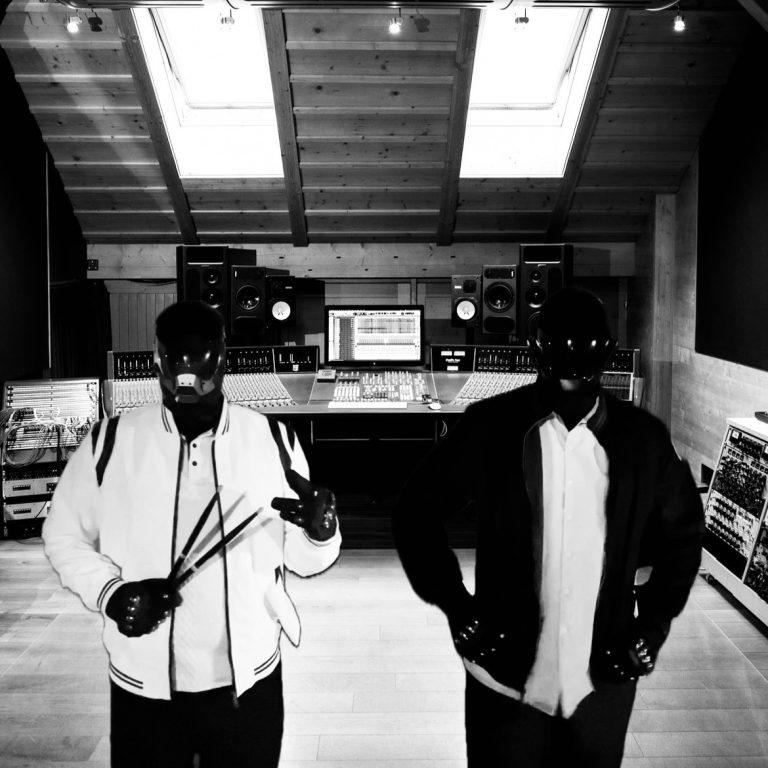
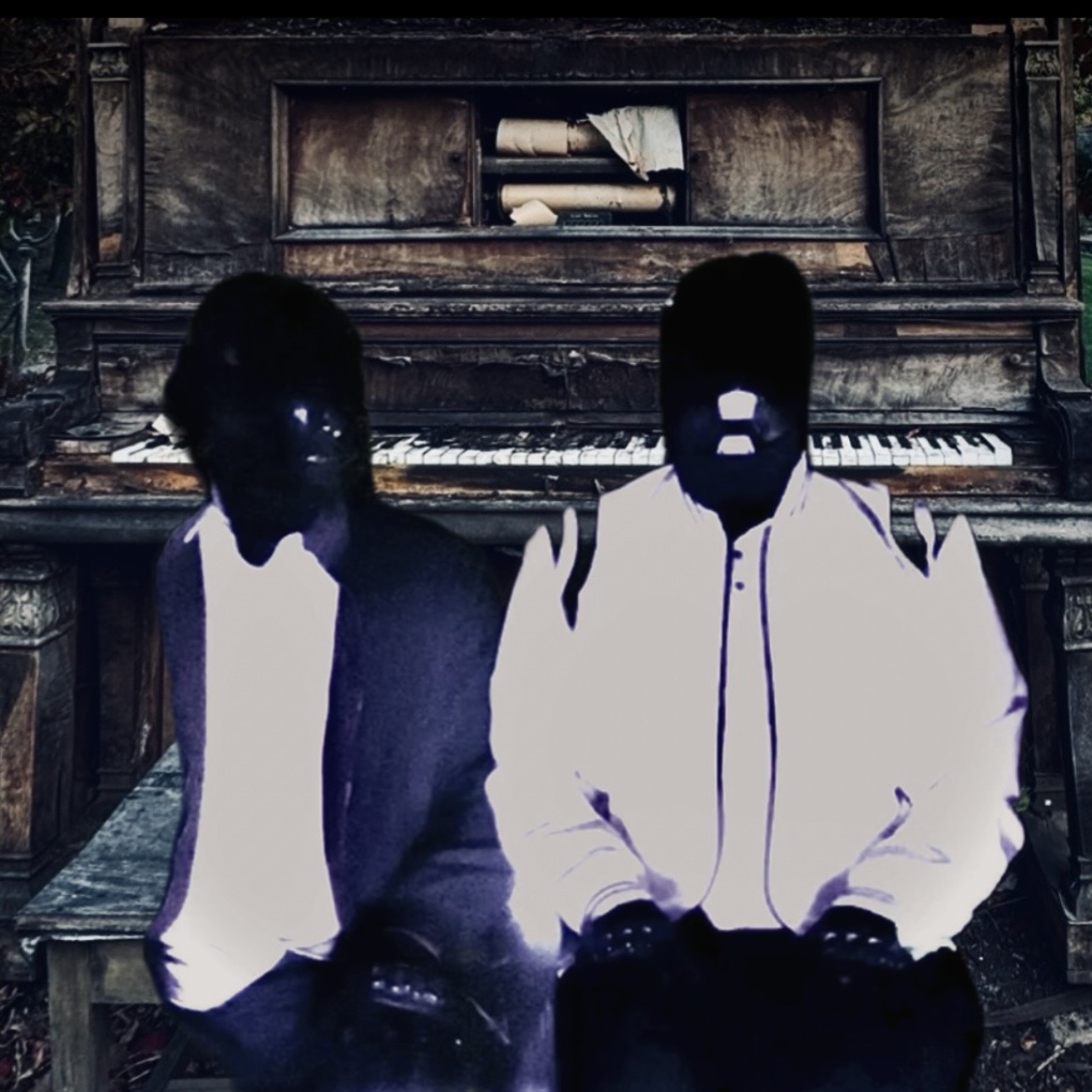
Sugar Coated by Kama Tala ft. Flissisipi

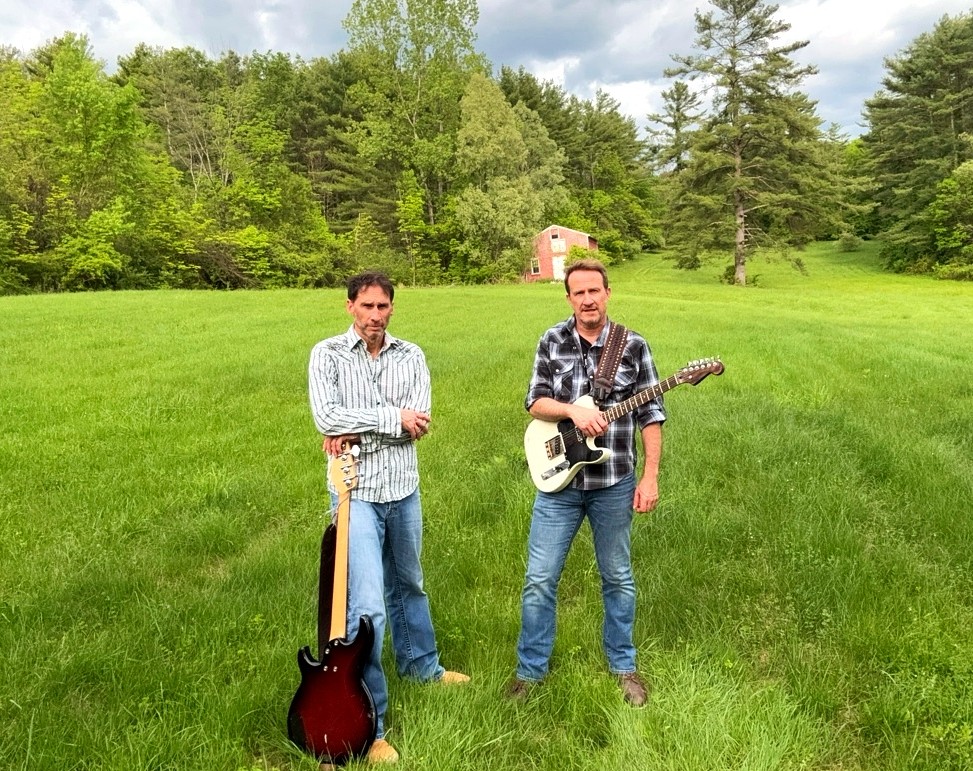
The last time we covered Kama Tala, he and Kevin Kahne were building a groovy sci-fi exploration of simulation theory, complete with Daft Punk-style vocoder vocals and twinkling synth pads. “Sugar Coated” is about as far from that as you can get without leaving the same solar system, and that’s precisely the point. Kama Tala is not an artist who has a sound so much as an artist who follows the creative process wherever it leads, and the collaborators he picks up along the way tend to define the destination. This time, the collaborators are Flissisipi, two street musicians he and his producer Zilchman stumbled onto during a road trip, heard a few licks from, and immediately knew they were something special. Thirty minutes of conversation and a jam session later, they were in the studio. That’s the kind of story that sounds too good to be true but produces exactly the kind of music it sounds like it would produce.

What Flissisipi bring to “Sugar Coated” is its entire harmonic identity. Between them, they play four or five horn instruments at a virtuosic level, and the trombone and trumpet work here gives the track a warmth and richness that no synthesized substitute could replicate. Kama Tala has talked about how once the horns entered the equation, the song’s direction became obvious: pop and rock were already in the room, and then he threw in some 60s swing and let it all collide. The result is a lighthearted, nostalgic, genuinely fun piece of music that radiates the joy of people who had no idea what they were making until they were already making it.

If “Stereopsis” showed you Kama Tala‘s capacity for conceptual depth, “Sugar Coated” shows you his range. An artist willing to chase a horn duo down the street and build an entire sonic world around what they bring to the table is one worth paying attention to across whatever direction he turns next. Because if the current state of the creative world rewards anything, it’s constant re-invention to keep up with the ever-changing zeitgeist.


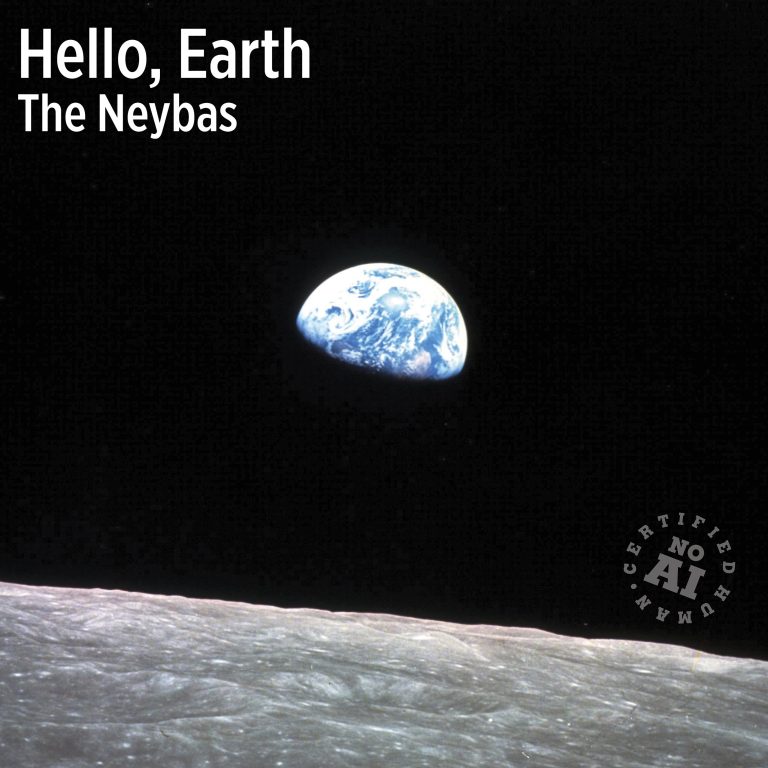
Album: Hello, Earth by Neybas

Connecticut’s Neybas have been at this for long enough to have a cult following across the northeast, multiple readers’ poll wins, chart placements on the AMA Americana Radio Chart and the Relix/Jambands.com chart, and a track included in the inaugural Essential Western New England Songbook. They’ve shared stages with the Georgia Satellites, Joan Osborne, Rick Derringer, and Felix Cavaliere of the Rascals. Hello, Earth is their sixth studio album, recorded at Massiphonic Studios in Manchester, CT, produced by John Bolduc, and released in March 2026. The cover proudly reads “Certified Human. No AI.” That tells you where they stand.

Labeling this album as a jam band album would be unfair because of the connotations of such a descriptor. Calling it a jam band album would make you think it’s all just funky jams with some vocals thrown together haphazardly the whole time, when in reality it has much more to offer, especially towards the halfway point. Don’t get it twisted, though. There are plenty of fun jams here to satisfy your cravings, and the band wastes no time fulfilling that with the first couple of songs.

“Are You Ready?” starts us off by taking us straight to funky town with some rock elements thrown in tastefully. Namely, some dissonant chords that I’m sure I’ve heard in a Siouxsie and the Banshees song before are used in the intro and part of a recurring motif. It’s a tasteful jam, which is a given since the band has great chemistry and identifies as a jam band; this is a good warm-up.

We escalate to “Live It Up,” a rowdy ska jam that is reminiscent of a Frank Zappa song, just without the cynicism. It’s undeniably fun to listen to for me, though ska might not be up everybody’s alley. It has that 70s quality to it, mostly because of the choice of textures, the organ sounds, and the way the guitars are recorded are a great throwback to that era here.

“Billionaires” is exactly what it sounds like: a tongue-in-cheek alt-rock anthem politely suggesting that the ultra-wealthy take their money and go colonize Mars, so the rest of us who actually appreciate this planet can enjoy it in peace. It’s built to be sung loudly and collectively, and the anthemic structure earns that. There’s something deeply satisfying about a song that manages to be both politically pointed and genuinely fun, and this one threads that needle well.

“Wake the Funk Up” is a tastefully danceable mix between smooth R&B and funk-rock. The clav is doing some heavy lifting here in the background. Musically, the band switches smoothly between tonalities in a masterclass showcase of harmonic storytelling, and in a way, it’s setting up the second half of the album that focuses more on harmonic magic as opposed to the more groove-oriented first half.

But before the band moves on to that second half, they let it rip on “Good Stuff.” It’s one hell of a feel-good blues jam. It’s as danceable as the best blues shuffles you’ve ever heard, and has such a great groove going throughout the whole thing, complete with a tasteful bluesy guitar solo. It’s like the band is getting the jamming part out of their system so that now we’re ready to move on to the second half.

“Strawberry Moon” marks the shift in the album to more laid-back, introspective, gorgeously melodic songs. The Strawberry Moon is the name of the full moon in June and is used in the song to mark when he’ll be going back to his lover. Now, even if the lyrics weren’t as great as they are, this song is worth listening to on repeat just for the beautifully warm bed of harmony created by all the arranged layers of acoustic guitars, but the fact that the lyrics are great really elevates it to a different plane.

“Natural High” is a dreamy celebration of the earth’s beauty. Beautiful harmony and backup vocals support the main vocals as they describe how incredible Mother Nature is and take us on a virtual hike. In fact, that would probably be my recommendation: listen to this song on a walk whilst touching some grass in solitude.

“Mission Control, Are You Receiving?” is, in my mind, an homage to David Bowie’s Space Oddity, whether that was intentional or not, but there are some similar textural choices in the way the ambience conveys the feeling of being in outer space, aside from the obvious connections present in the lyrics and the song’s title. The press kit frames it as a lonely astronaut pining for home, which is the flip side of “Billionaires” sending people off-planet. The interplanetary thread running through this album is one of its more quietly clever structural choices.

“Radio” brings us back down to earth to more of a standard guitar-centric riff-driven rock song, in which the organs join the ensemble in the chorus to elevate the dynamics to achieve that wall of sound effect we all have come to love and expect in a rock song. There is a pleasant surprise twist, which is that there is a slide guitar solo that is reminiscent of Paul Gilbert’s recent works, and it adds quite nicely to the melodic content of the song.

“Give Love” then takes us back even farther into the past, into the era of counter-culture hippie love, to remind us that we have so much to fight for on earth and that we can still start over and save our planet if we lead with love instead of fear and division. You might roll your eyes at such a message, but this message is sorely needed as we constantly get distracted by the powers that be, and they mind-control us to put fear before love. This is The Neybas’ way of fighting against it.

The Neybas then take us back to Jam City with “Your Body and Mine,” a simple song about instant attraction on the dancefloor. It’s among the catchiest tracks on the album because of that genius dry guitar motif. This track follows the “less is more” mantra; the band just holds onto the pocket for dear life without adding too many flashy parts, and it just works better to leave space for the dancing.

“Have Mercy” is a sequel to “Give Love” in my mind. It’s the same message from a slightly different angle. Everyone should help someone in need because, as we all know, with great power comes great responsibility, and we can make our world actively less cold if we lead with love towards all God’s creatures, especially our fellow men. In this song, they explicitly ask the lord to help us achieve that more peaceful world.

Finally, the band plays us out with “Road to Mississippi,” a tribute to the Freedom Riders, the civil rights activists who in 1961 boarded interstate buses into the segregated South to challenge the non-enforcement of federal desegregation rulings. It’s a song that re-examines their story and courage from a contemporary context, and the weight of that subject matter brings the album full circle in an unexpected way. A record that opened with an invitation to the dancefloor closes with a reminder of what people were willing to sacrifice for the right to exist freely on this earth. That’s a harder turn to stick than it looks, and The Neybas stick it.

Hello, Earth is a record that earns its own contradictions. It’s a party album with a conscience, a jam record with genuine melodic depth, and a politically aware collection that never forgets to be fun. Six albums in, The Neybas sound like a band that knows exactly what they’re doing.


 

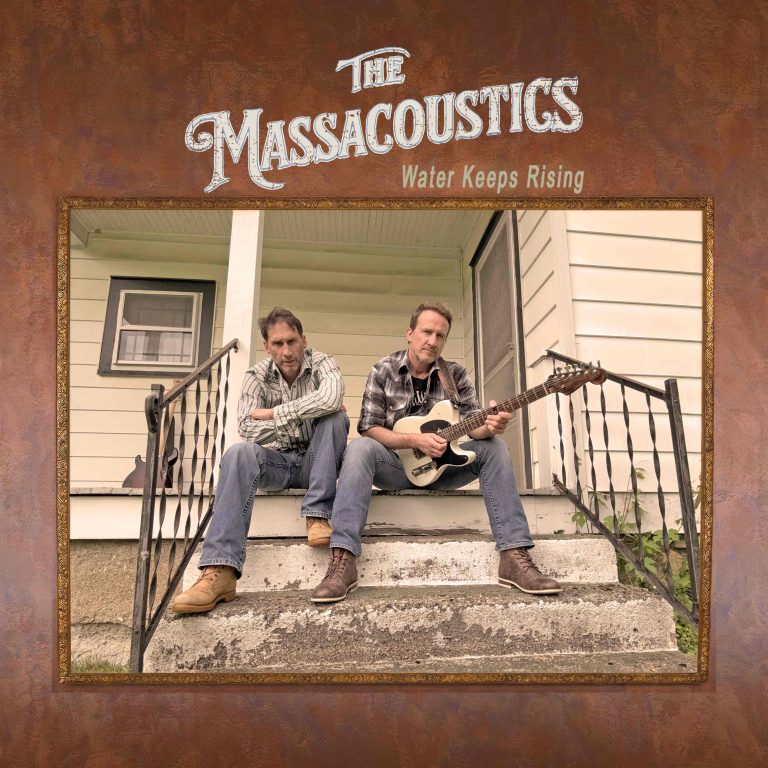
Album: Water Keeps Rising by The Massacoustics

Andrew and Matthew Thompson have been doing this for a long time. As The Thompson Brothers on RCA Records, they toured the US and Europe, shared stages with Willie Nelson, opened for Jerry Jeff Walker, recorded with Steve Earle, Sam Bush, Al Kooper, and Rusty Young of Poco, and played Germany alongside Bill Wyman and the Rhythm Kings. That was in the nineties. Now based between Western Massachusetts and Nashville, they’re operating as The Massacoustics, and Water Keeps Rising is their latest album. Everything on it was recorded live, with Matthew playing drums and bass simultaneously, one-handed, no loops, no backing tracks. Nothing on this record that can’t be reproduced on a stage.

This album feels like a live set, which is among the highest compliments one can give in an era filled with AI-generated music. The band has so much chemistry and flows from one song to the next, telling a completely different story every time, with the power of their dynamics. Mostly since they stick to their trusty Telecaster and acoustic guitars the whole time, you won’t find any experimental synthesizers here or a new song structure that has never been done before. It’s just great writing inspired by real experiences and great execution.

“Train Wreck” is a bold choice to start with because it has the heaviest groove of the whole album, with the stomping breaks highlighting the downbeat and the crunchy guitar tone. It’s definitely a great hook to start with. Not all bands will start with a high note because they might lose listeners later. The band here has a lot of trust, and for good reason, in the other, more intimate songs because of their great songwriting chops.

Speaking of great songwriting, we move on to “Midnight Saving Grace,” which is an incredible display of melodicism and dynamics in terms of musicality. But where it truly shines is the fact that it’s so lean there is no fat to trim. Every single second in the song, every note, is absolutely necessary to tell the story, and that’s something incredibly difficult to achieve, especially when the song has not one but two guitar solos.

“Magnolia Tree” has a timeless anthemic quality to it, and this is a great moment to highlight the lyricism across this album. Using this song as an example: the lyrics tell a love story, how a couple’s first kiss was under the magnolia tree, and then briefly mention that the tree was cut down to make space for a soulless strip mall that sells stuff we don’t need. It’s a simple line, but there is a lot of baggage there because, unfortunately, profit-maximizing ghouls have made our lives worse as they discard nature for their selfish gains.

“Fight For You” is made to be sung by crowds. I can imagine this song being played in a stadium with those lyrics and that nostalgic melody. It would be awesome to witness this live. It leans more towards the country rock genre-wise, but honestly, trying to put it in a box would be doing it a disservice. It’s simply a great song about being there for our friends and loved ones. Is it cheesy? Yes, but we don’t have nearly enough cheese in our lives these days. Everything is masked in irony to the point where nothing feels real anymore, so we need songs like this to balance it out.

“Bottle It Up” is about the other side of that. It’s about the pain that we need our friends to help us with, because it’s bottled up, and sometimes our friends provide an outlet for us to let it out. However, in this song it’s about bottling up itself. The song musically creates that atmosphere by letting the melancholy simmer, and with the second-longest runtime on the album, it really allows one to reflect on the bottled-up pain.

The title track picks the energy back up with its driving beat and hot guitar tone, keeping the momentum going in the face of eternal struggle, which is what the song is about anyway. We are chained to a wall, and the water keeps rising, and the rain never stops, but we keep going, and we dance, and we love anyway, and that’s what makes humanity so amazing. The indomitable human spirit is something we need to never stop believing in.

“Outside The Outsiders” is a narratively simple song about an outsider, but it stands out because of its bluesy melodic sense. The lyrics dig into a feeling most people have experienced but rarely articulate this plainly: being too strange even for the people who pride themselves on being strange, locked out of the laminate-only club by people who judge the shell before the melody. What makes the song resonate is its refusal to wallow. The narrator knows the road less traveled runs twice as long, but keeps the fire going anyway, betting on themselves when nobody else will. It’s a quiet kind of defiance, and the bluesy groove underneath carries exactly the right weight for it.

“Die Easy” has a lyrical hook that cements it as a timeless song: “Work hard, play hard, and die easy.” It’s a well-worn subject in music and art, the urgency of squeezing everything out of a life that doesn’t last, but the Thompson brothers earn their version of it. The hook is so distilled and plainspoken that it lands differently than the usual carpe diem messaging. There’s no grandiosity to it. It sounds like something a wise old man tells you over a drink, and you don’t forget it.

“Nashville” is a gorgeous ballad about missing one’s hometown. Nashville carries special weight here, not just because of the band’s personal history with the city, but because Nashville is essentially the birthplace of country music and the tradition of beautiful, aching ballads that the song itself belongs to. It also plays a structural role in the album’s arc, winding things down gently before the closing track takes over.

“Getting Out” closes the album in beautiful, dramatic fashion with great clean guitar tones, ambient delays, and simple grooves as everything goes sentimental. The lyrics tell the story of someone who has given California, or maybe just the dream it represents, a fair shot, and is now pointing the rental east on I-90 with no illusions left. When false optimism can’t outweigh the doubts, it’s time to get out. The 413 area code reference grounds it in something specific and real, and that specificity is what gives the song its weight. A full return to solid earth, and the album lands exactly there.

Water Keeps Rising is the work of two brothers who have been at this long enough to know exactly what they are and what they’re not, and have made peace with both. There is a lot of road behind these two gentlemen, and there is clearly a whole lotta road ahead.


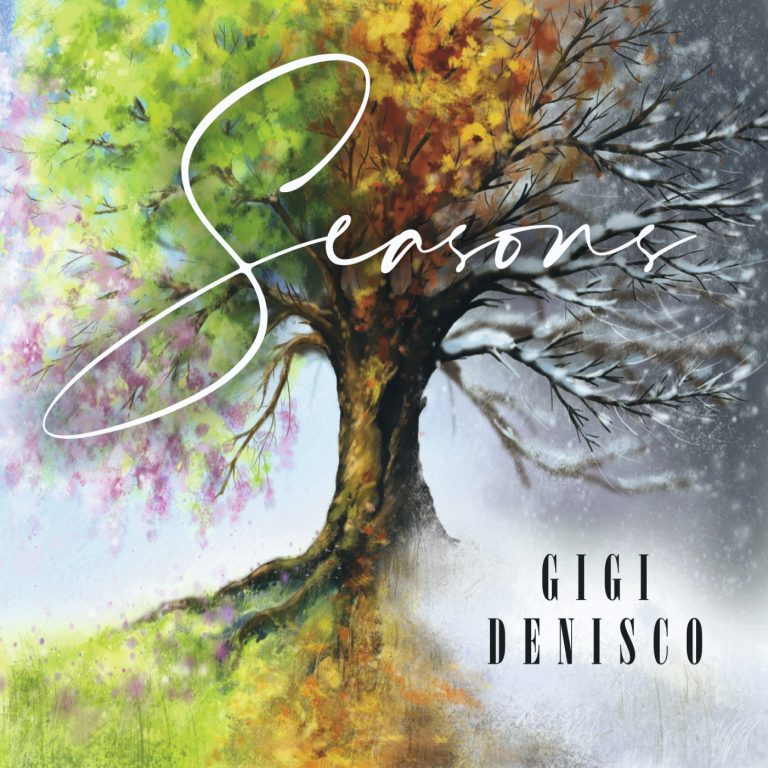
Album: Seasons by Gigi DeNisco

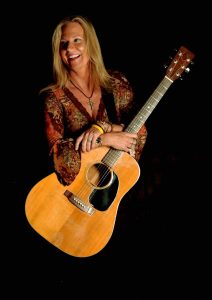
Gigi DeNisco has been building this career quietly and on her own terms for a long time. The South Florida singer-songwriter, guitarist, and ASCAP member started writing songs at 15, spent years grinding through Miami’s live circuit, opened for the likes of Willie Nelson, Keith Urban, and Stevie Nicks, and managed to chart two singles without a label behind her. “Ponyride” hit number five on the FMBQ AC chart. “Before We Start” hit eleven. By any measure, she earned her stripes. Seasons is her fourth album, produced by longtime collaborator and guitarist Jimi Fiano, with Euvoski Cunningham on drums and Steve Argy on bass. The exception is “Blue Skies and the Rain,” which was handled separately by Fernando Perdomo, a producer with credits alongside Carmine Appice and the Marshall Crenshaw Band, and mixed by Steve Gordon. It’s a Christian-leaning Americana record, though DeNisco herself is clear that she doesn’t see herself as exclusively a Christian artist. The album reflects a spiritual journey rather than a faith declaration, and that distinction matters when you’re listening. So let’s embark on this journey with her:

In the beginning was the word, but in “The Beginning” there was no word, because it’s an instrumental intro to the album, and despite its lack of words, it manages to say so much with its melodies. It works as the perfect mood-setter with its twinkling guitars and melodic lead guitar lines. It reminds me of a TV show intro from the early 2000s.

“Blue Skies and the Rain” serves as the introduction for the album’s themes, as it spells some of it out but mostly says it in between the lines. The longing for God that we all instinctively feel, and that hope that one day we will know about the blue skies and the rain that awaits us away from all the pain. This beautiful sentiment is laid bare over a tangibly warm arrangement of guitars and organs to set the album’s message in motion.

Though we don’t stay in that warm style for long because “Sidetracked” takes us on a bit of a detour to a more bluesy lane. It can almost qualify as swamp blues because of those moments with the slide guitar. It doesn’t feel like a tonal disconnect or that it clashes with the rest of the album; there is a cohesion here because the textures aren’t completely out of left field. Also, depending on how you look at it, the story about being locked out of a car in the wrong lane can be an allegory for the journey of losing faith and finding it again.

“Secular Stress” narratively expands on the idea of being spiritually lost and the secular stress really taking a toll on one’s soul. It’s the signal that starts the attempt to drive back to God. Lyrically, we see Gigi slowly realize that she needs to head back and integrate spirituality into her life. It’s at a great point in the album to have this turning point, and it works greatly as a handoff between “Sidetracked” and the following song.

“The Light” is what follows, and it’s a song that manages to pull off the impossible. It captures the moment where your personal experience confirms that God’s light is real, and it’s shining down on all of us, and it’s only us that sometimes reflect it away. Musically, it’s so rich with beautiful harmony with no need to create brand new textures. Kudos to the production team because the warm sound of the bass is really what makes this believable as a moment of becoming a believer.

“Everyday” is another musical break that works wonders for pacing and to break the main warm colors of the album with some brightness achieved by its borderline reggae rhythm section. Narratively, this serves as the answer to the question of how one remains hopeful and faithful in these strange and trying times. The answer is like everything in life: through practice.

“Thank You” is exactly what the title implies in the context of this album; it’s a song about expressing gratitude towards God for everything we have, for the gift of life itself, for letting us see the correct path in life. Even if life is deterministic and you were going to walk that path anyway, God gifts the perspective of seeing the blessings and hiccups for what they are, and that knowledge is worth getting down on your knees and being thankful.

“Please Come In” is a prayer much like the last song, but it’s not in a time of gratitude; it’s in a time of need. Need for guidance and the yearning for a feeling of safety. The Joni Mitchell influence is clearer than ever here, with the music supporting this ritual of a song. This intimate bonfire vibe is a drastic contrast to gospel music, where it aims to recreate the feeling of awe; it’s like those quiet moments of solidarity as lots of people pray to God for help.

Finally, we arrive at “The New Heaven,” which is naturally the closing track on this album, but I would say that the relief this song delivers feels a bit too easy. Maybe one more song about struggling with faith or a particularly difficult test from God would make this song hit a bit harder, but that’s up to subjective taste. Objectively, this is a great feel-good song that ends the album on a high and optimistic note.

Seasons is the kind of record that works best when you meet it where it is. DeNisco isn’t trying to convert anyone, and the album is more honest for it. The spiritual arc across these nine tracks feels lived-in rather than preached, and that’s a harder thing to pull off than it sounds. For listeners who connect with Americana, adult contemporary, or the Joni Mitchell and Bonnie Raitt corner of the singer-songwriter world, this one has plenty to offer. The production is warm throughout, the performances are genuine, and DeNisco sounds like someone who has spent a long time figuring out exactly what she wants to say.

FLOATING THROUGH UNCERTAINTY WITH INTENTION

0

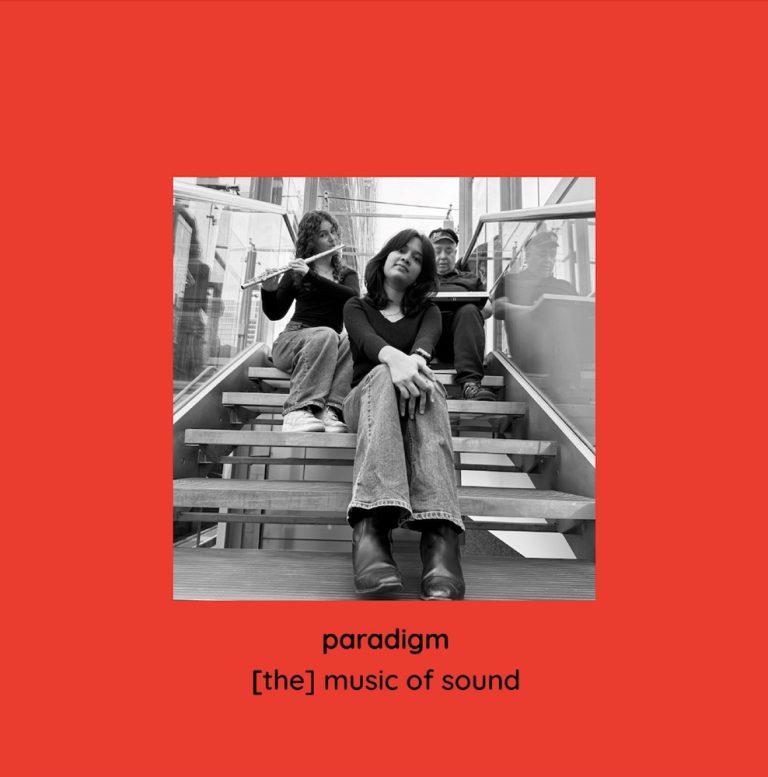
Formed at the intersection of contrasting journeys, “Paradigm” by The Music Of Sound carries a sense of convergence that feels less like fusion and more like coexistence, where uncertainty is not something to solve, but something to inhabit.

It doesn’t open with impact; it unfolds. The kind of track that draws you in without asking, gradually settling into a mood that feels both distant and intimate. The London-based trio continues refining a sound that resists easy labels, choosing texture and atmosphere over definition.

The arrangement is deceptively simple. No guitars, yet nothing feels missing. Neil March’s piano quietly takes their place, not as a lead, but as a surface the rest of the track leans on. Around it, synths shimmer without overwhelming, creating a sense of space rather than density.

Sherin’s voice becomes the emotional axis. Clear, restrained, almost untouched; it doesn’t dramatize feeling, it allows it. There’s a softness in her delivery that feels intentional, never fragile. She doesn’t push the song forward; she steadies it. Meanwhile, Ellie’s flute moves in and out like breath, subtle, but essential, adding warmth that keeps the track grounded.

There are traces of Cocteau Twins in the sonic language, but they appear more as atmosphere than reference. “Paradigm” isn’t interested in resemblance; it’s more concerned with translation.

What lingers is less about structure and more about feeling. The track holds space; for ambiguity, for quiet tension, and for a world that doesn’t quite make sense; and that’s exactly where “Paradigm” by The Music Of Sound settles: not necessarily resolution, but in suspension..

FLOATING BETWEEN RHYTHM AND REVERIE

0

On “Waterfall,” Allegra doesn’t choose between intimacy and impact; she holds both in suspension. “Waterfall” exists in that in-between space, where rhythm moves the body, but atmosphere quietly carries the emotional weight.

Allegra’s “Waterfall” unfolds with a quiet sense of ease. Airy vocal lines drift over ambient synths, creating a soft, suspended entry point that feels less like a beginning and more like a gentle immersion. There’s a natural flow to how the track introduces itself: nothing rushed, and nothing overstated.

As the rhythm settles in, “Waterfall” begins to reveal its underlying structure. The pulse is rooted in contemporary pop and club sensibilities, yet it never disrupts the track’s softness. Allegra moves fluidly within this space, her vocals remaining clear and controlled, subtly layered with effects that add a surreal glow without overshadowing their warmth.

It’s within its contrasts that “Waterfall” finds its most compelling moments. Around the two-minute mark, the track pulls back into a near a cappella passage, lightly traced with blues-tinged guitar. The shift feels intimate and exposed, offering a brief moment of emotional clarity before the song returns to its fuller, polished form.

There’s a quiet sense of artistic clarity shaping “Waterfall.” Rather than building toward excess, Allegra allows space and restraint to guide the track. The arrangement breathes, the pacing feels deliberate, and each element is placed with intention, suggesting an artist increasingly confident in subtlety over spectacle.

“Waterfall” lingers more than it demands attention. It leaves behind a soft, visual afterglow: warm, fluid, and slightly hypnotic. With “Waterfall,” Allegra continues to refine her balance between vulnerability and pop precision, shaping a sound that feels both expansive and intimately held..

A MIDNIGHT DRIVE THROUGH SOUND AND FEELING

0

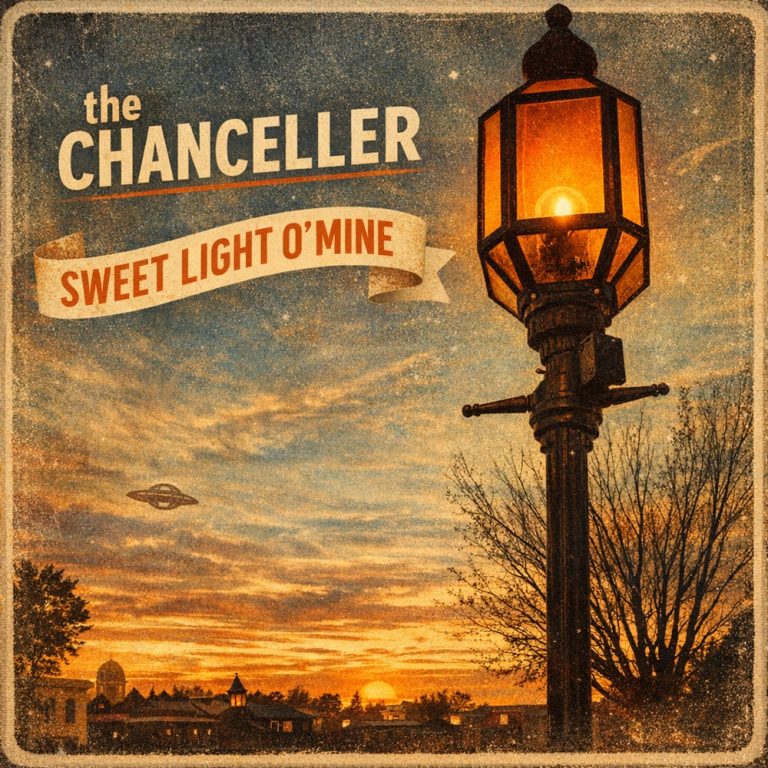
With Sweet Light O’mine, The Chanceller leans further into atmosphere than immediacy, and it works. This is a track built on patience, not payoff.

That idea sits at the core of the listening experience. This isn’t a song chasing a hook or a dramatic drop; it’s a slow reveal. The kind where you don’t fully grasp its weight in the first few seconds, but somewhere halfway through, you realize you’ve been pulled in completely.

The production reflects that intention. Synth textures don’t arrive to impress; they settle. There’s a quiet confidence in how the soundscape is built: layer by layer, and without urgency. You hear echoes of Depeche Mode and Röyksopp, but what’s more interesting is how those influences are softened, almost distilled into something more introspective and less declarative.

Vocally, the restraint is striking. The performance doesn’t push forward; it draws you closer. At times it feels nearly whispered, creating a sense of proximity that contrasts beautifully with the expansiveness of the production. It’s in that tension, between closeness and space, that the track finds its emotional identity.

What Sweet Light O’mine understands is that connection doesn’t always arrive as a climax. Sometimes it lingers in the in-between, in repetition, in texture, in the subtle shifts you almost miss. The song trusts the listener enough to not over-explain itself, and that trust pays off.

Then the remix by Carlos Zicoskywalker Oliveira gently shifts the perspective. It introduces motion, a sense of outward energy, but never at the expense of the original’s emotional core. Instead, it feels like a parallel experience: one internal, one external, two ways of inhabiting the same atmosphere.

The Chanceller’s “Sweet Light O’mine” is not designed for instant gratification. It’s designed to stay with you, to unfold over time, and to exist more as an embodied feeling than a fleeting moment.. 

DJ Cards Captures Seasonal Magic with New EDM Anthem “Grab That Fall Feeling”

0

Internationally featured producer DJ Cards is bringing a touch of euphoria to the changing seasons with his latest melodic EDM release, “Grab That Fall Feeling,” out now.

Blending high-energy progressive house with light trance elements, “Grab That Fall Feeling” is designed to evoke a warm, seasonal vibe while maintaining the festival-ready intensity DJ Cards is known for. The track delivers a polished, emotionally engaging sound that has already begun to secure positive feedback from global curators.

The release showcases the signature sound that has earned DJ Cards traction across international media outlets and radio platforms: a fusion of atmospheric elements, driving rhythms, and powerful hooks. With a foundation built on over a decade of experience as a drummer, his music possesses a strong rhythmic pulse that effortlessly bridges the gap between emotional depth and dancefloor energy.

Perhaps most intriguing is the man behind the decks. Based in Philadelphia, DJ Cards balances a dual life that has earned him the nickname “The Lawyer Who Drops Beats”. As a practicing attorney by day, he brings a disciplined, detail-driven precision to his nightly sessions in the studio, a unique perspective that fuels his creative edge.

Reflecting on his journey from the courtroom to the synth, DJ Cards says: “My background in law requires a high level of focus, but music is where I find my freedom. ‘Grab That Fall Feeling’ is about capturing that specific energy of transition and turning it into something uplifting.”

As his international audience continues to grow, DJ Cards remains a standout voice in the global EDM scene, proving that precision and creativity can coexist harmoniously. Whether designed for a massive festival crowd or a cinematic soundtrack, his music is built to energize and elevate.

About DJ Cards

DJ Cards is an EDM producer and Philadelphia-based attorney known for his uplifting and high-energy melodic tracks. After a decade of drumming, he expanded his repertoire into synthesizers and electronic sound design, specializing in euphoric melodies with subtle trance influences. His work is frequently featured in global media and is highly sought after for live events, film, and television.

Carmen Cummins Reclaims Her Power with Defiant New Single “Closure”

0

London-based songwriter Carmen Cummins makes a bold and unflinching statement with the official release of her powerful original single “Closure,” out now since 10th April.

Confronting the raw emotions of a toxic breakup, “Closure” tells the story of a woman reclaiming her narrative by refusing to provide a final explanation to a partner who drained her through lies and manipulation. While societal expectations often demand a tidy ending, Carmen’s protagonist chooses silence and complete detachment, walking away for good without looking back. The track serves as a defiant anthem for anyone who has chosen their own peace over providing answers to those who do not deserve them.

The production of the track is as innovative as its message. As an independent artist and mother of seven, Carmen utilizes cutting-edge AI-assisted tools, including AI-generated vocals and beats, to bring her vision to life. This modern approach allows her to maintain total creative control while authentically translating her personal emotional journey into a captivating sonic experience.

Carmen reflects: “This release is what it feels like to walk away without closure and still stand tall.”

“Closure” continues an active year for Carmen, following the January release of her deeply personal track, “Quiet Nights”. By challenging traditional recording methods and exploring new technological possibilities, she is carving a unique path in the modern music industry, one defined by fearless songwriting and a refusal to conform.

About Carmen Cummins

Carmen Cummins is a London-based independent artist and songwriter known for her fearless approach to music and storytelling. By embracing AI technology to shape her sound, she maintains a visionary role over her work, ensuring every release authentically represents her artistic identity. Her music is deeply personal, drawing from her own landscape of resilience and self-discovery to create tracks that are both unique and universally relatable

Richard Green Releases Heartfelt New Single “Little Things”

0

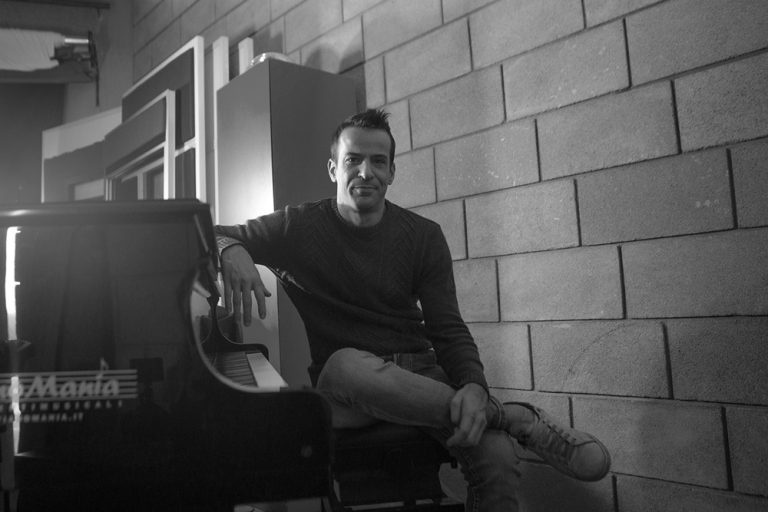
Italian musician and composer Richard Green invites listeners to rediscover the beauty of the present with his poignant new single “Little Things”, out now.

Exploring the timeless theme of appreciating life’s simple joys, “Little Things” serves as a soulful reminder to cherish meaningful moments amidst the noise and distractions of modern society. At its heart, Green’s composition is an urgent, heartfelt plea to pause and reflect on the significance of genuine connections and the relationships that define us.

Recorded two years ago across two creative hubs, London and Studio Elfo in Italy, the track has been carefully preserved until now, embodying a sophisticated blend of rich instrumentation and soaring, soulful melodies. The result is a captivating arrangement that balances introspection with high-level musical artistry, designed to resonate with audiences long after the final note fades.

Reflecting on the track’s message, Richard says: “In a world that moves so fast, we often lose sight of what actually grounds us. ‘Little Things’ was written to capture that specific feeling of clarity when you stop chasing the next big thing and realize that the most important moments have been right in front of you all along.”

The release of “Little Things” highlights the remarkable versatility that has defined Green’s career since his 2020 debut, Dark Horses. After early explorations in electronic music, Richard shifted gears to produce his most significant work to date: a neoclassical trilogy for piano and string quartet titled “A Journey,” “The Circle Closes” (2024), and “First Light” (2025). This ambitious project saw him collaborate with world-class talent, including renowned pianist Irene Veneziano and the Archimia String Quartet, blending modern sensibilities with classical prestige.

2026 is set to be a landmark year for the Milan-based artist. Following the release of “Little Things,” Green will showcase his genre-defying range with two upcoming projects: an elaborate melodic electro/tech collection, followed by a rhythm-heavy exploration mixing funk, rock, and hip-hop beats.

About Richard Green

Richard Green is an Italian musician, guitarist, and composer based in Milan. His artistic identity was shaped by eleven years spent in London, where he obtained his degree in music and immersed himself in the city’s diverse sonic landscape. Known for his exceptional versatility, Green has successfully navigated everything from electronic production to high-level neoclassical compositions, consistently prioritizing emotional depth and artistic integrity in every project he touches.