

Home Blog Page 34

THE SHIFT FROM REACTION TO CONTROL!

0

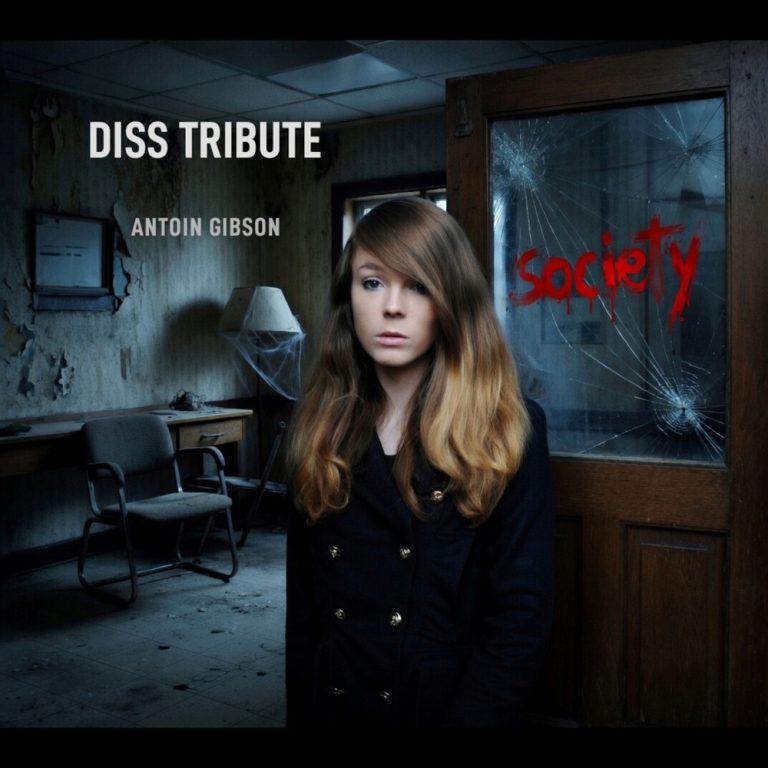
There’s a difference between being seen and deciding how you’re seen. With Diss Tribute, Antoin Gibson steps into that distinction with intention. Released on April 14, exactly one year after her viral breakout FlexAble, Antoin Gibson’s Diss Tribute doesn’t return to that moment; it redefines it. What once felt like momentum now feels more like direction!

The release moves differently. Instead of feeding into the expected cycle of streams and algorithm-driven visibility, Antoin Gibson’s Diss Tribute enters through sync, already placed across networks like PBS, MTV, Discovery, and NASCAR. It’s a subtle but decisive shift. Visibility here isn’t something pursued; it’s something positioned. And that sense of control quietly anchors the entire track.

The production pulls back rather than builds up, leaving a stark, open space where nothing distracts from the core. Gibson’s voice sits right at the center: clear, steady, and deliberate. There’s no excess, no unnecessary layering; just a focused presence that refuses to dissolve into the background. It’s the kind of track that doesn’t accompany a moment; it interrupts it.

Antoin Gibson’s Diss Tribute carries that same precision. It navigates the shift from organic virality to algorithmic control with a clarity that feels both analytical and deeply aware. There’s no urgency to prove, no need to overstate. Instead, Gibson dissects, mapping out the structures that shape visibility and questioning the systems that define value. The frustration is there, but it’s refined into something sharper, something controlled.

As part of her ongoing “C U Next Tuesday” release structure, Diss Tribute feels less like a standalone drop and more like a point within a larger trajectory. There’s a noticeable evolution, from earlier introspection to confrontation, and now into something more composed. More intentional. It’s no longer about reacting to the system, but about understanding it well enough to move differently within it.

With Diss Tribute, Antoin Gibson doesn’t attempt to overpower the system or escape it entirely. Instead, she reshapes her position within it: quietly, deliberately, and on her own terms. Antoin Gibson’s Diss Tribute doesn’t ask to be seen. It decides how it will be!


SOUNDTRACK FOR A THOUSAND LIGHTS!

0

With “We Rise Up (The Stadium Hype Song)”, DJ Cards positions himself within a space that values both precision and feeling, delivering a track that understands not just how EDM sounds, but how it’s experienced. There’s a clear sense of direction: this is music designed for scale, for shared moments, for that collective surge where sound and crowd become almost indistinguishable!

The rhythm arrives steady and grounded. Built on a four-on-the-floor pulse that feels intentional rather than repetitive, and around it, layers of percussion: claps, hi-hats, and subtle accents are placed with care, creating a groove that breathes. There’s space within the movement, a quiet push-and-pull that builds anticipation without rushing toward release. It’s the kind of detail that reveals itself more with each listen.

As the track expands, the melodic elements begin to carry its emotional core. Bright, ascending synth lines move with clarity and purpose, simple in structure but effective in impact. They don’t overwhelm the listener; they draw them in, repeating just enough to become familiar, then evolving just enough to stay alive. There’s a soft trace of trance influence here, giving the track a sense of lift, as if it’s constantly reaching upward without ever losing its footing.

The transitions are handled with notable restraint. Breakdowns don’t disrupt the flow; they reshape it, pulling the energy back just enough to create contrast. Atmospheric layers step in, adding a cinematic quality that feels almost visual in nature. You can sense the environment this track belongs to: open air, moving lights, a crowd in sync. And when the drop arrives, it doesn’t hit abruptly; it unfolds. The melody returns with more presence, the rhythm tightens, and the energy expands outward into that familiar, collective release.

There’s also something compelling about the duality behind the artist himself. DJ Cards, balancing a career in law alongside music, brings a certain clarity and discipline into his production. Structure is evident in the pacing, in the way each element feels placed rather than layered. Yet, that precision never limits the emotional impact; it refines it.

What ultimately lingers is the sense of intention. “We Rise Up (The Stadium Hype Song)” by DJ Cards doesn’t attempt to reinvent the genre; it understands it, and, within that understanding, shapes something cohesive and resonant. It’s a track that knows exactly what it wants to be, and executes it with confidence!

DJ Cards’ “We Rise Up (The Stadium Hype Song)” fully embodies its own atmosphere, a soundtrack not just for movement, but for light, for unity, for that fleeting moment where everything rises together.

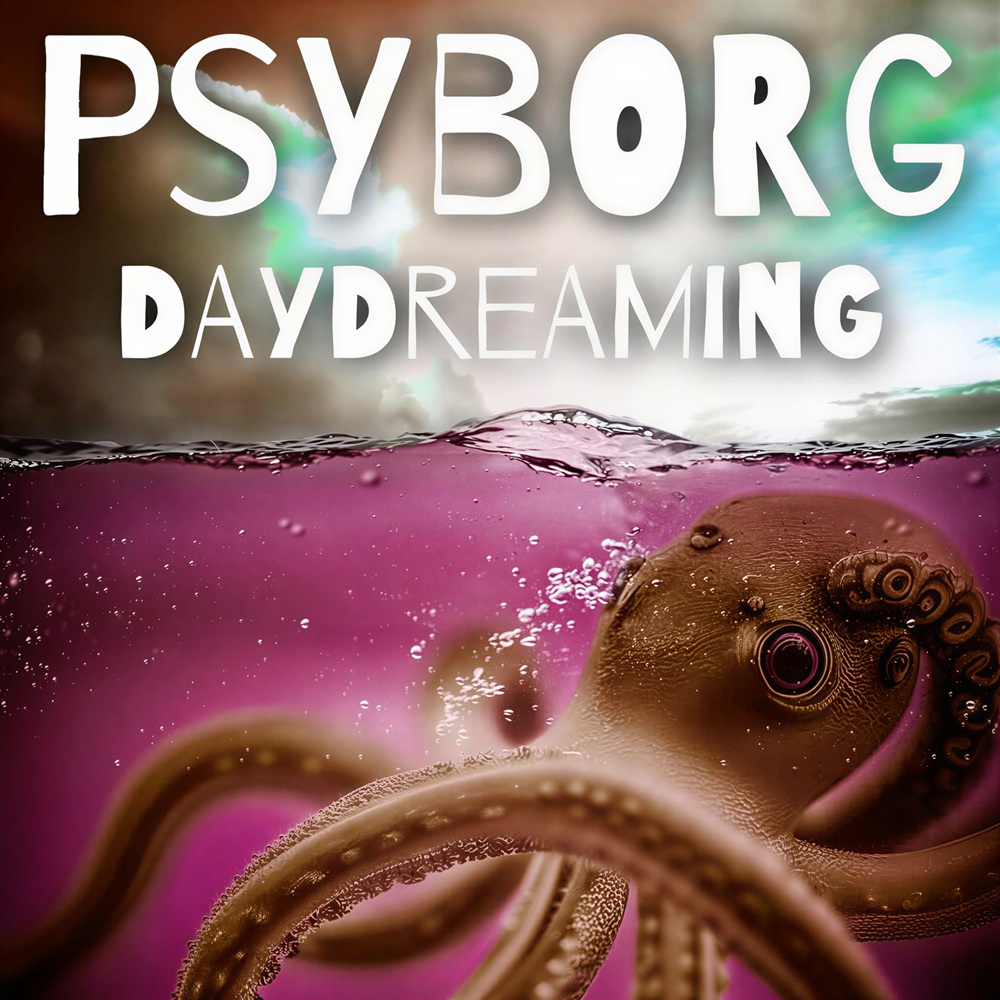
Psyborg Releases Dreamy Chillout Beach House Single “Daydreaming”

0

Dutch music producer Psyborg invites listeners to drift away from reality with the release of his soothing new single “Daydreaming”, a beautifully crafted chillout beach house track designed to melt stress and transport you straight to the ocean’s edge.

Warm ocean vibes, soft dreamy vocals, and smooth trumpet melodies intertwine to create the perfect sensation of watching the sun dip below the horizon by the sea. The gentle rhythm carries you into a relaxed state where time slows down, and thoughts float freely, the ultimate soundtrack for late-night drives, golden-hour beach moments, or simply getting lost in your own imagination.

“Close your eyes, breathe, and start Daydreaming,” says Psyborg.

Blending elements of chillout, lounge, and house, “Daydreaming” showcases Psyborg’s signature ability to craft immersive electronic soundscapes that flow effortlessly between pure relaxation and subtle rhythmic groove. The track is now available on all major streaming platforms, YouTube, and SoundCloud.

About Psyborg

Psyborg is a Netherlands-based music producer known for creating immersive electronic soundscapes that blend chillout, lounge, and house. His music offers the perfect balance between soothing relaxation and gentle rhythm, making it ideal for unwinding or setting the perfect vibe. Whether you’re seeking a moment of calm or an atmospheric backdrop for your day, Psyborg’s tracks deliver an effortless sonic escape.

KEPT IN THE SPACE BETWEEN US

0

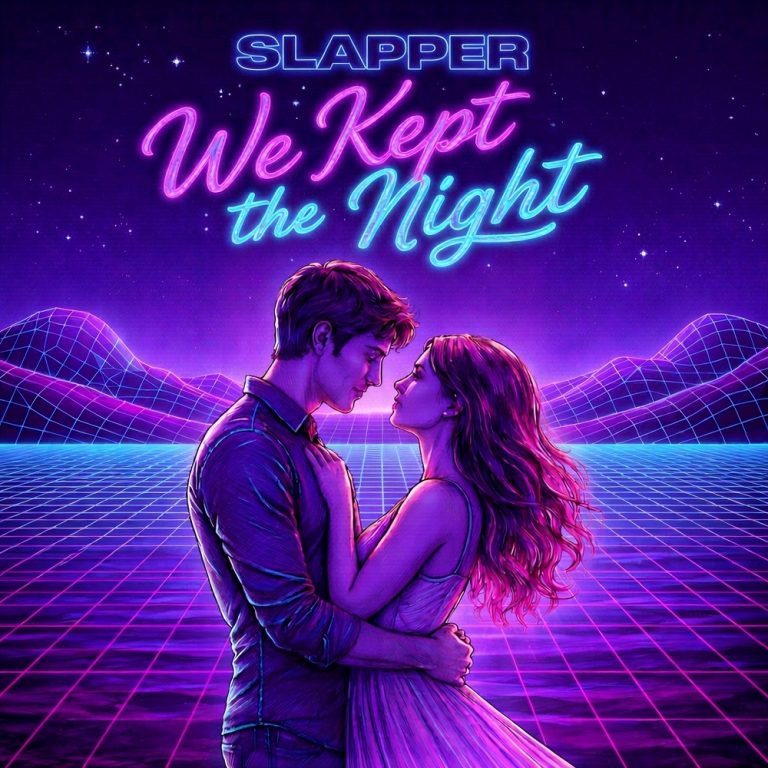
What if some moments don’t pass, they simply shift form? SLAPPER’s “We Kept the Night” seems to exist within that question, holding onto time rather than letting it dissolve. From the very beginning, the track feels less like a linear experience and more like a suspended one, where sound becomes a container for something that refuses to fade.

Built around a delicate piano motif, the song opens with a quiet emotional gravity before gradually expanding into a rich, cinematic soundscape. Nothing feels rushed; everything unfolds with intention. Synth layers emerge gently, arpeggiated lines weaving into a steady pulse that feels almost like a heartbeat: grounded, present, and deeply human. There’s a sense that the track isn’t building toward something, but rather revealing itself in layers.

At its core, “We Kept the Night” by SLAPPER explores memory not as something distant, but as something ongoing. These moments aren’t lost; they’ve simply transformed. The track holds onto them with quiet clarity, allowing them to exist in a space that feels both past and present. There’s no heaviness in this nostalgia; only a soft, luminous persistence.

The track resonates with the emotional landscapes of The Midnight, Pet Shop Boys, and M83, yet it never leans on imitation. Instead, SLAPPER turns inward, shaping a sound that prioritizes atmosphere and feeling. Warm synth textures stretch across the mix, supported by rounded basslines and crisp, unobtrusive percussion that keeps everything grounded without disrupting the dreamlike flow.

There’s no need for a defined resolution. The track circles, lingers, and gently repeats, mirroring the persistence of memory itself.

SLAPPER’s “We Kept the Night” doesn’t conclude, it skilfully transforms, continuing quietly in the space between what was and what remains..

A SHIMMERING SENSE OF ESCAPE!

0

With “Take Me Away” by Oliver Lane (Olivier Dunand), the atmosphere is set almost instantly. Oliver Lane’s “Take Me Away” opens with a clear sense of direction: rhythmic, luminous, and effortlessly immersive.
The track places you in motion. There’s no gradual unfolding, no hesitation; it simply begins, already alive. Synth lines ripple in with a kind of fluid urgency, carrying an infectious melody that feels both nostalgic and newly lit. You’re pulled into a soundscape that echoes the glow of the 80s and 90s, yet feels refined through a modern lens.
What makes the experience so compelling is its continuity. The rhythm runs steadily beneath everything, like the quiet hum of an engine, giving the track a constant forward motion. It evokes that specific feeling of driving through a neon-lit city at night: where lights blur, time softens, and everything exists somewhere between clarity and abstraction.
And yet, despite that movement, the track knows how to hold space. The production feels full without ever becoming crowded. Each element is given room to breathe, allowing the synths to shimmer with both brightness and warmth. There’s a subtle intimacy in that balance; it doesn’t overwhelm, it envelops.
The shift in the bridge becomes a defining moment. The energy pulls back, the drums soften, and suddenly you’re suspended, floating through the atmosphere the track has built. It’s a brief pause, but it deepens everything. When the rhythm returns, it doesn’t just resume; it lifts, carrying a renewed sense of momentum that feels more expansive than before.
There’s something quietly cinematic in the way it all unfolds. You don’t just hear the track, you begin to see it. Colors stretch, lights flicker, movement becomes texture. It’s immersive without trying too hard, evocative without being overwhelming.
“Take Me Away” by Oliver Lane (Olivier Dunand) feels less like a destination and more like a state you drift into; and that’s where Oliver Lane’s “Take Me Away” lingers, somewhere between motion and memory, where the glow is here to stay..

BETWEEN INSIDE JOKES AND UNFINISHED GOODBYES!

0

There’s an ease to “Whiskey Neat, Pickle Back” by JT Catalano that almost disguises its depth. It arrives casually, like a shared laugh, but stays with you like something much more personal.

The track doesn’t try to impress as much as it tries to include. It feels like stepping into a space already in motion: conversations mid-flow, laughter lingering, something unspoken sitting just beneath it all. And that quiet invitation becomes the core of its charm.

The song lives in that delicate space between inside jokes and unfinished goodbyes, the kind of emotional in-between we rarely name, but always feel. Sonically, it leans into warmth: acoustic textures that feel familiar, almost nostalgic, paired with a vocal delivery that moves with a steady, conversational rhythm. It’s not quite sung, not quite rapped, it’s shared.

What makes this track linger isn’t just its hook (though it lands with an effortless, almost communal ease). It’s the emotional weight tucked into seemingly light moments. “Valhalla, Wyoming” passes like a playful line, but carries something heavier underneath, a reflection of distance, of time, of friendships that stretch across space yet refuse to fade.

And that’s where “Whiskey Neat, Pickle Back” unfolds into something more than a sing-along. It becomes a quiet meditation on connection, the kind that survives absence, but still feels its impact. There’s a tenderness in how the song holds both the laughter and the distance, the ritual and the reality, without forcing either to resolve.

Knowing that JT Catalano shaped this track so independently, from writing to final production, only deepens that sense of intimacy. Everything feels intentional, yet unforced. The vocals remain front and center, almost like a direct conversation, while the instrumentation simply holds space around them.

It doesn’t try to belong to a single genre. If anything, it quietly sidesteps that expectation. Instead, it builds a scene, one that feels just as at home in a crowded bar as it does in the stillness of a late-night drive, when everything begins to settle.

“Whiskey Neat, Pickle Back” by JT Catalano leaves you with something warm, slightly unresolved, and deeply familiar. It leaves you somewhere between the joke and the goodbye..

Album: Soliloquy by ReeToxA

0

Some albums take years. “SOLILOQUY” took decades. Melbourne’s ReeToxA – fronted by Jason McKee, who has been sitting on this concept since 1997 – finally released the double album on March 22nd through their own ReeToxA Records. The pandemic killed the original plan to record their debut, so Jason spent Melbourne’s long lockdowns going through a lifetime of songwriting on a diet of cigarettes and coffee, eventually ending up in hospital for six weeks. What came out the other side is a 26-song double album produced and mastered by Simon Moro, featuring a Budapest orchestra on six tracks, and a band lineup that includes Kit Riley (Robbie Williams, Savage Garden), Peter Marin (Jet), James Ryan (Men at Work), Jessica McPherson-Riley on backing vocals, and Terry Hart on piano. It’s a lot, and it’s meant to be.

ReeToxA are redefining their sound with “SOLILOQUY”. Right off the bat, it sets itself apart from the Pine Salads era, with “ReeToxA” and “INSATIABLE” leading the charge into a much groovier rock sound, especially on the latter. The second half of “INSATIABLE” is so addictive, and the breakdown is executed with such power and rock grit that I listened to the song five times on repeat and proceeded to jam along to it with my guitar. But the grit doesn’t last the whole time, as expected with a double album meant to be listened to in its entirety as one continuous experience – the pacing can be judged almost like a movie or screenplay. We get a moment of relief with the deliciously melodic “AKAROA,” a classic ballad with all the elements that make a ReeToxA ballad great: chimey acoustic guitar, Jason’s warm vocals, and a melodic guitar solo to close it out.

“TRUCE” is a surprising song that closes the first third of the album. Tonally, it’s very different from anything else in their catalog, with the chorus featuring some uniquely dark harmonic movements and fresh synth textures supporting the main rhythm guitar that I haven’t really heard on a song of theirs before. It has that bigger-than-life quality with how intense the wall of sound accompanying the vocals in the chorus is. That’s immediately contrasted by folk ballad “JOSEPHINE” – it has to be intentional to put those two songs right next to each other. With its twinkling mandolin sounds, it’s the brightest song on the album so far.

“DEMAND PERFECTION” is another pleasant surprise. Its showtune elements are clearly inspired by big band jazz and funk, where the entire band does rhythmic stops for emphasis and to draw the listener into the song’s tagline. It’s then contrasted by a quiet ballad with a heartbreaking orchestra performance in “ERICA AND THE STARS.” The production here is very 2010s cinema, especially those ear candy arpeggiators in the background that help fill out the space.

“DRESS ME UP” is what I’d call a lean cut – no fat to trim, every element there for a reason, working perfectly in a tightly synchronized performance. Every melody flows into the next in perfect harmony, and that 80s-style melodic hook is supremely addictive. The song oozes brightness from the harmonic choices to the synths that complement it from a production standpoint.

The album ends with two anthemic ballads back to back: “STRONG” and “ALRIGHT.” In the former, ReeToxA nails the arena rock sound with great dynamic changes – from a delicate intro to a huge chorus with backup vocals that perfectly complement the emotional core of the song, the subtext of humans being stronger together. In the latter, it’s a more somber road trip ballad, like saying goodbye, which is fitting for the final track on such a colorful album.

What makes “SOLILOQUY” a genuine achievement isn’t just the scale of it – 26 songs, a Budapest orchestra, decades of songwriting finally committed to tape – it’s that ReeToxA pulled it off without the infrastructure that usually supports a project this ambitious. ReeToxA Records, their own imprint, bankrolled and released the whole thing independently. The range on display across these tracks, from the arena rock of “STRONG” to the folk lightness of “JOSEPHINE” to the cinematic sweep of “ERICA AND THE STARS,” is exactly what you’d expect from an artist who spent 30 years accumulating material and then had nothing left to do during a pandemic but finally shape it all into something. It shows.

A DAUGHTER’S VOICE BREAKING THROUGH SILENCE..

0

Before the lyrics even land, “Like Mother Like Daughter” by Tia Lamb builds a world, one where soft acoustic textures meet an undercurrent of quiet unease. It’s a space that feels both intimate and unsettled, drawing you in gently while hinting that something heavier is waiting beneath the surface.

As the song slowly reveals itself, that tension becomes its defining force. The acoustic guitar, delicate and almost fragile, anchors the track in something deeply human, while the subtle electronic elements stretch it into something more atmospheric, more psychologically charged. There’s a cinematic quality here, but it never feels distant. Instead, it feels close, like you’re inside the memory rather than observing it.

At the heart of “Like Mother Like Daughter” lies its emotional directness. Tia doesn’t dilute the story, she leans into it. The lyrics unfold like a necessary release, shaped by personal experience but delivered in a way that resonates far beyond it. You can sense the complexity of the relationship at its core: the quiet ache of absence, the lingering imprint of someone who shaped you, even in not being there.

Gradually, the track takes a darker turn. The production grows heavier and more textured, mirroring an internal shift. That transition feels intentional, like the moment where reflection sharpens into realization. Even the smallest details, the percussive taps on the guitar body, the faint static woven into the opening, deepen this emotional atmosphere. It’s not just about what’s being said, but how it feels to process it.

Vocally, a careful balance between restraint and release carries the performance. The verses feel controlled, almost measured, while the chorus opens up just enough to let the emotion break through. It’s this contrast that gives the hook its staying power; it lingers not just melodically, but emotionally.

Beyond its personal narrative, the track reaches into something wider. It speaks to the experience of growing up shaped by complicated parental dynamics, and the quiet ways those experiences echo into adulthood. It’s a song that resonates across generations, inviting both reflection and recognition.

Within the intimacy of a university bedroom recording, “Like Mother Like Daughter” holds onto a sense of safety, the kind of space where honesty can exist without performance; and that authenticity is exactly what Tia Lamb delivers: something unpolished in the best way, emotionally precise, and quietly powerful..

A SOUNDTRACK FOR COLLECTIVE AWAKENING!

0

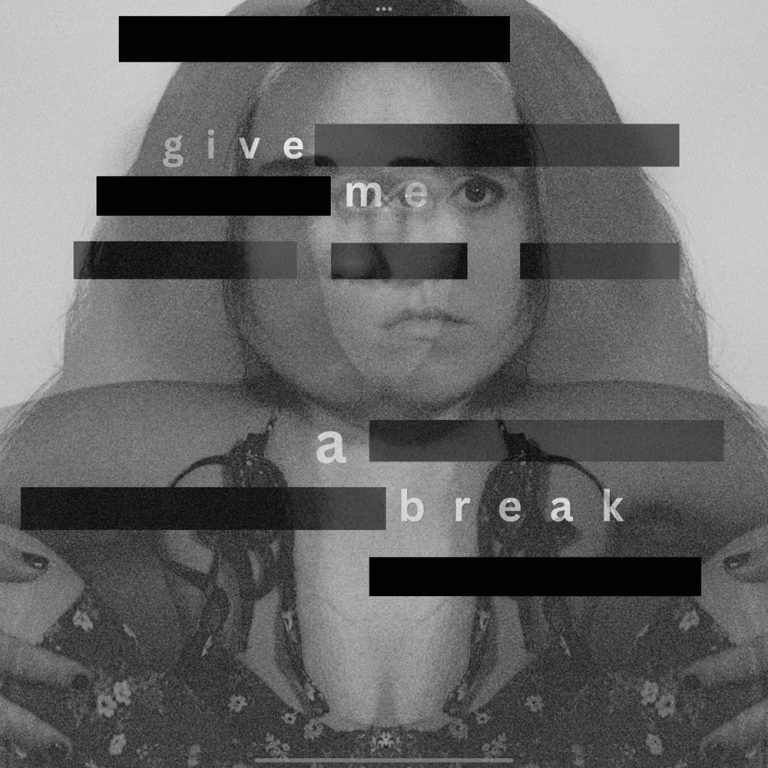
Bailey Grey’s “Give Me A Break” feels like a response to something larger than music. Rooted in a moment of collective awakening, the track opens with “Am I lucid?,” a question that echoes far beyond the song itself. In Bailey Grey’s “Give Me A Break,” personal confusion and societal reality blur into one.
There’s something deceptively soft about the production. Floating in that alternative pop/dream pop space, the track leans into restraint: subtle textures, minimal beats, and a voice that almost refuses to rise. But that’s exactly where its power lives. Inspired in part by the stark emotional directness of Billie Eilish, Grey creates a sonic tension where calm doesn’t equal peace; it signals pressure.
The track doesn’t hesitate to go there. It names what’s often avoided, cutting through illusion with lines like “Fame / Power / Money / Greed / Never did sit right with me,” a blunt dismantling of the systems we’ve normalized. And then it sharpens further, turning inward and outward at once: “Women are having to carry the burden alone / Yet again”. There’s no metaphor to hide behind here, just a clear, uncomfortable truth laid bare.
What makes this release hit harder is its intention. The repetition of “Give me a break” isn’t just a hook. It’s exhaustion, resistance, and refusal all at once. When Grey sings “All you do is take, take, take”, it lands like an accusation, not just a lyric. Bailey Grey doesn’t package the message for comfort; she lets it remain jagged, unresolved, and emotionally exposed.
Sonically, this feels like a turning point. Known for bending genres, Bailey Grey leans further into experimentation here, stripping everything back so the meaning cuts deeper. Even the more jarring lines, “The call is coming from inside the house,” feel intentionally placed, like sudden flashes of clarity in an otherwise hazy emotional landscape.
And beneath it all, there’s purpose. This isn’t just commentary, it’s confrontation. A call to question, to notice, to stop absorbing without reacting. The weight of lines like “How do you think we feel when we find out our whole world’s a lie?” lingers long after they’re sung, refusing to settle.
Bailey Grey’s “Give Me A Break” doesn’t resolve; it stays with you. It echoes in that final sense of unrest, of something unfinished, something still demanding to be faced. Some songs are meant to comfort. Others are meant to wake you up. Bailey Grey’s “Give Me A Break” chooses to awaken, and it does so without ever needing to raise its voice!

WHISPERS LOUDER THAN FATE!

0

From Tampa, Florida, Lisa Jo’s Whispers doesn’t arrive quietly, even if it sounds like it does. Built from a life marked by illness, loss, and reinvention, the album feels like a reclamation; a former nurse supervisor who lost her voice and survived dual cancers, Lisa Jo now writes, produces, and shapes her music from a place where survival is no longer a backdrop, it’s the foundation. And as “Whisper Voices of Rebellion” opens the record, Whispers immediately reveals its paradox: this is an album that refuses to be small!

What defines Whispers is its discipline. Rather than leaning into dramatic crescendos, Lisa Jo constructs a world of restraint: soft piano lines, ambient pads, and delicate harmonic movements that sit somewhere between confession and reflection. The album flows as a continuous emotional landscape, where transitions feel like shifts in thought rather than separate tracks. It’s immersive in a subtle way, placing you inside the music rather than performing outwardly for you. Here, silence isn’t absence; it’s intention.

“Whisper Voices of Rebellion (feat. Stacey Swift)” sets that tone with controlled tension. Built on a mid-tempo foundation, the track explores rebellion as something internal rather than explosive. Lisa Jo’s low, restrained delivery contrasts with Stacey Swift’s brighter, more assertive tone, creating a dialogue between resistance and surrender. The harmonies expand just enough to lift the track without ever breaking its meditative core. It’s not a protest, it’s a negotiation within the self.

The emotional weight deepens with “Whisper Words of Sorrow (feat. Tori Sue)”, one of the album’s most affecting moments. Anchored in a slow, piano-led arrangement, the track unfolds with a sense of inevitability. Lisa Jo’s breath-driven phrasing leaves space for grief to linger, while Tori Sue’s richer tone intensifies the emotional pull rather than resolving it. The absence of rhythmic urgency allows the song to float, suspended in its own vulnerability. It doesn’t try to move forward; it stays, and in staying, it resonates.

At its most minimal, “Whispers of Silence” becomes the album’s still point. With almost no percussion, it abandons structure in favor of atmosphere, letting pauses and negative space carry emotional weight. Lisa Jo’s soft, head voice stretches across the track with careful control, turning silence into something tangible. It’s less a song than a moment of complete inwardness.

A shift arrives with “Whispers of Song”, where gentle rhythm and warmer tonalities begin to reintroduce movement. Acoustic textures and a more defined structure give the track a sense of grounding, suggesting emergence rather than resolution. It’s one of the album’s more accessible moments, but it still holds onto the emotional precision that defines the project.

Closing with “Whisper of Worship (Where I Began and Where I Always Return)”, Lisa Jo leans into reflection with quiet conviction. Stripped back and warm, the track feels like a return rather than an ending: devotional, centered, and unforced. It doesn’t resolve the album’s tensions so much as accept them.

Lisa Jo remains remarkably controlled throughout. She avoids excess, favoring breath, phrasing, and space over technical display. Her performance often feels like an internal monologue, with layered harmonies acting as echoes rather than embellishments. It’s this restraint that allows the emotional weight of Whispers to build gradually, pulling the listener deeper with each track.

Whispers is defined by its authenticity. Lisa Jo, now an independent songwriter, producer, and CEO building her own imprint, transforms profound personal hardship into a cohesive sonic language. This is not an album chasing attention; it’s one that understands the power of holding back!