

Home Blog Page 45

THE GENTLE PERSISTENCE OF AN UNFINISHED SELF

0

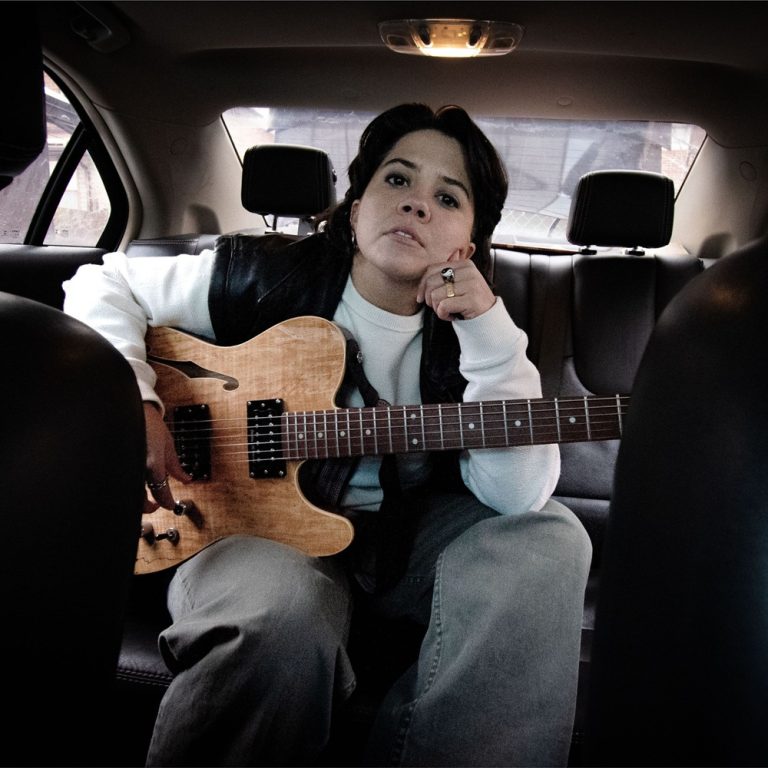
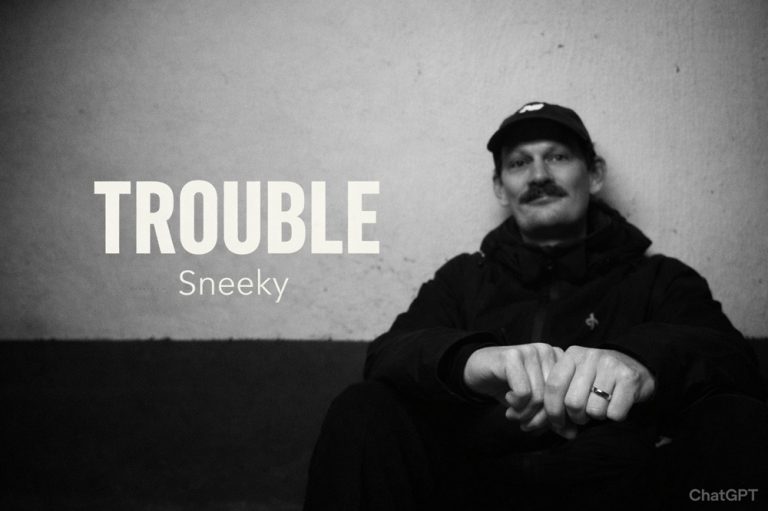
Some songs arrive fully formed, polished, and resolved. Others choose a different path; they linger in the in-between, where growth is still ongoing, and clarity remains just out of reach. In “Trouble,” Sneeky leans fully into that space, offering a piece that doesn’t seek resolution so much as it inhabits the process itself.

The arrangement embraces restraint. A steady acoustic guitar line forms the backbone: simple, quietly memorable, and intentionally unembellished, creating room for the vocal to unfold with disarming sincerity. There’s a palpable closeness to the sound. Nothing feels distant or overly refined; instead, the recording carries the texture of its homegrown origin, where rawness becomes part of the emotional language rather than something to be polished away.

Lyrically, the song turns inward, tracing a deeply familiar tension: the desire to become better, constantly meeting the reality of one’s own shortcomings. It resists dramatization. There is no grand arc of redemption here, only an honest recognition of flawed thoughts, fleeting judgments, and the quiet effort to rise above them. That restraint gives the writing its weight. It trusts the listener to sit within that discomfort, rather than resolving it for them.

The vocal delivery follows the same philosophy. There’s a sense that each line is being lived in real time, not performed at a distance. The voice carries a kind of unfiltered immediacy, echoing a lineage of artists who privilege emotional truth over technical precision. It feels less like a presentation and more like an admission.

The track’s closing section gradually widens in scope. The outro unfolds with a subtle expansiveness, allowing the song to breathe beyond its earlier intimacy without losing its grounding. It doesn’t resolve the tension so much as it releases it, leaving a lingering openness in its wake.

“Trouble” by Sneeky doesn’t aim to offer answers. It stays with the questions, with the unfinished, the uncertain, and the quietly persistent. It captures something that feels both personal and universal: the sound of becoming, still in motion..

KEEPING THE UNCOMFORTABLE ALIVE!

0

With “Drag Me by the Hair,” 50mething enters with a clear sense of intent. This is not music designed to comfort, but to confront. From the outset, the track positions itself as a response rather than an escape, shaped by urgency and grounded in lived awareness.

The opening line, “when I bleed, I know I’m safe,” immediately draws the listener into a space that feels both intimate and uneasy. There is no gradual build; the emotional weight is present from the first moment. Written in reaction to the overturning of Roe v. Wade, the song holds tightly to its subject, exploring the fear and loss of agency that followed, without softening its edges.

Sonically, the track leans into a more percussive, almost playful energy, an unexpected contrast to its thematic weight. Rhythmic elements take the lead, creating a forward motion that feels alive, even restless at times. There’s a subtle sense of bounce within the arrangement, as if the music resists sinking entirely into heaviness. This interplay between rhythmic vitality and emotional gravity gives the track a distinct character, allowing tension to coexist with movement.

50mething delivers with control and intention. The performance avoids excess, instead carrying a restrained urgency that gradually unfolds into something firmer. This balance between vulnerability and resistance gives the track its emotional clarity: never overstated, yet deeply felt.

There is also a distinct weight to the perspective behind the music. Coming into the industry later in life, 50mething brings a voice shaped by experience rather than trend. The home-recorded setup adds to this immediacy, preserving a sense of closeness that enhances the song’s impact.

With “Drag Me by the Hair,” 50mething offers more than a statement. The track lingers in its discomfort, refusing easy resolution and asking the listener to remain present. In doing so, it becomes a reminder that music can still hold space for what many would rather forget..

A PRAYER CARRIED ON A BREATH OF MELODY

0

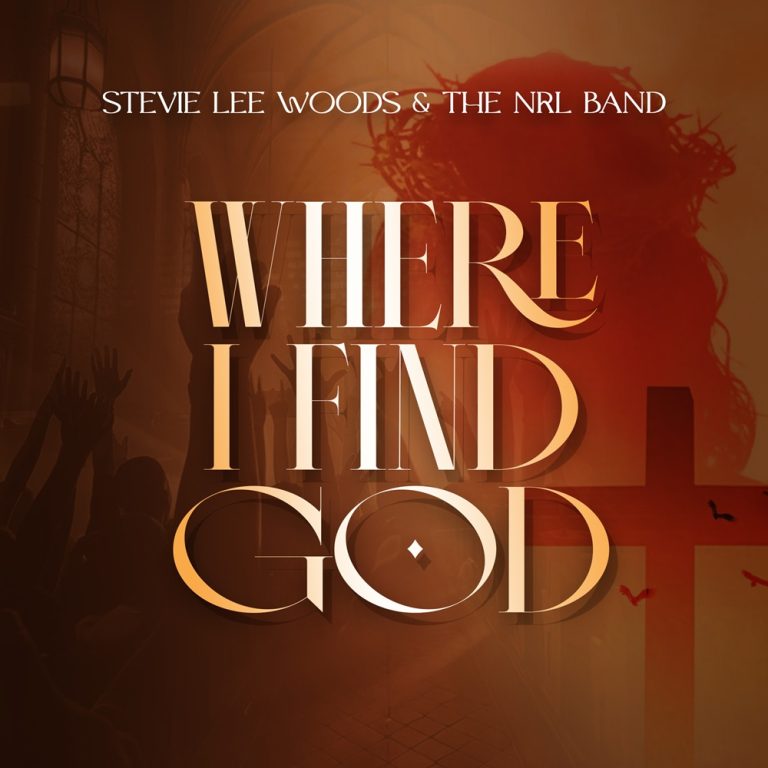
With “Where I Find God,” Stevie Lee Woods & The NRL Band offer a rendition that feels less like a performance and more like a quiet arrival. The song unfolds gently, carrying its message with a kind of emotional ease that invites rather than insists. Rooted in country gospel yet unconfined by it, this version leans into sincerity, allowing the spiritual core of the track to emerge without excess.

Originally written by Larry Fleet, “Where I Find God” is reimagined here through a lens of lived experience. Woods approaches each line with calm assurance, his voice steady and unadorned, giving the impression that the meaning is being discovered in the moment. There is no rush to impress, only a careful attention to feeling.

The NRL Band supports this approach with tasteful restraint. Their instrumentation creates space rather than filling it, while Devin Callahan’s harmonies add warmth without shifting the center. Recorded between Mansion Studios in Branson and sessions in London, the production, guided by Chris Omartian and Stuart Epps, balances clarity with intimacy, polish with presence.

What stands out most is the song’s quiet conviction. It doesn’t attempt to define faith; it simply gestures toward it, locating it in the ordinary and the overlooked. In that sense, Stevie Lee Woods & The NRL Band’s “Where I Find God” becomes more than a cover; it becomes a moment of stillness, gently held and deeply felt..

THE ARCHITECTURE OF A FLEETING HOUR

0

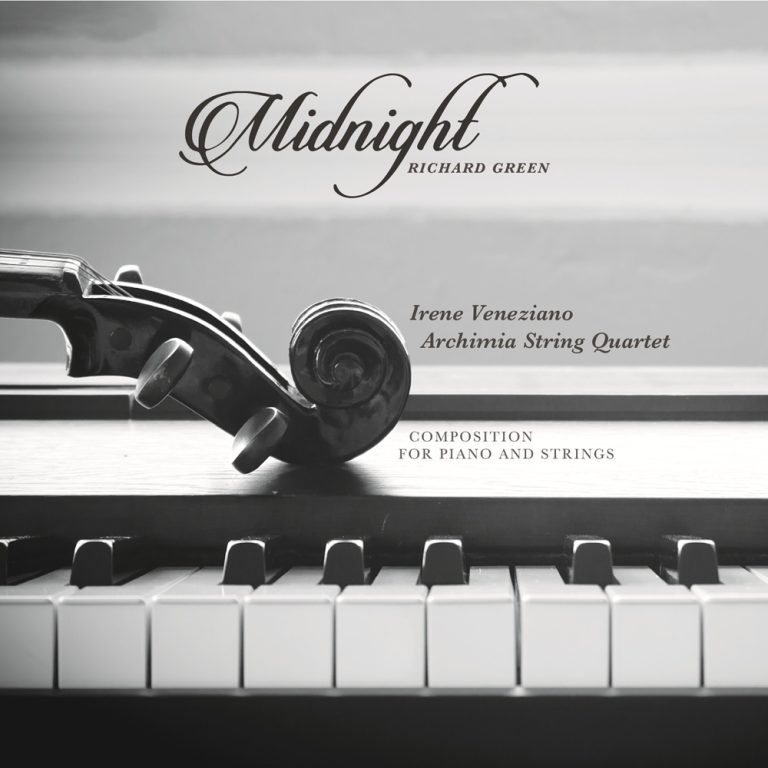
There is a quiet kind of precision in Midnight, the kind that doesn’t draw attention to itself, yet shapes everything you feel as you listen. Richard Green approaches the piece with a sense of patience, allowing it to unfold gradually, almost as if time itself is being stretched and observed rather than simply passed through.

The opening is understated, but not empty. The piano enters with clarity and restraint, each note placed with intention, leaving space around it. When the strings arrive, they don’t disrupt this stillness; they deepen it. There’s a sense of expansion, as if the music is slowly revealing its inner layers rather than presenting them all at once.

What’s striking is how the composition handles tension. It doesn’t rely on obvious climaxes. Instead, it leans into subtle harmonic shifts and slight deviations from expectation. The result is a quiet unease that feels deliberate, even necessary. You begin to sense that the piece is less about resolution and more about staying within the question.

As it develops, the dialogue between piano and strings becomes more fluid, more exploratory. There are moments where the harmony feels almost suspended, neither fully grounded nor entirely dissonant. This in-between space is where the piece seems most alive. It invites you to listen closely, not for answers, but for nuance.

A brief return to the piano alone creates a moment of inward focus, before the full arrangement re-enters with a subtle transformation. Nothing is dramatically altered, yet everything feels slightly shifted; more settled, but also more aware of its own fragility.

There’s also a quiet blending of influences at play. While the foundation is clearly neoclassical, there are gestures that echo beyond it, phrasing that hints at jazz, textures that feel almost cinematic. These elements are never overstated; they simply exist within the fabric of the piece, giving it a broader emotional range.

In Midnight, Richard Green seems less concerned with guiding the listener and more interested in creating a space where something can be experienced on its own terms. It’s a composition that trusts its own pacing, its own silences.

And by the time it fades, Midnight by Richard Green leaves behind not a conclusion, but a feeling: quiet, unresolved, and gently persistent, like a moment you didn’t realize mattered until it had already passed.

L.O.U. & Big O Drop Feel-Good Hip-Hop Anthem “Rain Before Sunshine” Feat. Frannie EL, Fashawn, Dray Taylor, Kria Mckenzie & Decksterror – The First-Ever Collaboration Between All Five Artists

0

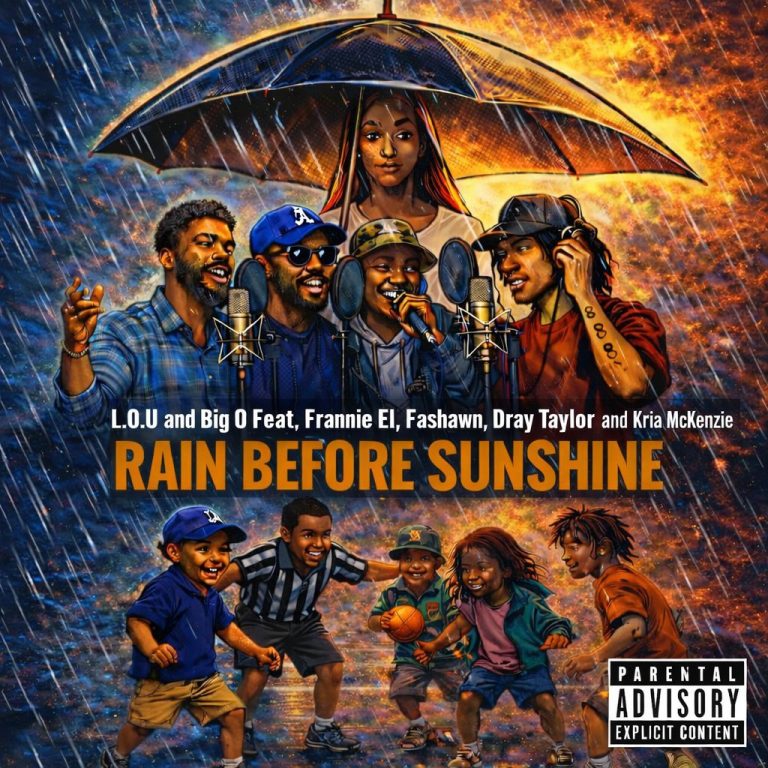
L.O.U. & Big O deliver the second single from the highly anticipated collaborative album, The Mystery of Mr. Y.N.M.A.S. (arriving later in 2026), with the uplifting new track “Rain Before Sunshine”, featuring an all-star cast: Frannie EL, Fashawn, Dray Taylor, Kria Mckenzie, and Decksterror.

In a genre that too often dwells in darkness, “Rain Before Sunshine” brings exactly what the world needs right now: feel-good hip-hop that still keeps it real. The record captures the struggles and hardships that come with chasing purpose in life, while delivering a powerful reminder that nothing lasts forever — there’s always light waiting at the end of the tunnel.

This marks the first time these five respected voices have come together on one record, creating a rare moment of unity and shared energy that fans are already calling a standout collaboration of the year.

“Rain Before Sunshine” is available now on Spotify and Bandcamp.

Stream “Rain Before Sunshine” and let the light in.

About Big O & the Project

Big O continues to push boundaries with The Mystery of Mr. Y.N.M.A.S., a collaborative album that brings together some of the most authentic voices in hip-hop for music that inspires, heals, and reminds listeners that better days are always ahead — even after the rain.

Elina Filice Returns with Anthemic Indie-Pop Single “These Days” – A Bittersweet Ode to Long-Distance Love After Three-Year Hiatus

0

After an almost three-year hiatus, Canada’s Elina Filice makes a powerful return with her new single “These Days”, out today via Red Vine Records.

Written about the pain and longing of a long-distance relationship, “These Days” captures the constant feeling of running out of time. Sparse, emotive verses build into an electrifying, scream-along hook that shimmers with hope and yearning. The steadfast rhythm and instantly memorable melodies perfectly reflect the push-and-pull of leaving your heart in another place — never fully here, never fully there.

“In a long-distance relationship, the future is all you have,” says Elina Filice. “So the song is about the necessity of believing the future will be better. The present is filled with loneliness and pain. You grasp onto every small moment and hold it close to you, to get through the times apart. There’s a constant feeling of running out of time. You really have to believe that at some point, you’ll have all the time in the world.”

Her first release in two years, “These Days” balances bittersweet hope for tomorrow with the raw pull of today — “constantly on the run, always unsettled, relying on memories and anticipation of the next visit, and yearning for a time where you’ll just have more time.”

Following the international success of her previous single “Thinking of You” (which earned official Spotify Editorial support and surpassed 1 million streams), “These Days” marks a bold new chapter for the Toronto-based artist.

Listen to “These Days” now on all major streaming platforms.

About Elina Filice

Elina Filice is a singer, songwriter, and storyteller known for songs that defy genre and interactive live performances. Her music is soulful and melodic, drawing influence from blues and spoken word. Now based in Toronto, Elina has entertained audiences across three continents. Her work has received critical acclaim, worldwide airplay, and official Spotify Editorial support.

A strong advocate for queer visibility, Elina regards music as a powerful tool for the queer community. She is also the founder of music marketing startup Drop Rocket, which empowers independent artists through innovative project management software.

Happiness as Defiance: Paul Louis Villani Drops Raw, Unpolished Blues Single “Makes Me Happy”

0

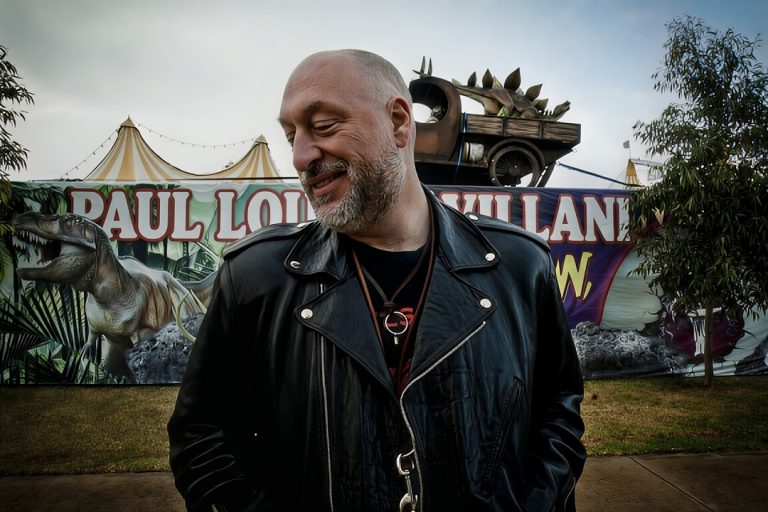
Melbourne songwriter Paul Louis Villani releases Makes Me Happy, a raw acoustic blues recording that treats happiness not as a reward for healing, but as an act of defiance.
There is no studio gloss here. No layered production designed to distance the listener. The track was built around a single idea: presence. Guitar, voice, breath. What happened in the room remains in the recording. Lyrically, the song moves through strange imagery and private logic. It does not explain itself. It does not resolve neatly. Instead, it proposes something simpler and more confrontational: happiness can be chosen, even when damage remains. Villani has long resisted genre containment.

Across his catalogue, he moves freely between blues, rock, metal, electronic textures and experimental production. Makes Me Happy is not a pivot or reinvention. It is another facet of an artist who refuses creative confinement. Eclecticism is not a strategy. It is his baseline. In an era obsessed with polish and perfection, Makes Me Happy leans toward imperfection as authenticity. The creak of the room, the friction of fingers on strings, the slight fracture in the vocal tone. These are not flaws. They are evidence. The track is available now on all streaming platforms.

About Paul Louis Villani

Paul Louis Villani is a Melbourne multi-instrumentalist and producer who thrives on instinct and experimentation. His sound bends freely across genres — funk, metal, hip-hop, and art rock — creating something raw, vibrant, and impossible to imitate.

Every track feels like movement in real time. The bass hits with purpose, the words cut close to the bone, and the rhythms twist toward something new. Villani builds songs that feel lived-in, driven by emotion rather than polish, shaped by curiosity rather than trend.

In the studio, he treats sound as a living force. Grit, humour, and intensity merge into something deeply human.

His upcoming album Fully Unchained Creativity, Kinetically Overriding Fossilised Frameworks (F.U.C.K.O.F.F.), arrives in November 2025 and captures his boldest work yet — music that breaks patterns, questions comfort, and pushes creativity beyond the edge.

Villani’s art doesn’t aim to please. It aims to connect, provoke, and remind you that real sound still breathes.

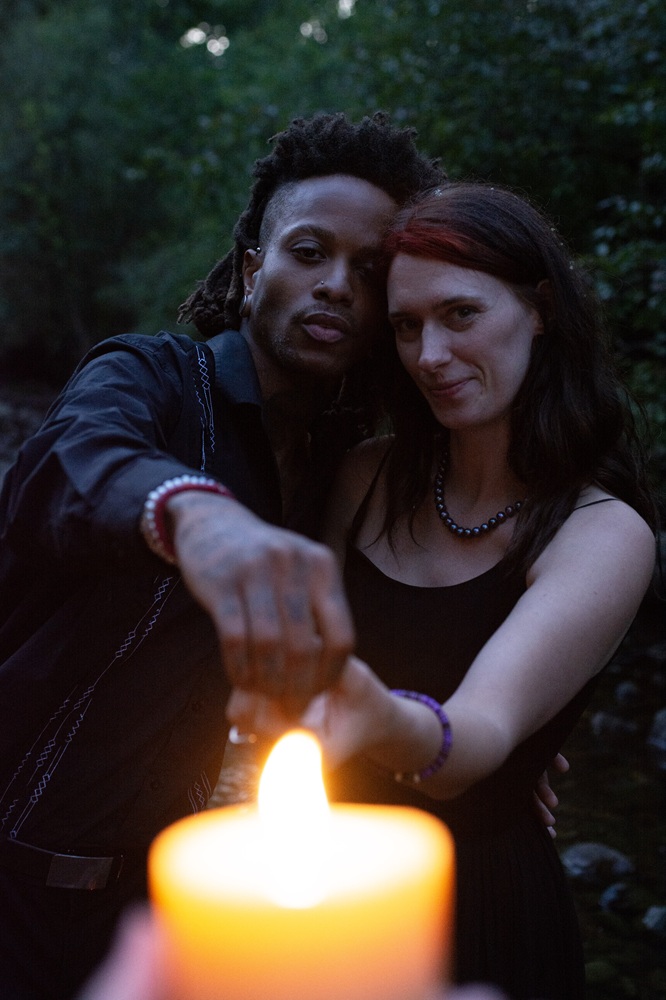
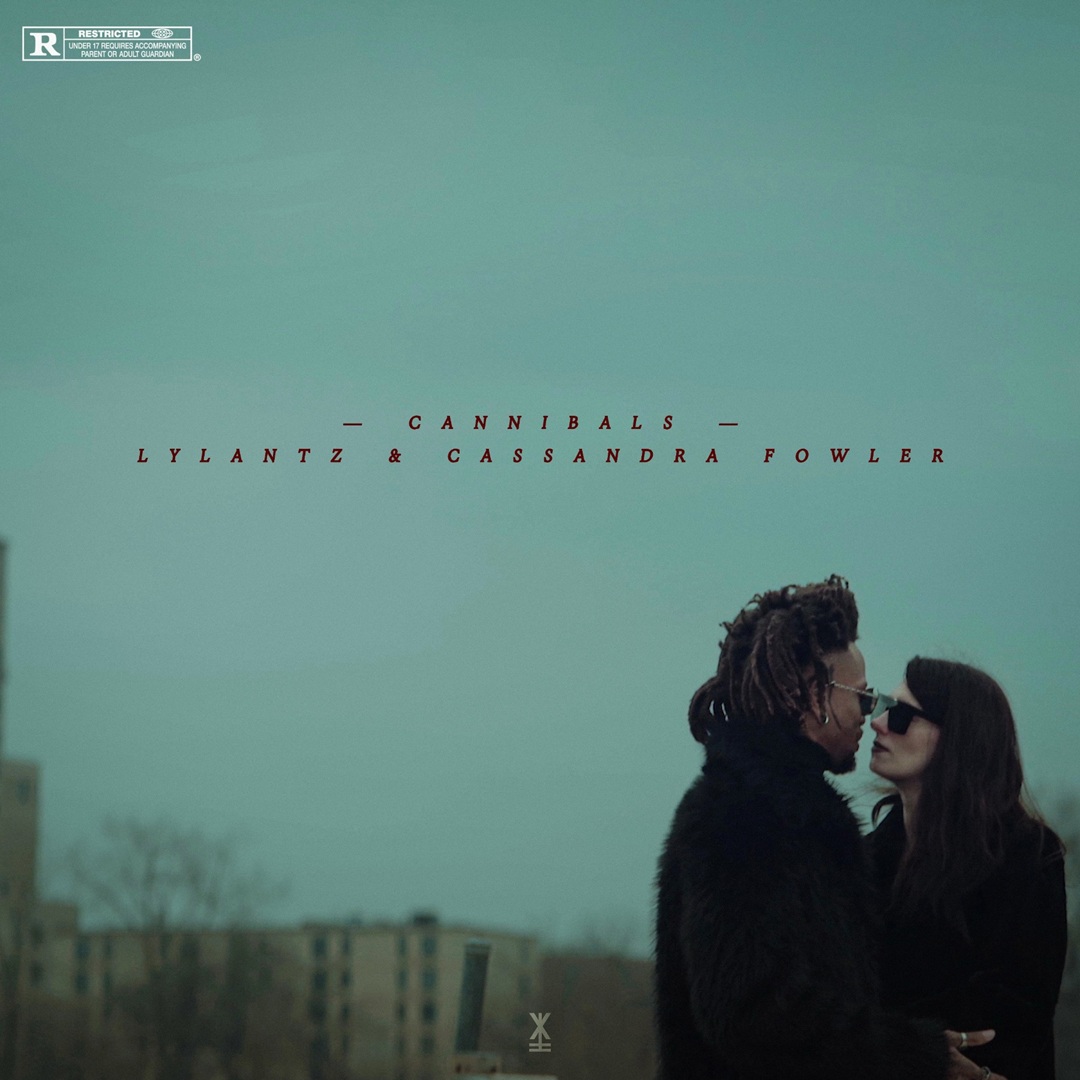
Lylantz & Cassandra Fowler Premiere Cinematic Gothic Single “Cannibalism: Rituals of Desire (Cannibals)” from 9th Album “ZERO”

0

Lylantz (At-N “Lylantz” Ausara-Lasaru) and his wife Cassandra Fowler unleash their haunting new cinematic single and music video “Cannibalism: Rituals of Desire (Cannibals)” — the lead track from Lylantz’s highly anticipated 9th album ZERO, set for full release on Friday the 13th, March 13, 2026.

Driven by Gothic, horror, and vampirical themes, the release dives into the depths of human desire and the bloodlust that fuels empowerment. Through the philosophy of transmutation, the duo explores turning darkness into light, pain into glory, and suffering into liberation. “Cannibalism: Rituals of Desire (Cannibals)” is a ritual of self-actualization — where energy becomes the ultimate power source for transcending boundaries and embracing the occult as a guide toward salvation.

“It shows the bloodlust behind rising up in this world,” explains Lylantz. “To embody one’s carnal desire: to consume. Using such as a vehicle to catapult oneself towards sovereignty.”

The track and expansive music video were produced, mixed, mastered, filmed, directed, and edited by Lylantz, with Cassandra co-directing and co-filming. Shot across Illinois and Michigan with a large cast of friends and family, it tells a Gothic love story of two souls rising from humble beginnings to power and prosperity. Filmed on a 75mm anamorphic SIRUI lens for an ornate cinematic feel (inspired by classics like The Godfather), the visual weaves dark western and Italian/Argentinian influences into an operatic, thrilling experience.

This single continues the narrative from Lylantz’s earlier track “Cannibal,” deepening his dark folkloric universe. As self-described “lifestyle artists,” the couple blurs fantasy and reality — proving their art is a living extension of their everyday existence.

ZERO — Lylantz’s 9th album — arrives Friday the 13th, March 13, 2026, delivering a full immersion into his genre-fluid world of Rock, Hip-Hop, Classical, Folk, and Metal. A connoisseur of horror and obscure media, Lylantz speaks directly to society’s Black Swans — the daring, misunderstood, and formidable — challenging the psyche to find beauty in the madness and light born from darkness.

“Cannibalism: Rituals of Desire (Cannibals)” is available now on all major streaming platforms and YouTube.

About Lylantz

The North-American polymath At-N Ausara-Lasaru (Lylantz) is a master of haunting storytelling. Influenced by Edgar Allan Poe and Dean R. Koontz from a young age, he crafts works across music, filmmaking, photography, and prose that explore psychological depths and the transformative power of the shadow self. His sound — Gothic in nature, poetic in approach — merges classical and Victorian aesthetics with modern edge in an organic, genre-fluid style.

Together with wife Cassandra Fowler, they form a dynamic creative force, building a shared universe where individual stories converge into artistic brilliance.

The Ingrid Unveil Emotionally Oblique New Single “Mother” – Intimate, Unresolved, and Quietly Defiant

0

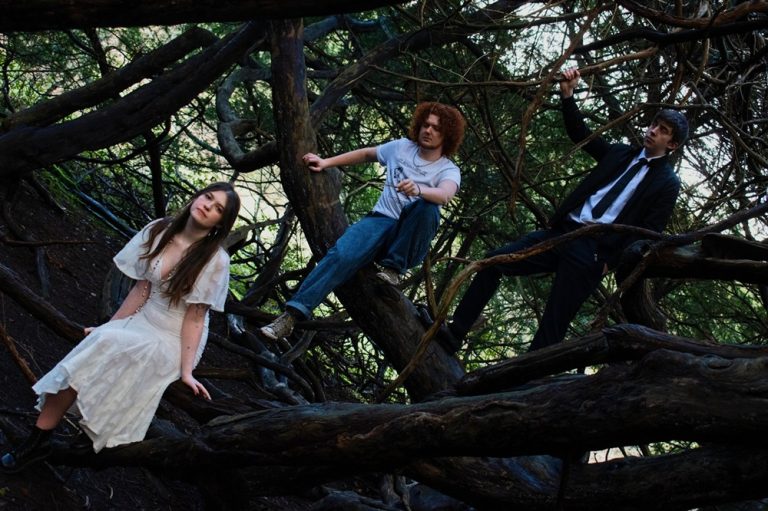
Following the acclaimed debut single “Limerence,” The Ingrid returns with “Mother,” an intimate and emotionally oblique track that explores memory, ambiguity, connection, and the quiet tension between closeness and distance. Produced once again with legendary producer Greg Walsh, the single is released today and continues the band’s mission of creating music that reaches out to connect.

“Did I ever know you? Is that a fair review?”

sings Jess Charleslyn (vocals, keys, guitars), capturing the song’s heart in just two lines. “Mother” trusts subtlety over spectacle — intimate rather than dramatic, unresolved rather than declarative. It sits comfortably in emotional ambiguity while remaining deeply human.

The Ingrid’s songwriting was forged during lockdown when the band were still schoolkids. Music became their way to process fear, anxiety, and experience with honesty and precision. That same clarity runs through “Mother.”

Josh Platt (drums, vocals) brings narrative structure and pacing informed by his filmmaking background, treating rhythm as emotional guidance rather than mere propulsion. Guitarist Will Hornsblow adds instinctive, dreamlike textures and blues-inflected space within the band’s shoegaze-leaning framework.

Beyond the music, The Ingrid operates as both a band and a living collective. They are openly critical of a bloated and unfair industry and actively advocate for creative disruption. Every collaborator becomes part of The Ingrid Collective — an evolving network that believes music is never made in isolation and that credit and visibility matter.

The Ingrid are not a gimmick. They are a band delivering music with purpose, wit, and quiet defiance — wrapped in a story that dares to disrupt while never losing sight of what matters most.

“Mother” is available now on all major streaming platforms.

About The Ingrid

The Ingrid are a UK band driven by the search for emotional connection through music. Fronted by Jess Charleslyn and completed by Josh Platt and Will Hornsblow, their sound fuses honesty, texture, and narrative depth. They build an inclusive, creative collective that challenges industry norms while staying true to human connection.

AN ANTHEM FOR THE ONES WHO STAY, UNSEEN BUT UNSHAKEN!

0

With “Closer Than You Know,” Sam Ostler delivers a track that feels immediate in its intent: clear, focused, and emotionally grounded from the outset. It settles into a familiar pop framework, yet carries a sense of purpose that gives it more weight than a standard commercial release.

The production follows a clean, intentional arc. It opens with a restrained arrangement, piano and subtle electronic textures, before gradually expanding into a fuller, more elevated chorus. The transition is measured rather than dramatic, allowing the song to grow without losing its sense of control. It’s a recognisable build, but handled with enough care to remain engaging.

Vocally, Sam Ostler keeps things contained. There’s a sense of precision in his delivery: nothing exaggerated, nothing overstated. This restraint works in the song’s favour, giving the lyrics space to come through with clarity and consistency.

At its core, the track reflects on constancy. Not the kind that asks to be seen, but the kind that simply exists: steady, supportive, and often overlooked. The writing stays accessible, yet it taps into something widely relatable: the quiet realisation that some of the most important people in our lives are also the least visible.

What ultimately holds the track together is its balance. It leans into a commercial pop structure while maintaining a more controlled emotional tone. It doesn’t try to overwhelm; it stays within its range and refines it.

With “Closer Than You Know,” Sam Ostler shows a clear understanding of his space, working within the form confidently, and shaping a track that connects without needing to overreach.