

Home Blog Page 56

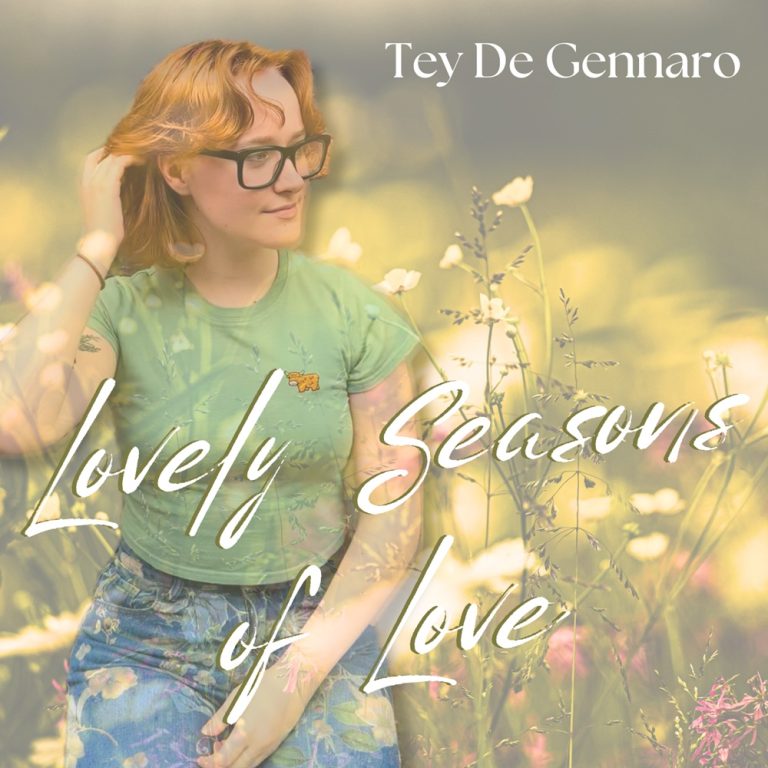
Lovely Seasons of Love by Tey De Gennaro

0

THIS IS A SONG ABOUT LOVE, TIME, AND THE WARMTH OF STILLNESS!

In a music landscape cluttered with disposable hooks and emotional shortcuts, Tey De Gennaro emerges with a tender triumph in “Lovely Seasons of Love,” a track that feels less like a pop song and more like a keepsake unearthed from a long-lost letterbox.

Rooted in the soft soil of indie pop and indie folk, the song unfolds with grace, patience, and orchestral poise. Sweeping strings, elegant piano lines, and a gentle, steady vocal delivery come together to paint a portrait of love not as a fleeting rush, but as something slow-growing, intentional, and real.

There’s a cinematic tension to the arrangement, but it never spills into melodrama. Instead, Tey opts for a palette of muted golds and dusky violets, moments that linger like the smell of rain on warm pavement. You can hear the craft in every note, but more importantly, you can feel the heart behind it. It’s not just well-written; it’s deeply lived.

Much like the seasons the song draws from, “Lovely Seasons of Love” moves in quiet shifts: blooming, fading, circling back. The lyrics avoid the usual tropes of grand declarations, choosing instead to spotlight the quieter rituals of love: the small glances, the timing, the rightness of it all. It’s a slow dance rather than a fireworks show.

This emotional restraint is what gives the song its staying power. Tey doesn’t just tell us about love: the artist invites us to remember it, to re-feel it. And in doing so, they craft something rare: a love song that’s not about possession, but about presence.

It’s clear that this track is a significant chapter in Tey’s growing story, a story that began in Nashville at just 12 years old and now speaks with the clarity and depth of someone who’s learned to trust their artistic instincts. Their journey from GarageBand demos to fully realized orchestral pop is not just impressive, it’s indeed inspiring! 

Hey Mr. DJ, Turn it Up by Miss Giulls

0

Miss Giulls’ latest release, “Hey Mr. DJ, Turn it Up”, released last June, is a much-welcomed buzz. Based in Italy, the song, as Miss Giulls’ earlier work, shares little with traditional pop Italian music and much more with Mid 80s Chicago, New York and Detroit, where House Electronic Pop lived its peak moments in discos everywhere, all dropping the beat to  J.M. Silk, House Master Boyz, and the Rude Boy of House. 

Though the song flirts with Pop House, it remains much more faithful to traditional electronic dance music, with lesser focus given to vocals and, to a smaller extent, melody. That doesn’t mean that it comes without its own catchy melody; only that, in regards to traditional characteristics of pure House, this release’s core is the driving minimalist basslines and four-on-the-floor beat. It isn’t as aggressive as pure electronic pop, but rather features a fluid, easily-appealing, and radio-friendly composition. 

Written, mixed & mastered, and produced by Miss Guills, even recorded in her home studio, “Hey Mr. DJ, Turn it Up” is an impressive piece of festival-ready music that has the ability to hype crowds. It’s simultaneously reminiscent of its 80s predecessors, where the inspiration clearly arises from, while also sounding like it came out in the early 2010s and played endlessly in all clubs and parties for a whole season. Overall, it’s a welcomed release that fans of the genre will appreciate loosening up to. 

Little Game by Kris Kolls

0

THE PUSH AND PULL OF LOVE TURNED INTO A BOLD, BEAT-DRIVEN CONFESSION! 

Kris Kolls isn’t here to play it safe, and with “Little Game,” she’s proving that pop can be both irresistibly catchy and emotionally tuned-in. The Istanbul-based artist steps into the spotlight with a track that’s equal parts flirt and feeling, fusing the sparkle of commercial pop with a rawness that lingers just beneath the surface.

From the opening moments, “Little Game” wastes no time. A punchy beat and polished electronic textures pull you straight into a world where affection comes laced with attitude. Think the swagger of Lisa, the sleek gloss of Ariana, and the emotional kick of early Rihanna,  all channeled through Kris’s own distinct lens. Her voice is confident, velvet-smooth, and armed with just enough edge to keep you hanging on every word.

But what really makes the song pop is its unpredictability. One moment you’re riding high on a dancefloor-ready rhythm; the next, you’re suspended in a moment of soft vulnerability, a vocal flutter here, a breathy harmony there, like a secret being let out in the middle of the night. Kolls doesn’t just sing about the emotional back-and-forth of modern romance; she makes you feel it, through every twist of melody and flash of lyric.

There’s a sly brilliance to the songwriting. On the surface, it feels like playful banter, the kind you’d throw across the room at someone who knows you too well. But underneath, it’s steeped in something deeper: the comfort of being seen, the tension of not knowing what comes next, and the beauty of holding space for both.

Production-wise, “Little Game” keeps things sleek and clean. Synths shimmer without overwhelming. Percussion snaps with intent. Every element feels placed with care, creating a sonic world that’s danceable but intimate, like a late-night drive with the windows down and the volume up.

This isn’t just a pop song, it’s a whole mood. It’s for those who live in the grey areas of love, who’ve laughed mid-argument or stayed up texting at 2 AM trying to figure out what the silence meant. “Little Game” doesn’t tie things up in a neat romantic bow; it lets the feelings hang out, messy, magnetic, and real.

With this release, Kris Kolls plants her flag as a pop artist with substance, and a knack for turning emotional nuance into something you can move to. So hit play, turn it up, and let yourself get lost in the rhythm of the push, the pull, and everything in between! 

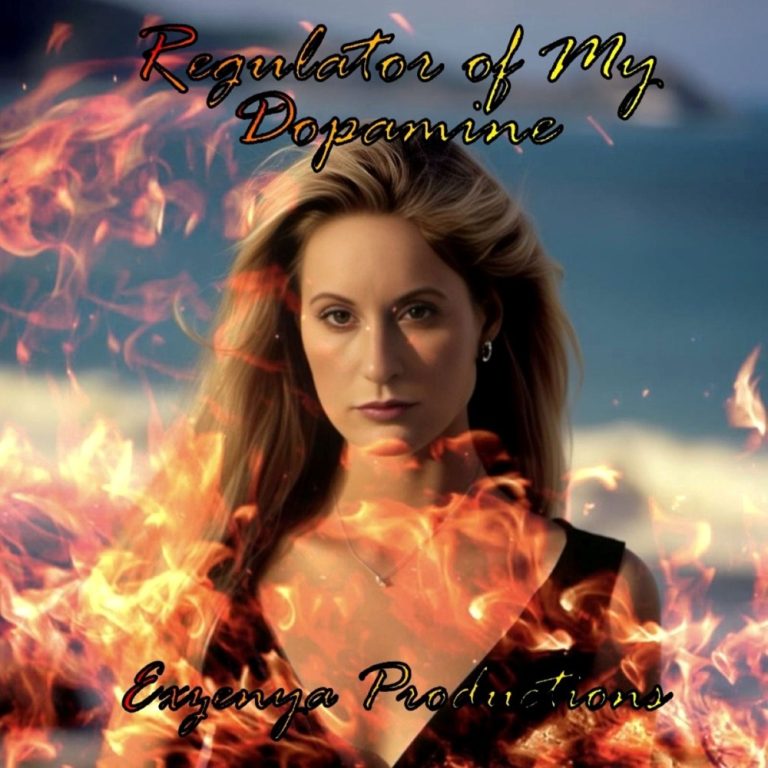
Regulator or My Dopamine by Exzenya

0

If you’re looking to fill your needs for a smooth, mature R&B track to be the soundtrack to your late-night rides, then Exzenya’s “Regulator of My Dopamine” has got you covered.

An addictive pentatonic melody and a reggae-inspired rhythm add lots of bounce to the beat. And the harmony, while simple, is super effective at creating a kind of bed for the textured vocals to breeze through. And that is exactly what this song feels like, breezing like the wind in your hair when you stick your head out of a car window at night. It’s what it’s like to be high, and in this case, it’s about being high off a specific person, not a substance. Exzenya describes this song as a celebration of love as the healthiest, most authentic high one can achieve. Which I believe is true of any form of love.

The trumpet sample that appears intermittently throughout creates a memorable melodic motif that ties the beat together and adds an interesting color to the overall palette of the song. The clap sample serves as a very punchy backbeat that is mixed very well with the other elements. And the production quality overall is superb.

I think Exzenya has crafted something special here. It works well for those late-night drives and just as well for focused listening if you are craving authentic R&B. “Regulator of My Dopamine” is a satisfying listen and will definitely regulate your dopamine.

Gotta Get Outta the House by The Brothers Burn

0

GROOVY, PLAYFUL, AND BRILLIANTLY ABSURD!

Some songs tap into a deep emotion. Others slap you with a bassline and tell you to get moving. “Gotta Get Outta The House,” the latest single by The Brothers Burn, does both, while juggling funk riffs, jittery vocals, and a contagious sense of mania that’s oddly comforting.

Pulled from the LP Well Kept Lies, this alt-pop gem from Austin’s own Scott Osborn (aka The Brothers Burn) is what happens when cabin fever gets a groove. Inspired by the sheer, undebatable need to get out, the track transforms a very real, very modern kind of meltdown into a joyride of twitchy drums and quirky energy. Imagine an existential crisis, but with glitter, cowbells, and a dancefloor.

The song launches into a rhythmic urgency that feels both silly and sincere. There’s no build-up, no slow burn: just pure, frantic motion. Guitars twang like nervous laughter, the bassline wriggles with attitude, and Osborn’s voice teeters between frustration and funky euphoria. It’s not just danceable: it’s escapable. Like you’re running full speed out your front door wearing socks, holding snacks, and not looking back.

What really sets the track apart is its commitment to strangeness. The production walks a tightrope between polished and chaotic, filled with unexpected sonic jabs and playful stabs of synth. It’s got the oddball confidence of someone who knows they’re being weird, and leans in harder.

Yet underneath the humor and the high-kick grooves is something familiar: that restless itch we’ve all felt, especially in a world that’s been cooped up far too long. “Gotta Get Outta The House” doesn’t just acknowledge that tension; it dances all over it in platform shoes and neon lighting.

The Brothers Burn have created something refreshing here. It’s not trying to be cool, it just is. It’s honest, eccentric, and shamelessly fun. And maybe that’s the point: when the world feels a bit too tight, sometimes the best thing you can do is throw on something loud, turn the volume up, and get the hell out of your head (and your house).

Tribute to the Ancestor by Jeff Dwyer

0

A STIRRING SONIC JOURNEY THROUGH HISTORY AND HOPE

With Tribute to the Ancestor, Washington, DC-based singer-songwriter Jeff Dwyer delivers a heart-rending musical chronicle of a story too often flattened by textbooks: the lived, breathed, and sung reality of enslaved Americans and their path toward liberation. Composed in collaboration with African-American bandleader J’sun Tyler, this genre-blending track fuses gospel depth, jazz nuance, and alternative pop storytelling into a resonant piece that feels less like a song and more like a ritual of remembrance.

Dwyer’s voice carries the weight of generations, gliding through a powerful suite of thematic sections, each a sonic monument to a different facet of the freedom struggle. From the solemnity of “Nobody Knows the Trouble” to the aching cry of “Motherless Child” and the rhythmic defiance of “Go Down Moses,” every movement invites listeners to inhabit the inner world of those who dared to dream of the Promised Land. It all culminates in a triumphant finale that pulses with resolve: freedom isn’t just a dream, it’s a responsibility.

Released just in time for Juneteenth, Tribute to the Ancestor doesn’t just remember history; it revives it. And in doing so, Dwyer affirms music’s power to carry the voices of the silenced forward, not as echoes, but as calls to act, reflect, and remember. At once elegy and anthem, this is protest music that prays, teaches, and endures..

Building a Career from the Ground Up: How Musosoup Became My Music Promotion Backbone

As an indie musician, there’s no label behind me. No PR team. No manager filtering emails. Just me, my music, and the internet.

That was my reality for years — releasing singles and EPs into the void, hoping someone, somewhere, would discover my work. Until I found Musosoup.

What Musosoup gave me wasn’t just visibility — it gave me a structure. A launchpad. A way to professionally promote my music, even as a one-person team.

It Starts with Access — and Musosoup Gives You a Lot of It

Musosoup connects artists directly with hundreds of blogs, playlist curators, influencers, and tastemakers across the world. No middleman. No gatekeeper. Just your music — heard, reviewed, and considered.

Here’s what made a difference for me as an artist:

  • Wide range of curators: From indie blogs in Europe to genre-bending tastemakers in Asia, of course, along with regular markets in the UK, Canada, and the US, the platform lets you connect with curators that actually suit your sound.

  • Choose your budget & offers: You’re in control. I could accept only the coverage I could afford at the time — and scale up when I was ready.

  • Trackable results: From the dashboard to the confirmation of posts, everything was transparent. I knew exactly what I was getting.

Coverage That Led to Real Growth — Not Just Vanity

What blew my mind wasn’t just the quantity of features — it was the quality. Through Musosoup, we handled hundreds of interviews, reviews, and Spotify playlist adds.

I love using Musosoup. They act as a publicist for the indie musician. It is a great way to connect with various media outlets and publications to promote your music. – Anthony Casuccio

Read more reviews on TrustPilot

A Long-Term Strategy, Not a One-Off Campaign

Artists can run multiple Musosoup campaigns across different stages of their releases: single drops, video launches, album pre-release features, and more. Musosoup isn’t just a place to “get a few blogs.” It’s a career strategy

Why Musosoup Works for Career Artists

  • You can test the waters without a huge budget.

  • You learn how to pitch yourself effectively.

  • You discover your audience through the curators who connect most with your music.

  • You build a network of curators that stays with you — release after release.

This isn’t just exposure. It’s connection, reputation, and community.

A Platform That Puts Power Back in Artists’ Hands

If you’re an independent artist, Musosoup gives you more than just features — it gives you control, clarity, and community. You decide who to work with, how to promote your work, and what kind of legacy you’re building.

This is what real music promotion should feel like. Not cold calls or unanswered emails — but actual dialogue between creators.


Useful links for artists

Why Musosoup Is Reshaping Music Discovery — A Curator’s Experience from Sistra Magazine

In the vast sea of digital music, curators face an overwhelming challenge: filtering quality from quantity. At Sistra Magazine — a platform focused on genre fusion, alternative culture, and emerging voices — we’ve always been passionate about discovering new sonic identities, especially from underrepresented regions and independent scenes.

But finding authentic talent in a constant flow of emails, DMs, and pitches? That’s a full-time job. That’s why platforms like Musosoup have become invaluable.

How Musosoup Supports the Editorial Mission of Sistra?

What makes Musosoup different is that it respects the editorial integrity of blogs like ours, while also enhancing our access to high-quality, curated music submissions from all over the world.

Here’s how Musosoup has enhanced our editorial workflow:

  • Pre-screened quality: Every submission is filtered by Musosoup’s internal team before reaching our inbox. That saves us hours of review time.

  • Editorial freedom: We choose which artists we cover, how we cover them, and on our own timeline — no pressure, no templates.

  • Genre diversity: From experimental hip-hop to ambient Arabic trap and Afro-fusion, we’ve discovered unique artists we likely wouldn’t have found elsewhere.

  • Supportive ecosystem: We’re not just doing this for free — Musosoup ensures curators are fairly compensated, which means we can sustain what we do and keep growing.

Building Bridges Between Artists and Alternative Voices

Sistra isn’t your average music blog. We’ve always championed genre-bending sounds, regional experimentation, and multicultural expression. And Musosoup gives us direct access to the kind of voices we want to amplify — artists who often fall outside the mainstream PR radar.

Some of our most memorable features came from artists based in India, Egypt, Chile, Nigeria, and Southeast Europe — all submitted through Musosoup. The platform serves as a bridge between global creatives and local curators, empowering everyone involved. This allowed us to illuminate the lesser-known scenes, in contrast to the more prevalent markets found in the UK, Canada, and the US.

Long-Term Artist Relationships Start Here

One of the best indicators of a successful curator-artist match is when the relationship continues beyond a single post. At Sistra Magazine, we’ve seen repeat campaigns from several Musosoup artists who trust us to support their releases — from singles and visuals to debut albums and collabs.

This consistency is a win-win for editorial continuity and artist branding, creating deeper narratives over time. It’s not about content — it’s about connection.

Curators Deserve Better — And Musosoup Delivers

As music curators, we often work behind the scenes — invisible yet critical. Platforms like Musosoup give us visibility, support, and real connections with the artists we believe in. More than that, they help us expand our voice, grow our reach, and preserve the creative freedom that brought us here in the first place.

If you’re a blog, playlist curator, or content creator with a passion for underground and emerging talent, Musosoup is the professional partner you’ve been waiting for.


Useful links to start your journey

Frénésie by Benjamin Quartz

0

STILLNESS IS SIZZLING!  

Benjamin Quartz doesn’t just release a song; he releases a quiet storm. With Frénésie, the Paris-based baritone delivers a textured, heart-throbbing first glimpse into his upcoming album Sombre Samba. It’s a track that hums with urgency yet never loses composure, like a slow burn that knows exactly when to flare.

Sung in French but resonating well beyond words, Frénésie rides the line between intimacy and internal chaos. The acoustic setting: guitar, hand-played percussion, strings, breath, becomes a stage for the narrator’s spiraling inner monologue. Nothing here is synthetic; no drum machines, no auto-tuned gloss. Just raw, breathing music shaped with meticulous care.

What gives the track its distinct emotional pull is its sonic honesty. The wooden tones, the tense strings, and the delicate percussive touches feel almost conversational; each sound responding to the narrator’s racing mind and restrained desire. Benjamin’s voice, hushed yet heavy, draws you in like a secret too urgent to whisper but too sacred to shout.

There’s a kind of elegance in the disarray here. The instrumentation doesn’t attempt to tame the turmoil; it highlights it. Think of Frénésie as a dance between calm precision and untamed feeling, a track that vibrates with the heat of hidden fire.

If this is the first chapter, Sombre Samba is shaping up to be a profoundly human album: alive, deliberate, and brimming with soul!


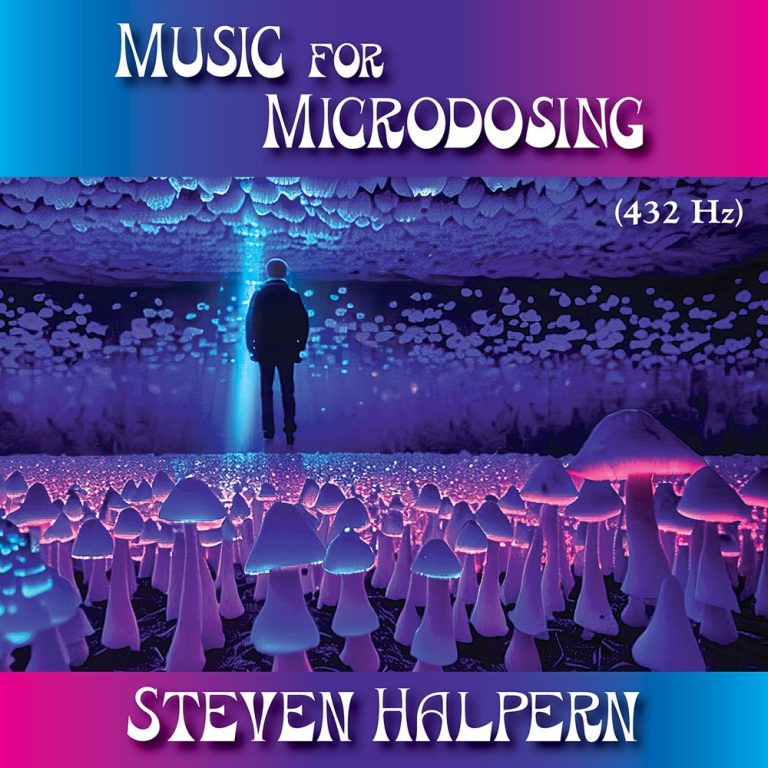
Album: Music for Microdosing (432 Hz) by Steven Halpern

0

FLOATING INWARD – A SONIC SANCTUARY BUILT ON MUSIC FOR MICRODOSING (432 Hz)

There are albums you play and there are albums that play you; slowly tuning your breath, easing your heartbeat, and peeling away the buzz of everyday life. Steven Halpern’s Music for Microdosing (432 Hz) belongs firmly in the latter category. With this 14-track ambient tapestry, the legendary sound healer doesn’t just score the backdrop to mindfulness, he engineers the conditions for it.

Halpern has long stood at the forefront of sound-as-medicine, and this release feels like a culmination of decades spent exploring the intersection between vibration, brainwaves, and altered states of consciousness. But don’t let the term “microdosing” limit your imagination. Whether you’re deep into plant medicine or simply craving stillness in a digital world, this album functions as a gentle recalibration tool for your body, your nervous system, and your awareness.

Built entirely on 432 Hz tuning, a frequency believed by many to be more in harmony with natural vibration, Music for Microdosing feels warmer and rounder than most ambient fare. These aren’t songs in the traditional sense. They are environments, and each one opens a door to a different emotional or somatic space.

The title track begins the album like a soft inhale. Chimes shimmer, tones hover just above silence, and Halpern’s iconic Rhodes electric piano sets the tone: spacious, tender, unhurried. “Music is the Bridge” and “Timeless Truths” unfold like offerings, guiding listeners into deeper presence with every phrase. There’s an architecture here: less verse and chorus, more ritual and resonance.

Halpern’s collaborators elevate the work without disrupting its flow. Jorge Alfano’s bamboo flute on “Whisper on the Wind” feels ancestral and fragile, weaving through the ambient field like incense in a temple. Michael Manring’s bass and Michael Diamond’s synth guitar textures glide through “Mindful Microdosing” with a subtle, weightless pulse, offering sonic massage rather than melody. Richard Horowitz adds further depth on “Inner Space Outer Space,” creating a soundscape that feels equally rooted in ancient ritual and sci-fi stillness.

Rather than building toward a climax, the album spirals inward. Tracks like “Deeper Journeys” and “Root Chakra Resonance” ground the listener into somatic terrain, while “Transformation” and “Heart Mind Coherence” open gently glowing windows into breathwork, meditation, or even sleep. The closer, “At Peace in the Present Moment,” doesn’t just end the album; it dissolves it, like fog retreating over still water.

What’s striking is the lack of ego in the music. There’s no showmanship, no attention-seeking gesture. Each sound serves the space it creates. This humility gives the album its power. It doesn’t demand you listen. It invites you to be.

More than a collection of tracks, Music for Microdosing is a quiet companion to deeper states. It works as well in therapeutic sessions as it does in a quiet moment alone on the floor. In a world saturated with noise, Halpern has offered silence in slow motion: colored, held, and sung into being.

This isn’t just ambient music. This is functional art. A sonic sanctuary for those who are ready, or simply curious, to float inward.