

Home Blog Page 62

Digney Fignus: “The Emperor Wears No Clothes” [MTS, 2025]

0

The Boston-to-Cape Cod troubadour turns in a modest yet sharp Americana missive, an acoustic jab at mass delusion that manages to whisper truth louder than a fleet of megaphones. You might remember Fignus from MTV’s Basement Tapes days—back when a good hook and a curious hand could still get you a Columbia deal. Four decades later, he’s still singing in plain clothes with a poet’s suspicion of parades.

Framed as a reimagining of Hans Christian Andersen’s fable, this tune isn’t just clever. It’s observational, funny, resigned—and yes, disappointed. “She wakes up at the morning, picks up her cup of Joe / Talks about the latest, then pretends she doesn’t know.” That’s middle America, NPR on, mind off. It’s the daily charade we’ve all seen and played, and Fignus captures it without scolding. That’s his strength—satire without self-righteousness.

Backed by mandolin, spoons, and what sounds like a saloon piano from a Czech border town, the production (by Jon Evans, of Amos/McLachlan infamy) keeps things loose and lived-in. The Eastern European-tinged rhythm underlines the cold war callback: “Forget the proletariat, accept a nyet for no.” Think Randy Newman with less Broadway and more sawdust, or Ry Cooder minus the global ambitions.

The chorus—“Everybody knows, the emperor wears no clothes”—is less revelatory than it is weary, but that’s the point. Fignus isn’t trying to unveil anything. He’s reminding you that the unveiling happened a long time ago. We all watched. Then we looked away.

In the era of algorithmic outrage and prepackaged rebellion, Fignus’s gently barbed storytelling is more than welcome. It’s necessary. He won’t make you march, but he might make you notice—and that’s a start. 

–Robby Chrisman
 

When We Were Young by Same After

0

WHEN WE WERE YOUNG – AS NOSTALGIC AS A RELEASE COULD BE!

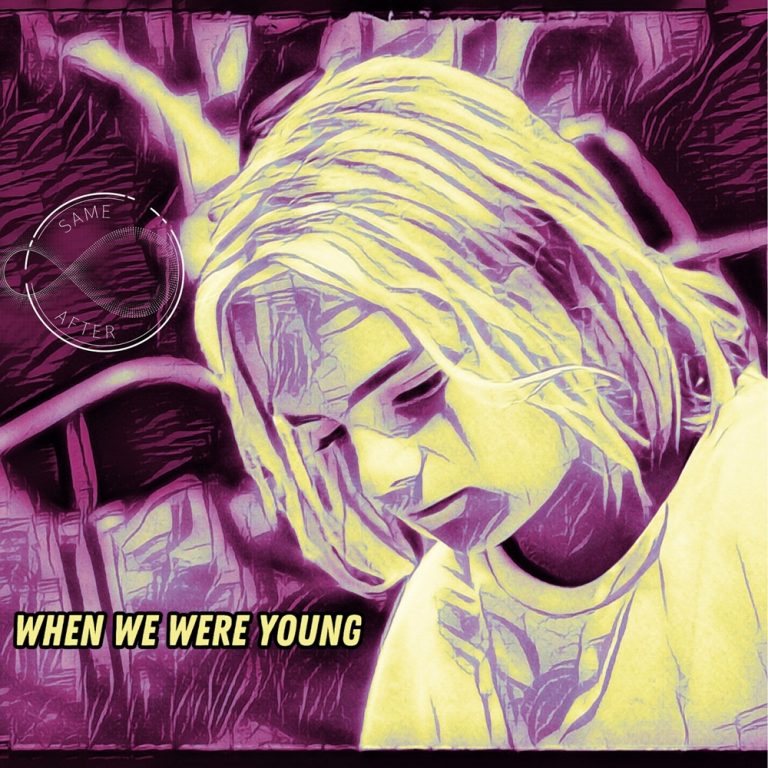
There’s a rare kind of magic when an artist reaches into the past and pulls out a feeling you thought only you remembered. On “When We Were Young,” Paris-based independent artist Same After captures the shimmer of youth and the quiet ache of its passing with striking sincerity. The track arrives like a time capsule cracked open, nostalgic pop threaded with melancholic textures, glistening synths, and a vocal performance that sounds like it’s been filtered through memory itself.

Rooted in a true story, a Fender Telecaster gifted to him by childhood friends,  the song feels like a personal artifact, but its emotional resonance is unmistakably universal. Whether you spent your youth skating down sunlit streets or hiding out with headphones in your bedroom, “When We Were Young” opens a portal. With lines that land like diary entries and production that blends synthwave sheen with modern dark R&B hues, Same After turns memory into melody.

There’s a cinematic scope to the song, yet it retains an intimacy that’s rare in today’s pop landscape. Shimmering guitars meet subdued beats in a lush electronic pop atmosphere, building a soundscape that’s both expansive and soulfully close. It’s the kind of song that doesn’t hit you over the head—it lingers. It waits for you to catch up. And when you do, it holds you there gently, maybe even with a tear in your eye.

The accompanying music video deepens the experience. Rather than spoon-feeding viewers with literal storytelling, it curates a museum of memory: quiet, thoughtful vignettes that evoke rather than explain. Each frame offers the same honest innocence that permeates the track: not overly sentimental, but deeply felt. These aren’t just props from someone else’s past; they’re invitations to reflect on your own.

Same After’s strength lies in this exact ability: to turn the deeply personal into the beautifully collective. As a self-taught artist working from a home studio, he’s not interested in chasing trends. Instead, he draws from the tension between nostalgic light and elegant darkness, crafting music that resonates on a deeper emotional frequency. His broader body of work, including concept playlists like 25HEARTs: After Shower and 25MILEs: Memory Glow, shows a consistent commitment to immersive sonic storytelling.

“When We Were Young” isn’t just a single. It’s a feeling. It’s the smell of summer pavement and the echo of laughter in an empty room; and in a musical climate full of instant hits and fleeting hooks, Same After offers something slower, more lasting: a song that doesn’t just remember the past, but lets you feel it again..

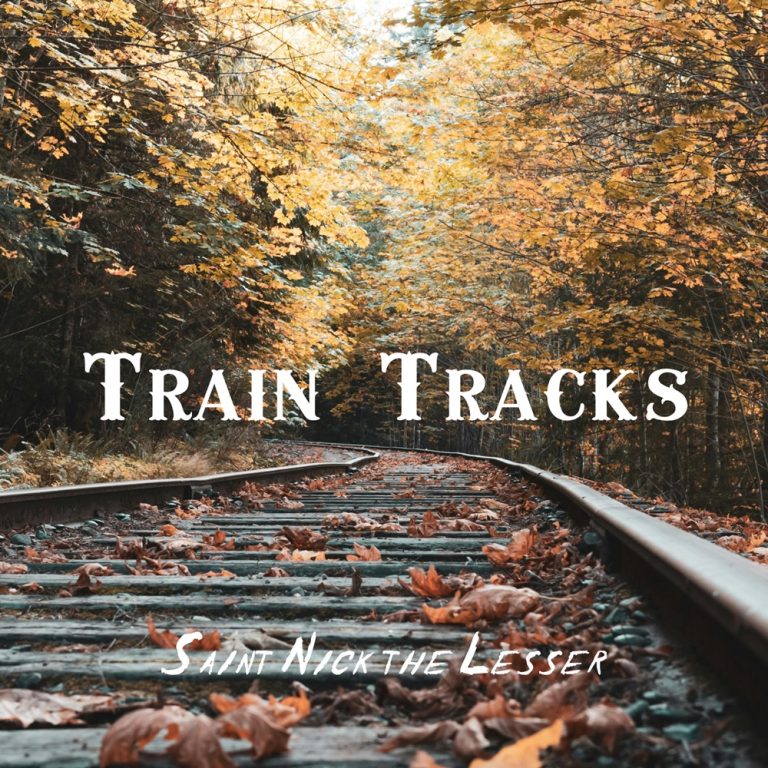
Train Tracks by Saint Nick the Lesser

0

WITTY WISDOM WRAPPED UP IN FOLK ROCK FINESSE!

With “Train Tracks,” Saint Nick the Lesser proves that deep emotional resonance and cheeky folk-rock swagger aren’t mutually exclusive. Drawing from a well of punk grit, ska bounce, and anti-folk authenticity, this Upland-based alt-folk troubadour delivers a track that’s as heartfelt as it is foot-stomping.

From the opening moments, complete with the hiss and hum of a train engine, the production immediately sets the tone for a journey. Not just geographically (though inspired by a real-life trip from San Jose to Fresno), but emotionally. The banjo rolls in with a rustic charm, guitar riffs chug steadily like a railcar, and Saint Nick’s rich baritone grounds the piece with gravitas. There’s a quiet power to his delivery, equal parts lived-in wisdom and playful irreverence.

Lyrically, “Train Tracks” shines with storytelling finesse. It’s a poignant ode to friendship and presence, born from a visit to a struggling friend and anchored by a late-night walk along abandoned tracks. But what makes the song remarkable is its refusal to wallow. Instead, it lifts. There’s sorrow, yes, but there’s also warmth, silent understanding, and the subtle promise that things can get better. The metaphor of the tracks is masterful: a symbol of life’s misdirections, but also of the possibility of course correction.

Saint Nick’s sonic influences, Laura Jane Grace, Tim Barry, Frank Turner are evident, but never derivative. There’s a rawness to the songwriting, a refusal to polish away the imperfections, which paradoxically gives the track its strength. The low vocal harmonies in verse three, paired with a whistle soaring above, give the arrangement a whimsical yet emotionally weighty contrast. Credit here goes to producers Ryan Jarvis and Rob Maile, who strike a deft balance between intimate and expansive.

Recorded at Sivraj Studios over the course of three years, the track is part of Saint Nick’s forthcoming album “Growing up, growing out” a title that feels apt, especially considering how “Train Tracks” navigates the often bumpy ride of emotional growth with an artist’s touch and a friend’s heart.

In a music landscape that often favors spectacle over sincerity, “Train Tracks” is a refreshing reminder of what happens when you slow down, look around, and just listen. It’s a song for the lost, the hopeful, and everyone who’s ever wandered down a metaphorical rail line, unsure of where it ends, but still walking.

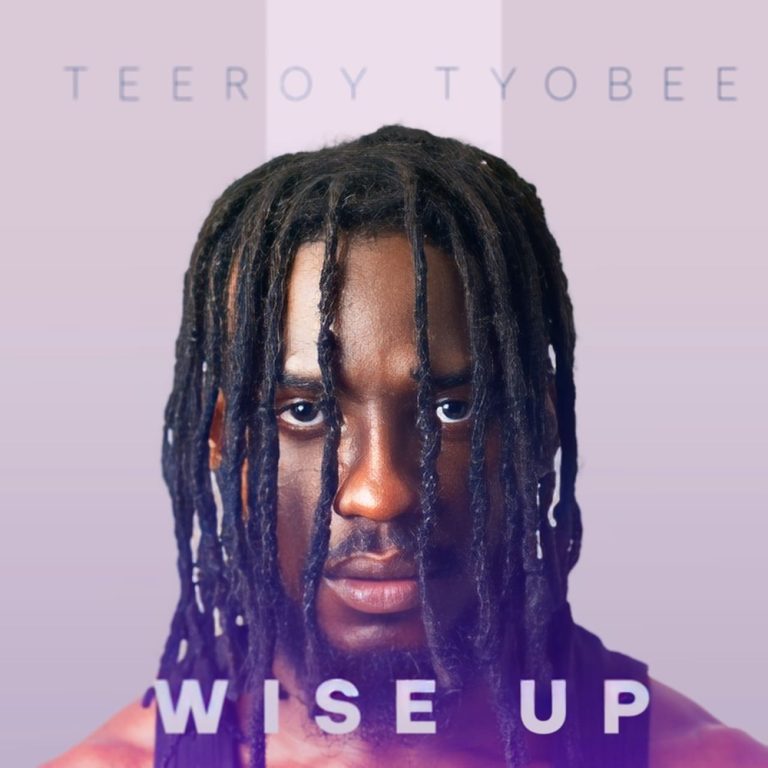
Wise Up by Teeroy Tyobee

0

TAKE A MOMENT TO REFLECT AND RECONSIDER, PLEASE!

If music could slap you awake, Tee Roy’s “Wise Up” would be the palm that doesn’t just sting, it rearranges your perception. Fusing Afrobeat, Amapiano, Contemporary R&B, and World music, it’s a call to arms for anyone still snoozing through the quiet warfare of mental slavery.

“Wise Up” confronts listeners with the kind of uncomfortable truths you don’t hear often enough in pop culture. Forget dancing to delusion, Tee Roy wants you wide-eyed and questioning. Delivered with blistering lyrical intensity and woven through a soundscape that feels both ancestral and futuristic, this track is raw, relentless, and necessary.

Tee Roy has never been about surface-level vibes. A sociology graduate, a spiritual seeker, and a musical revolutionary, he’s taken his fight against spiritual stagnation and societal sedation straight to the studio. “They keep us asleep while we swear we’re awake,” he warns in a voice that feels equal parts preacher, prophet, and protestor.

Musically, “Wise Up” is a genre-defying uprising. You’ll hear the drum of resistance in every kick, the weight of history in every synth, and the breath of defiance in every verse. Whether it’s blasting through speakers at a street rally or whispering through your headphones in the still of the night, the song leaves a mark. It’s like Fela Kuti met Kendrick Lamar at a crossroads, and chose both directions!

What elevates this track is its insistence on collective healing. Tee Roy doesn’t want mere fans, he wants co-revolutionaries. The final chorus explodes into a communal chant, echoing a truth that transcends borders: Freedom starts in the mind.

“Wise Up” also comes with real-world utility. With QR codes that lead to tools for decolonized education and grassroots activism, this is more than sonic rebellion, it’s a platform for change.

In a world numbed by algorithmic noise and manufactured narratives, Tee Roy has crafted a moment of clarity, one that invites you to reflect. Reconsider. And wise up!

Distant by Ava Valianti

0

GET READY FOR A RIDE DOWN MEMORY LANE WITH 13-YEAR-OLD AVA!

With the poise of a seasoned performer and the vulnerability of someone still learning how to say goodbye, Ava Valianti’s latest single, “Distant,” is a luminous heartache wrapped in indie pop shimmer. The 15-year-old singer-songwriter from Newbury, Massachusetts, reminds us what it feels like to outgrow something, or someone, without meaning to.

At first listen, “Distant” could be mistaken for a bright summer anthem. Its upbeat production and sparkling folk-pop instrumentation practically beg to be played with the windows down. But as Valianti’s ethereal voice unfurls, the ache beneath the rhythm becomes impossible to ignore. This isn’t just a catchy song, it’s a quiet unraveling, a postcard from the past that arrives just late enough to sting.

Lyrically, Ava draws you into the intimacy of a friendship that slipped away unnoticed: “Knew you like the back of my left hand, my right-hand man…” It’s a line that captures the clarity and confusion of growing up, of losing someone not in a fight, but in the soft erosion of time. Her storytelling is clean, piercing, and journal-like; never dramatic, just heartbreakingly real.

What makes “Distant” even more compelling is Ava’s vocal delivery. At moments, her voice is light and fluttery, inviting you in like a breeze. Then it bends, subtly tragic, dancing along melodic lines that betray a deeper sadness. There’s a sharp inhale near the end, a small sonic detail, but one that feels like the audible form of swallowing back a tear. The emotional restraint is elegant, and it lands with even more impact because of it.

Structurally, the track flows with intention. There’s repetition where there needs to be, but nothing ever feels forced or formulaic. Ava knows how to let a line linger, how to let a melody evolve without overcomplicating it. She writes with a sense of trust in her audience: that we’ve been here too, that we’ll understand.

Since her 2023 debut with Bubble Wrap, Ava has been steadily building an impressive career. earning over 150 radio plays, two New England Music Award nominations, and runner-up at the International Acoustic Music Awards. She’s shared stages with Jessica Baio and folk icon Lucy Kaplansky, and has already sold out her own headlining show. Her debut EP, slated for release this fall, is one to watch.

For fans of indie pop with emotional depth, think a softer, more introspective spin on artists like Gracie Abrams or Olivia Rodrigo, “Distant” is a must-listen. It belongs on every teen nostalgia playlist, but its resonance goes far beyond age! 

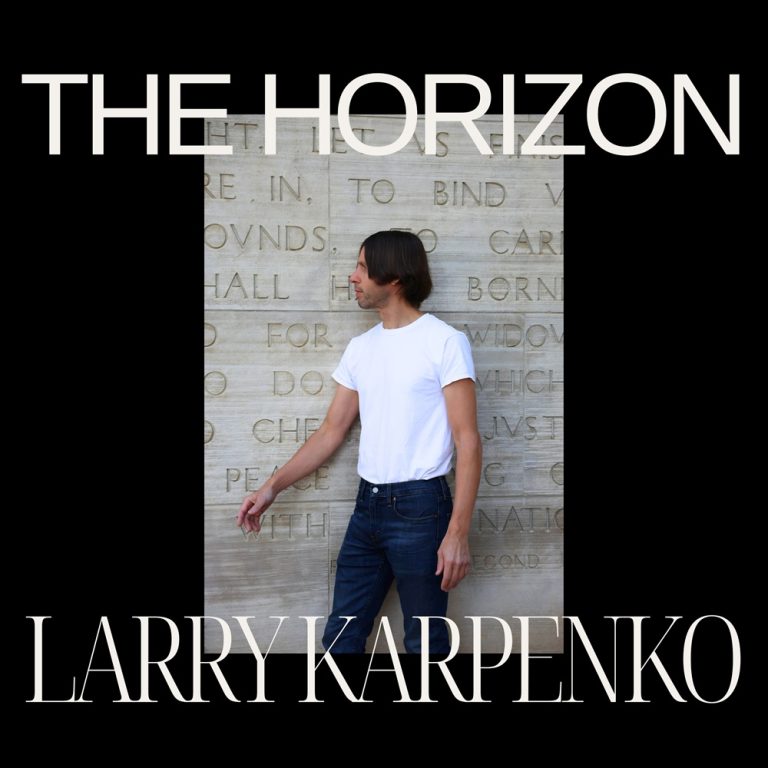
The Horizon by Larry Karpenko

0

THE ARTIST’S STRENGTH LIES IN HOW MUCH HE IS WILLING TO STICK AND SPEAK HIS TRUTH!

In a world where much of mainstream music leans toward the polished and the palatable, Larry Karpenko’s latest track, The Horizon, cuts through the noise like a quiet but unwavering voice of conscience. Nestled in the genre of Electronic Leftfield, The Horizon isn’t merely a sonic experiment, it’s a deeply personal and political statement wrapped in ambient textures, spoken word, and historical memory.

From the first static crackle of a vinyl needle drop, Karpenko transports us into a liminal space where the past converses with the present. This is not background music. This is music that needs attention, reflection, and emotional investment. Built on a delicate foundation of piano and layered beats, the track begins in mono and slowly expands into a stereo soundscape, mirroring the journey from individual consciousness to collective awakening.

What makes The Horizon exceptional is its conceptual depth. The song draws direct inspiration from President Lyndon B. Johnson’s powerful Civil Rights Act speech of 1964, threading it together with the warm, commanding baritone of Nesco Lettsome; a community service manager and a close collaborator of Karpenko’s. Lettsome’s spoken reflections on choice add gravitas, transforming the song from a historical homage into a meditation on modern agency and the quiet revolutions born of everyday decisions.

Karpenko’s production style draws clear influence from artists like Moby, particularly in the blending of gospel-tinged vocal sampling, analog synth textures, and spiritual ambiance. But Karpenko isn’t mimicking, he’s extending that legacy into his own lane. Where Moby once lifted souls through rhythm and reverence, The Horizon lifts through introspection and stillness. The analog growl of the Korg MOSS synth, the haunting transitions, and the spoken-word overlays evoke a film score more than a club track. And that’s the point.

Perhaps the most moving moment comes in the line from Lettsome’s narration:

“Asking for help is the hard work.”

It lands like scripture, not just a lyric, but a life principle. That vulnerability, that humility, that call for collaboration—that is what defines this track. It’s also what defines Karpenko’s artistry: fearless in message, gentle in execution, and unafraid to center meaning over marketability.

Recorded at Kreation Records in Loma Linda, California, the song is a product of proximity, friendship, and philosophical alignment more than flashy budgets or celebrity features. It’s music made with care. With clarity. With purpose.

In an era oversaturated with content designed to distract or dazzle, The Horizon feels like a breath held and finally exhaled. It doesn’t beg to be viral, it beckons the listener inward. It dares to be sincere.

Karpenko’s strength, indeed, lies in how much he’s willing to stick to his truth. And that truth is both soothing and a challenge: that we still have choices to make, that justice is a shared task, and that the horizon, metaphorically and musically, is always within reach, only if we’re willing to look and listen.. 

For The Better by 6am

0

With heaps of bass and a confident presence 6am offers us his smoky new single ‘For The Better’. Hazy, slow, and impactful, the talented rapper is once again showcasing why he deserves every ounce of attention he’s getting.


Canadian rapper and artist 6am is based in Toronto and his crisp, neatly mixed sound is ready for all the radio play he’s going to get. With his latest single ‘For The Better’ 6am resorts to a minimal mix that’s rich with heavy elements that give the song a heft where you least expect.

For a song with a skeletal beat that revolves around a syncopated kick rhythm and rim shots for snares, ‘For The Better’ is heavy. Emotional weight is present in the song via the melancholic chord sequence and lethargic piano motif. The beastly sub bass is oppressive and domineering, and 6am’s rapping is rhythmic and nuanced, giving extra impact to his meaningful bars. The fluttering ad libs and string pads help make ‘For The Better’ a rather atmospheric single.

For an artist who’s been at it for more than a decade, having been fully committed to his craft since 2015, 6am is experienced and his honed skills are in apt display on this subdued and tear jerking summer single.

When I Take The Five by Marc Soucy

0

FUNKY, UPBEAT, AND AN ABSOLUTE FUSION GEM!

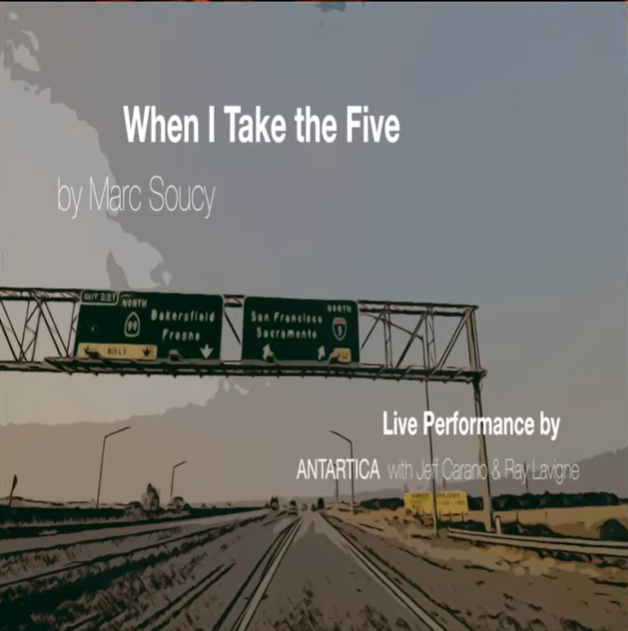
Marc Soucy’s newly released single and music video, “When I Take The Five,” is a time capsule that bursts with life, groove, and straight-up jazz-rock swagger. Originally recorded live in 1983 with Jeff Carano (bass) and Ray Lavigne (drums), the track captures not just a moment in time but a moment of truth, when three musicians meet in total sync and let the music do the talking.

This is jazz fusion at its most joyful, tight yet relaxed, technically impressive without ever sacrificing soul. There’s a gritty realness in the no-overdubs performance, a kind of raw polish that reminds you why live music still matters. The energy? Contagious. The chemistry? Electric. Soucy’s piano leads the charge here, stepping away from the synthesizer-heavy vibes of his later Antarctica work to deliver something delightfully stripped-down and honest.

From the couple of bars, you can feel the trio locking in. The walking bass lays down a groove that struts with confidence, while the drums, especially during a fiery Buddy Rich-style solo mid-track, inject an unhinged brilliance that’s impossible to ignore. Soucy’s piano playing is nimble and expressive, dancing between jazz elegance and rock rebellion.

What makes “When I Take The Five” such a standout is its balance of play and precision. It doesn’t try to reinvent jazz; it just does it really damn well. And for a piece born from the early days of Soucy’s composing career, it already shows a voice that knows exactly what it wants to say, and how to say it with style.

In an era of overproduced jazz-fusion, this live gem reminds us of the magic that happens when true musicians come together and just play. If you’re a fan of genre-blending grooves, or just miss the kind of musical conversation that only happens live, this track is an essential listen! Light-hearted. Funky. Fearlessly musical. “When I Take The Five” is a rare blend of brains, groove, and absolute joy!

Africa’ s Heartbeat by Dr. Evangelos Viazis

0

AFRICA’S HEARTBEAT IS BEATING LOUD AND CLEAR!

Dr. Evangelos Viazis, the Athens-based musical visionary and renowned orthodontist, has just unveiled Africa’s Heartbeat, and it’s not just a song; it’s a seismic celebration. Released on January 6, 2025, this Afrobeat-infused dance-pop anthem is a cinematic, rhythm-soaked tribute to Africa’s beauty, resilience, and timeless pulse.

From the opening flutter of a high, airy flute to the flickering percussive heartbeat that follows, Viazis crafts a sonic landscape that instantly transports listeners to the heart of the African continent. The instrumentation is lush and layered, tribal rhythms mingle with electronic textures, and melodic lines rise like heat waves off a sun-drenched savanna!

The vocals are smooth and contemporary, carrying the weight of storytelling that feels ancient. “Beneath the sun, where the rivers run, / Africa sings, a story begun,” Viazis intones, inviting us into a rich narrative woven with cultural reverence. Then comes the chorus, a powerful, unifying anthem:
“Africa, your heartbeat’s strong, / Echoes loud, a timeless song…”
It’s stirring, catchy, and deeply moving, a love letter in musical form.

What sets Africa’s Heartbeat apart isn’t just its infectious energy, but the sincerity at its core. It doesn’t romanticize or appropriate, it honors! Every beat, every lyric, every melodic flourish feels like it was made with intention and respect. This is not background music; it’s an invitation to move, to feel, to connect.

With over 210,000 YouTube subscribers and growing global attention, Viazis continues to break boundaries between professions, genres, and geographies. This single reaffirms his position as more than just a musician, he’s indeed a cultural storyteller. His sound bridges continents, but his heart beats firmly in sync with the lands and legacies that inspire him.

Africa’s Heartbeat is available now on Spotify and all major platforms. Whether you’re dancing in your room or simply closing your eyes to listen, one thing’s for sure, Africa’s heartbeat is loud, clear, and undeniably alive!

Lights by Sam Ostler

0

THIS WILL ABSOLUTELY LIGHTEN UP YOUR DAY!

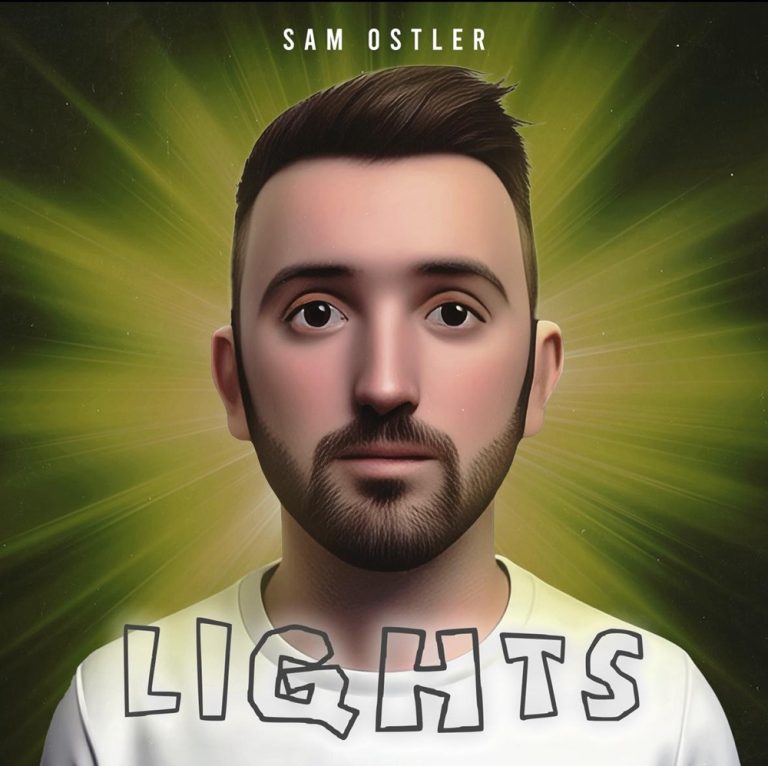
UK singer-songwriter Sam Ostler returns with a glowing new release that feels like a warm hug in musical form. Released on May 5, 2025, “Lights” is everything you want from a feel-good pop anthem; it’s vibrant, emotionally charged, and built to uplift!

Rooted in contemporary commercial pop, “Lights” fuses Ostler’s soulful vocals with lush, piano-driven production that steadily builds into a euphoric, sing-along chorus. It’s the kind of track that starts soft, like a quiet spark in the dark, and then bursts into a full-on blaze of resilience and hope. Whether you’re on a late-night drive or in need of a pick-me-up, “Lights” is the musical reminder that brightness is always within reach.

Ostler’s vocal performance is, as always, magnetic. Drawing from the lineage of icons like Elton John, James Blunt, and Coldplay, he manages to stay classic while sounding unmistakably fresh. His ability to blend sincerity with stadium-sized soundscapes is what sets him apart, and it’s why his music continues to resonate across BBC Radio and packed venues alike.

Coming off a huge 2024, touring with Gabrielle and receiving consistent BBC Radio 2 support, Sam’s momentum is unstoppable. “Lights” doesn’t just meet expectations; it exceeds them, showing an artist confidently stepping into his own.

If you’ve ever needed a song to help you feel a little less alone, “Lights” is your anthem. Poised, powerful, and packed with heart, Sam Ostler’s latest release is proof that pop music still has the power to both heal and connect!