


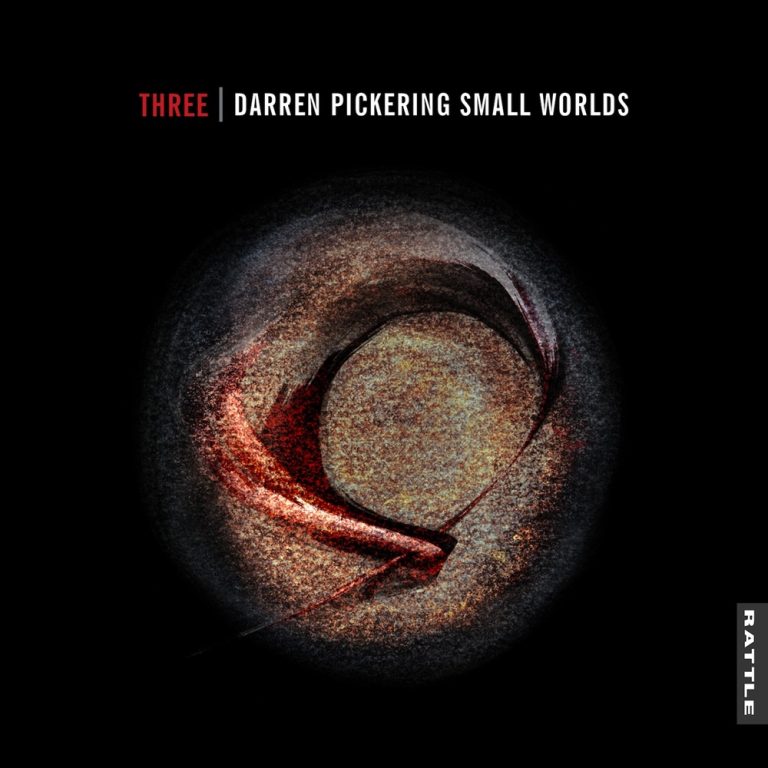
Darren Pickering Small Worlds and their masterful noir jazz atmospheres are delightfully fused with electronic wizardry on the outfit’s latest full-length offering, Three. An expansive album of intricate jazz harmonies, smoky instrumental passages, and heaps of a distinct character that left my ears desperately tuned onto the most minute instrumental detail these pieces had to offer.
Darren Pickering Small Worlds is a jazz quartet hailing from the city of Christchurch, New Zealand. Spearheaded by the titular Darren Pickering, a jazz pianist, composer, educator, and acclaimed session musician and collaborator with a large number of international projects and artists. Pickering’s Small World includes the combined forces of his pianos and modular synths alongside Heather Webb’s spine-tingling jazz guitar leads, Pete Fleming’s supportive and subdued bass lines, and Jono Blackie’s efficient and colorful grooves. This coalescing of jazz talent gives us balanced and dramatic pieces of masterful ballroom jazz that’s laden with quirky harmonic adventures, virtuosic instrumental runs, and addictive melodic forays that left me thirsty for more.
Three is 9 compositions that flirt with electronica through Pickering’s modular synthesizer work, often creating haunting landscapes and unforgettable textures whenever they are introduced. Their utilization with such restraint and artful placement speaks loudly to the caliber of musicianship the outfit and their production team are operating on. On Three, the first half does not do enough to prepare you for the second half of the album, with 5 mainly accessible and cinematic offerings that harken to similar dub and jazz artists such as Bremer/McCoy and Greg Foat followed by 4 infinitely nuanced and grandiose compositions on the latter half, making the listen feel like a 2-act opera or 2 separate EPs fixed together. And while there’s ultimately no “better” side, there’s a side with clearly more pop appeal that will be easier to digest by a larger demographic, and a side left for purists and jazz aficionados to appreciate.
I did not choose for things to go this way, but the album starts with what I can call my favorite cut. The shapeshifting ‘Green Blinking Light’ is a masterful and moving intro with haunting melodies and arresting key changes baked right into its meticulously calculated mayhem. The descending, time-twisting, 4-note motif, introduces an ominous flair into the composition that is then contrasted by a chord sequence that’s open-faced and moving, with pronounced key shifts that constantly elevate the experience. Pads and a stuttering drum part are slowly introduced in the piece’s latter half to go alongside a syncopated and cinematic set of piano chords that perfectly conclude this gorgeous opener.
‘Green Blinking Lights’ suavely melt into the dim and moody noir jazz atmospheres of ‘What If’. With its purely acoustic arrangement, the buoyant bass and supportive beat pave the way for Heather Webb’s masterful guitar work alongside Pickering’s charismatic piano soloing in a display of the group’s stark musicianship. ‘What If’ makes without electronics, giving us a sublime, subdued number that makes up for its slow pacing and ambiguous, motif-less flow with an addictive personality and a tantalizing set of performances, and such is the way of jazz. ‘What If’ is a jazz piece that’s gorgeously written and executed. The short and sweet duo of ‘Soft Life’ and ‘Hjartdal’ has the lion’s share of the album’s synthesizer work. ‘Soft Life’ is defined by its granular and spacious synth lead that’s soft and alien, providing a textural background to the piece’s electronic beat and grand piano musings. One of the album’s most intriguing arrangements and compositions with bluesy guitar runs by Webb and a melodic tendency. ‘Hjartdal’, the album’s shortest offering starts with its tightest drum shuffle, beautifully executed by Blackie. The piece then opens up with a fantastic interplay between guitars and piano on top of a minimal bass part that perfectly coats the whole piece with the warm presence of single, simple, soothing notes.
The remainder of the album, starting by ‘Randall’ all the way to the album’s conclusion with ‘Push Bliss’, is made up of 7- to 9-minute-long grandiose jazz arrangements that showcase the outfit’s stellar capacities in different settings that are uniformly mesmerizing, with the exception of the soft burning ‘Tauhou Walts’ which appeared earlier in the album. Uniformly cinematic and nuanced, the chic and smoky flow, perfect for a dimly-lit casino floor on ‘Randall’ and ‘Taylor Time’ is met with the prominent lyrical melodies and clear-cut harmonic composition on ‘Folly’ and its arresting guitar work. ‘Push Bliss’ concludes the listen on a serene and introspective note that puts the whole experience to rest quite gently with its soft-but-thunderous piano chords and dazzling chords.
Three is a rather delightful listen. From start to finish, for a jazz album with little-to-no regard for pleasing the masses, Three is an album with a delicacy, confidence, flair, and taste to please the masses. An engrossing listen from a capable ensemble of artists.


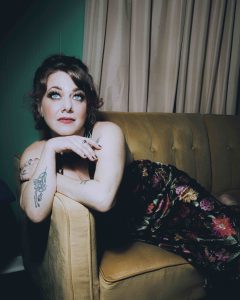 Among the album’s 10 emotionally potent songs we have some clear standouts worth discussing. ‘Gemma Star’ starts the album with a guttural blues stomp that defines a quite distinct sonic fingerprint that is going to remain throughout the album. This fingerprint is of roomy sounds and relatively dry, live mixes that sound like an intimate show being played in a tight space, putting you right there in this dimly lit, smoky bar room with the band. The song itself is a simple bluesy stomp with ample space for ripping guitar leads and characterful vocal harmonies, the tighly spaced, reverb-starved mix is balanced by a restrained arrangement that never overcrowds the tight space available, altogether a show of a band and of a producer in complete control of the atmosphere they are building. The entertaining intro gets taken up a notch with the next song over. ‘Made of Candy’ is where the Fiona Apple influence starts to truly shine. This burlesque piece, defined by its pronounced waltz, rhythmic, creeping piano part, and deafening horn arrangements, showcase a startling boldness from the whole ensemble. Again, a tight mix, and a restrained arrangement, this time with a horns part that’s manic, jazzy, freeform, and unhinged, making this song one of the most unforgettable atmospheres on Love Bomb.
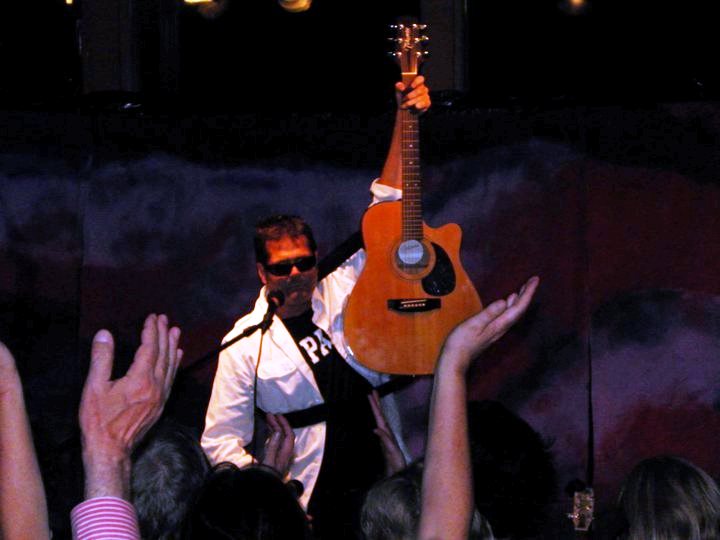
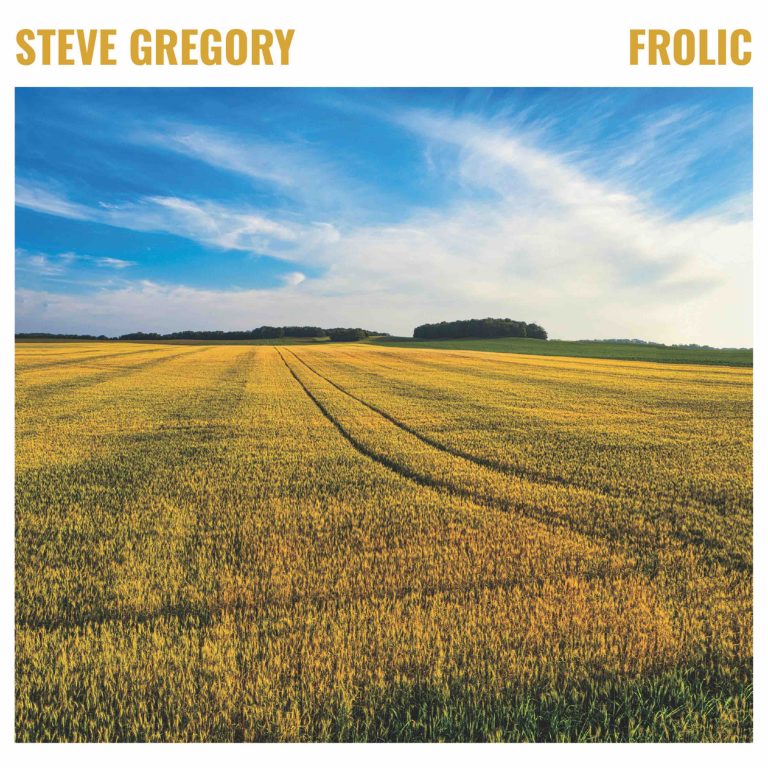
 Rooted in jazz but branching into blues, funk, and earthy rock, Frolic is a warm, reflective album: never rushed, always heartfelt. It’s not just a collection of tracks but a mood, a state of being. Gregory’s guitar playing feels lived-in and honest, with phrasing that evokes emotion rather than flash.