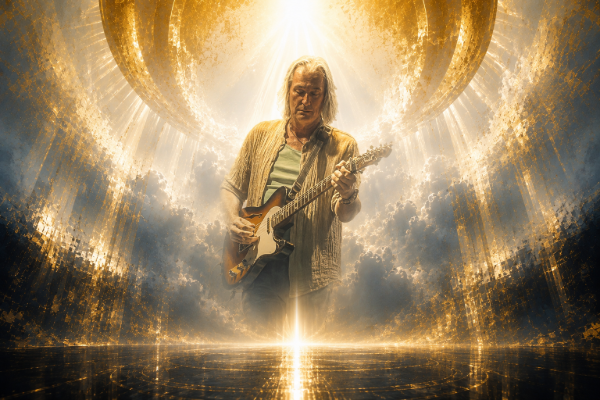


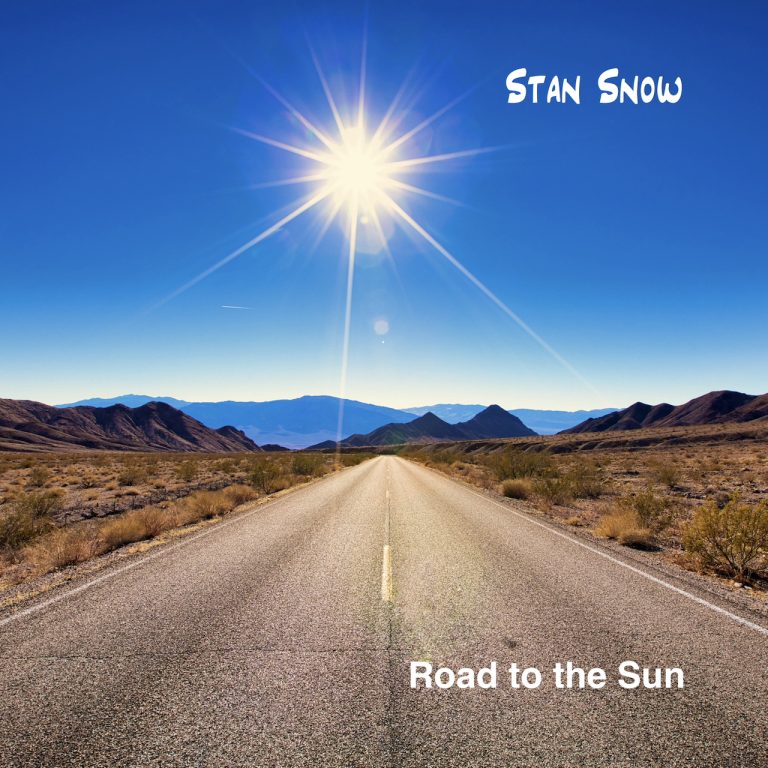
Seattle-based singer-songwriter, multi-instrumentalist, composer, arranger, producer, and filmmaker Stan Snow announces the release of his new album, Road to the Sun, out July 1, 2026, exclusively on Bandcamp, with individual songs releasing to all other digital platforms one song per month over the following twelve months. His most ambitious and fully realised work to date, it is a twelve-track sonic and lyrical journey through mysticism, inner growth, and hard-won wisdom — built on real musicianship, real arrangements, and a cast of collaborators whose combined credits span Paul McCartney, Aretha Franklin, Whitney Houston, Heart, and beyond.
No AI. Real music. Real musicians.
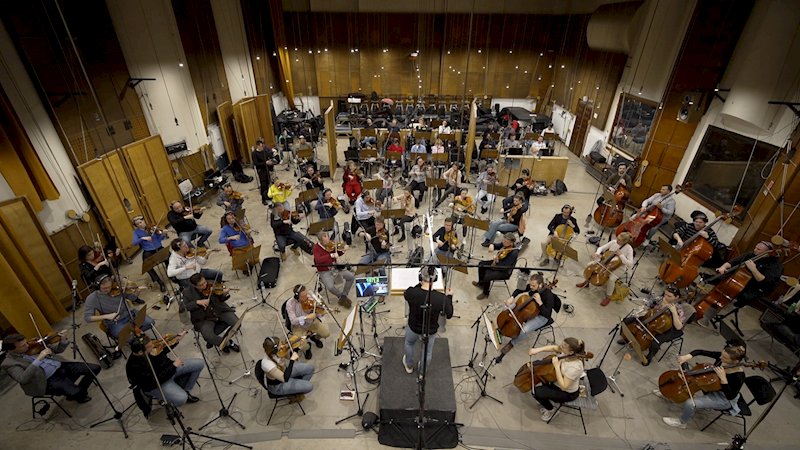
Road to the Sun is rooted firmly in rock and roll but sprawls magnificently across Americana, indie, progressive, classic rock, and symphonic soundscapes — always centred on the groove, always guided by Stan Snow’s commanding, smooth lead vocals and trailblazing guitar work. Much like Pink Floyd’s Dark Side of the Moon or Tom Petty’s Wildflowers, the album creates a singular sound that, while expansive and dynamic, never deviates from its thematic heart. The result is an experience akin to a meditation walk through nature — suspended in air, open to light.

Lyrically, Road to the Sun lets the light in through a prism of mysticism, inner growth, and the kind of wisdom that only comes from living. It welcomes all elements of the human experience while primarily opening the window to brightness, radiance, and inspiration. Much like George Harrison’s visionary later work, Snow leads the way through profoundly reflective and sacred territory — philosophical lyricism woven into a musical tapestry of bright melodies and ever-shifting dynamic terrain.
Each of the twelve songs was written and recorded in the order it appears on the album. The sequencing is intentional and essential.
“Each album is like a symphony,” Snow says. “Each song like a movement or section. It’s intended to be actively listened to in the order the songs appear. That said, each song is intended to stand on its own, capturing the spirit of what the song is about.”
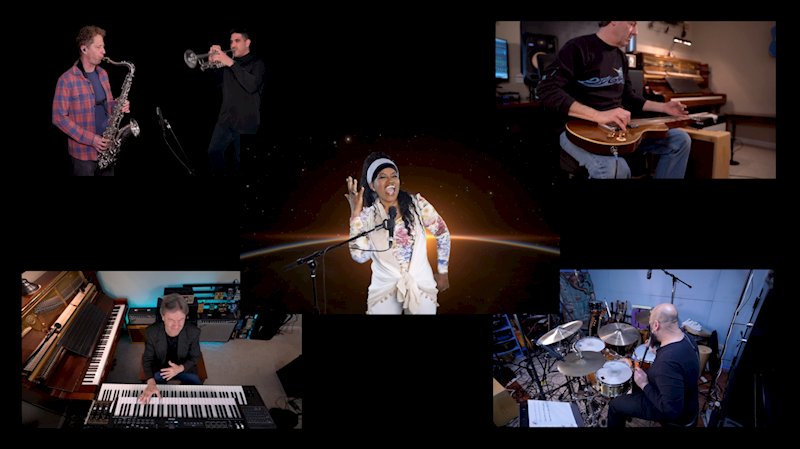
Road to the Sun features a remarkable cast of collaborators — all real musicians, all performing live instruments, with zero AI involvement in the creative process:
Stan Snow — vocals, guitars, and multiple instruments
Abe Laboriel Jr. — drums (Paul McCartney)
Valerie Pinkston — vocals (Aretha Franklin, Whitney Houston)
Ben Smith — drums (Heart)
The Budapest Scoring Orchestra
…among others
Stan Snow‘s guitar work is the connective tissue throughout — a style shaped by fifty years of playing and informed by the influences of Larry Carlton, Robben Ford, Pat Metheny, Jimmy Page, Jeff Beck, Eric Clapton, Steve Howe, Michael Hedges, Steve Morse, and many more. Every note, solo, lyric, groove, melody, voicing, chord progression, riff, and arrangement has to earn its place.
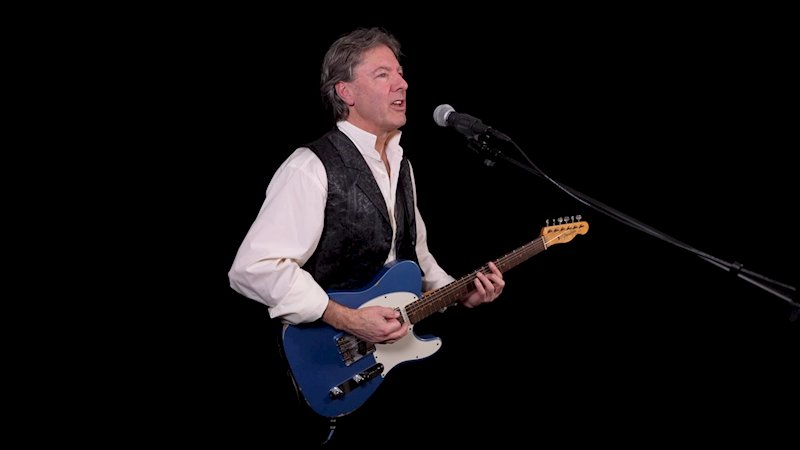
“The musicianship comes from 50 years of playing the guitar and other instruments,” Snow says. “Every note has to hold my attention — otherwise I get bored. Each song and production has to stand up to repeated listenings. It’s a craft, from beginning to end. Like solving a puzzle.”
“These days, most people are looking for authenticity. Real music, written and recorded by real musicians. No one I know likes to be fooled.”