

Home Blog Page 19

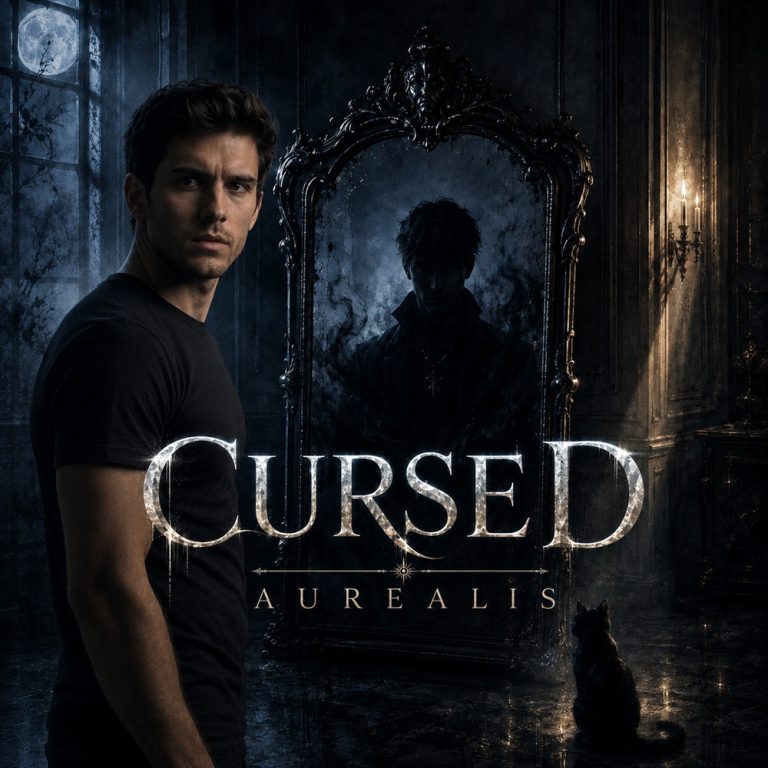
Cursed by Aurealis

0

Nashville-based project Aurealis has built its identity around immersive emotional storytelling and cinematic pop worlds, and “Cursed,” arriving June 26th, fits squarely within that vision. The song takes on hopelessness and inner doubt – specifically that internal voice that tells you every dream is doomed before it starts – and pairs it with haunting electronic production and layered vocals. An official music video comes with it, built around mirrors, shadow imagery, and a surreal cinematic visual language that the band considers integral to the full experience rather than supplementary to it. Worth noting upfront: the press materials disclose that the final production and visuals were created using AI-assisted tools as part of a human-led creative process, which is relevant context for a song that’s fundamentally about what it feels like to lose control of your own narrative.

Texture-wise, it sounds like the 80s with the drum machine sound and the synthpop vibes, but structurally, it sounds more like a 2010s pop song. The production quality is high and kind of reminds me of some Katy Perry songs, though it is missing a bit of the edge that I personally think AI-assisted tools still lack. There’s a smoothness to the sonic palette that works in the song’s favor for accessibility, but it occasionally irons out the kind of rough human grain that can make darkness in music feel genuinely uncomfortable rather than aesthetically pleasing. The layered vocals and shadowy melodic hook do their job, and the marriage of 80s textural nostalgia with contemporary pop architecture is handled well enough that the song moves without feeling dated or overly familiar.

“Cursed” is at its strongest when the production steps back and lets the emotional premise breathe. The concept – that moment when hope starts going quiet, and you’re fighting to hold onto it – is a compelling one, and Aurealis clearly knows how to dress it for maximum atmosphere. Whether the AI-assisted process is a limitation or just a different set of tools depends on what you think music needs to do. What’s here is polished, listenable, and dark in the way that commercial pop can be dark – which is its own lane, even if it isn’t everyone’s.
STEPPING INTO THE LIGHT BEYOND FEAR..

0

Under a blazing, imagined horizon, Moon and Aries open “High Noon” like a slow-burning scene from a modern western, only this time, the desert breathes in synths and soul. As part of their unfolding Prairie Souls EP, the track provides a soundspace where sound becomes landscape and transformation takes an almost physical shape.

Built on trip-hop-inspired rhythms and atmospheric electronics, “High Noon” moves with a calm, hypnotic pulse. Jordana Moon’s vocals drift through the mix with a soft clarity, carrying both intimacy and distance at once. 

The organic instrumentation deepens this world. Guitar lines from Peter J. Mitchell cut through like sunlit edges on a desert road, while Hanna Marchand’s saxophone lingers with a warm, almost aching presence. Together, they blur the boundary between electronic structure and human breath, shaping a sound that feels cinematic without ever losing its emotional core.

“High Noon” circles around a moment of release and self-reckoning. “Time is right / I am coming out of hiding / I am so high,” becomes less a refrain and more a turning point, an internal shift rendered in sound. Elsewhere, imagery of movement and surrender, “like a desert to your rain / I’ll never be the same”, anchors the track in emotional transformation rather than abstraction.

There’s vulnerability in the simplicity of its message: “no more hiding” repeats like a quiet decision finally made. The track doesn’t dramatize awakening; it inhabits it.

With “High Noon,” Moon and Aries refine their Electronic Cinematic Soul into something luminous and unforced, stepping fully into a space where fear dissolves and sound becomes a passage toward light..

TRACING IDENTITY THROUGH SOUND AND SYMBOL!

0

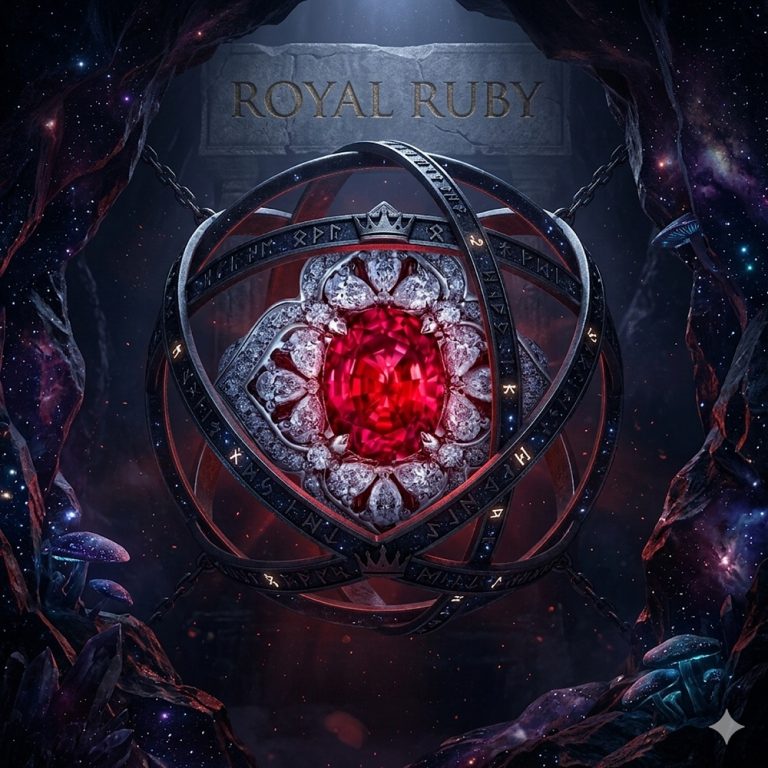
In “Royal Ruby”, Ray Gibbz channels lineage into sound, using music as a way to reconnect with ancestral memory. The San Diego-based artist roots the track in his African heritage, building a narrative around a mythical royal ruby forged by three ancient goddesses. Ray Gibbz transforms identity into structure here, letting heritage quietly shape the entire emotional and sonic direction of the record.

Ray Gibbz constructs a story-world built on symbolism, discovery, and inner reflection. The search for a lost artifact becomes something larger: an echo of origin, belonging, and the fragments of history that shape personal voice. The track moves like a cinematic sketch, where meaning is carried as much through concept as through sound.

The production, crafted entirely in his home studio, reinforces that sense of intention. It’s stripped back, raw in texture, but focused in execution. The minimal approach keeps everything aligned with the storytelling core. There’s clarity in its simplicity, as if nothing is placed without purpose.

At this stage, Ray Gibbz comes across as an artist still actively defining his sonic identity: self-taught, independent, and guided by instinct as much as influence. The artist is not necessarily presenting a finalized aesthetic, but a process unfolding in real time, where heritage, experimentation, and personal mythology intersect.

Through “Royal Ruby”, Ray Gibbz turns symbolism into sound design and memory into movement, offering a release that feels less like a fixed statement and more like an evolving language of identity!

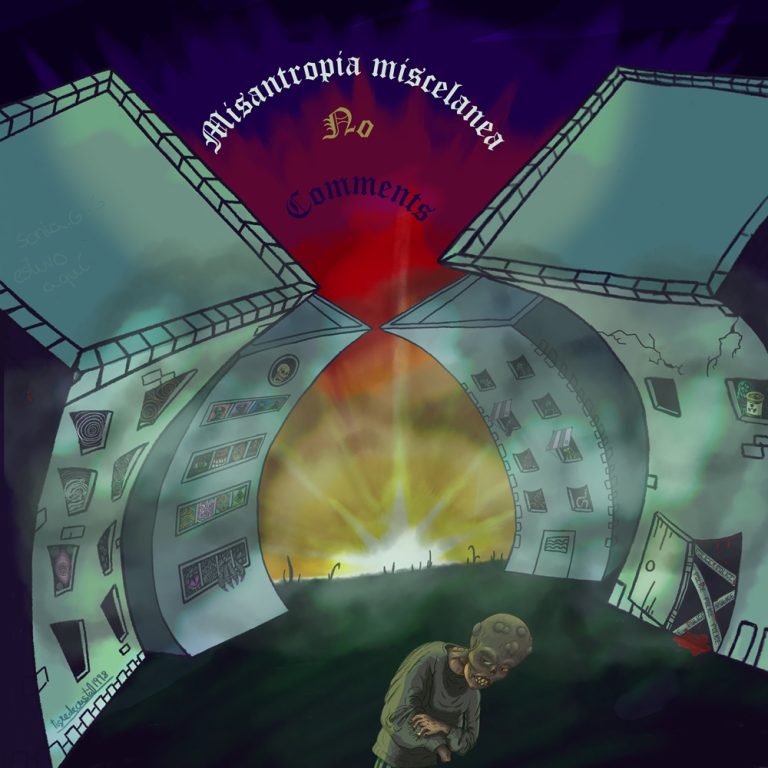
Misantropia Miscelanea Releases Raw and Unfiltered New Single “No Comments”

0

Misantropia Miscelanea, the deeply personal solo project known for its uncompromising honesty and genre-blending sound, releases the powerful new single “No Comments”.

True to the project’s ethos, “No Comments” delivers raw, unfiltered truth wrapped in emotionally charged melodies. The track confronts themes of social rejection, the struggle to stay authentic, and the frustration of being misunderstood — speaking directly to anyone who has ever felt out of place in a world that demands conformity.

Over the past six years, Misantropia Miscelanea has built a distinctive catalog that refuses to be boxed into one genre. Beginning with influences from math rock, acoustic, and jazz, the project has evolved into a bold fusion of punk, metal, and post-hardcore energy, anchored by emotionally resonant melodies and brutally honest lyrics. Every release maintains the same core principle: speak the truth, no matter how uncomfortable.

This latest single continues that mission, offering a cathartic blend of intensity and vulnerability that rewards listeners who connect with raw, authentic expression.

“No Comments” is available now on all major streaming platforms.

About Misantropia Miscelanea

Misantropia Miscelanea is a solo project that reflects a wide diversity in music while staying fiercely committed to truth-telling. With influences ranging from math rock and jazz to punk, metal, and post-hardcore, the project creates songs that pair emotionally powerful melodies with raw, unfiltered lyrics. Tackling themes of social rejection, identity, and the struggle to remain true to oneself, Misantropia Miscelanea delivers music that feels both personal and universally relatable.

MILYAM Invites Listeners into a Cinematic World with New Single “Lost In The Jungle”

0

Visionary independent artist MILYAM unveils her latest single, “Lost In The Jungle”, a mesmerizing and immersive track that transports listeners into a lush, cinematic sonic landscape.

More than just a song, “Lost In The Jungle” is a world you can get lost in. Building on the global acclaim for her previous single “Intimacy” (now in rotation on Amazing Radio UK & USA), MILYAM crafts an enveloping experience filled with velvet vocals, atmospheric textures, and a masterful blend of shadow and light. The production surrounds the listener like a sequence from a timeless film, guiding them through sonic jungles where emotion, depth, and atmosphere take center stage.

“Lost In The Jungle” continues MILYAM’s signature approach — sophisticated, high-fidelity soundscapes that go beyond listening and invite deep feeling. As the architect of her own sonic universe under MILYAM EMPIRE, she blends high-end minimalist aesthetics with cinematic production, creating a distinctive global sound that connects heritage, emotion, and innovation.

Recognized by international media as a “visionary artist” with a “sultry and captivating vocal identity,” MILYAM is building a professional independent legacy. With her catalog officially registered with the U.S. Library of Congress, she stands as a powerful force in atmospheric global music.

“Lost In The Jungle” is available now on all major streaming platforms.

About MILYAM

MILYAM is a global independent singer-songwriter and founder of MILYAM EMPIRE. She creates sophisticated fusions of atmospheric sound, blending high-end minimalist aesthetics with cinematic production and a sultry, captivating vocal identity. Her music offers immersive, emotionally rich experiences that bridge cultural depth with futuristic vision, establishing her as a distinctive voice in modern independent music.

Benji Miller Releases Heartfelt New Single “Hey Darcey”

0

Rising alternative R&B artist Benji Miller unveils his touching new single “Hey Darcey”, a compassionate and emotionally intelligent track from his forthcoming debut EP Love Or Pain.

An intimate snapshot of watching someone you love disappear into themselves during a depressive episode, “Hey Darcey” captures the helplessness, melancholy, and quiet frustration of being close to someone struggling while trying to hold space for them. With the recurring image of “blue” representing both sadness and that hollow headspace depression can create, the song balances vulnerability with subtle uplift — a gentle reminder that you’re not alone.

Blending rich, layered harmonies with laidback acoustic guitar, rhythmic bass, and subtle organ, the track feels warm, comforting, and timeless. It reveals a more stripped-back, intimate side of Miller’s songwriting following the vibrant electronic energy of his first single “Be My Remedy.”

“Hey Darcey is about watching someone you love disappear into themselves,” says Miller. “It tries to capture the particular helplessness of being close to someone going through a depressive episode… the line ‘Where’s your name gone?’ came from that feeling — like the person you know is still in there somewhere, but just out of reach.”

At just 22 years old, Benji Miller is emerging as one of London’s most promising new voices in alternative R&B. Drawing influence from artists like Dominic Fike and Mac Miller, his music combines nonchalant musical edge with raw, relatable storytelling rooted in personal experience. Love Or Pain serves as both an introduction and a confident statement of intent, a raw document of navigating the emotional highs and lows of early adulthood.

“Hey Darcey” is available now on all major streaming platforms, with the full EP Love Or Pain coming soon.

About Benji Miller

Benji Miller is a London-based alternative R&B artist known for his emotionally honest songwriting, distinctive vocal style, and genre-blending sound. At 22, he crafts music that explores love, identity, mental health, and the complexities of young adulthood with maturity and vulnerability. His debut EP Love Or Pain marks the arrival of a fresh, compelling voice in the UK music scene.

Let Me Take you to Snap City EP by Geese Da Goon

0

Washington, D.C. artist Geese Da Goon built this four-track EP specifically for the skating floor, and that purpose shows in every choice the project makes. Snap City isn’t a metaphor here – it’s the actual culture, the DJs, the skaters, the regional pride that’s shaped generations of D.C. roller skating, and Geese has set out to document it rather than just reference it. Tracks like “DJ Prodigy Exclusive,” “Rolla México,” and “Let’s Ride” each carry their own flavor of that scene, with “Rolla México” already crossing over internationally after being featured at Rolla México’s event in April. Geese has framed his return plainly: he didn’t leave the skate scene, he stepped away to build something and came back with a soundtrack for it. That’s exactly what this EP functions as.

The EP is essentially four variations of the same song, and the slight variations make it fresh, but at the same time, it feels like listening to the same song four times in a row – which is fine by me, because the Snap City rhythms and vibes are catchy enough that I was going to play it on repeat anyway. Getting four slightly different variations is like a great added bonus. The drums are incredibly energetic and snappy (pun intended), and the bass is the real unsung hero that makes the whole thing work, in my opinion – it’s the element holding the groove together underneath everything else, the part your body locks onto even when you’re not paying attention to it directly.

For a project built around a specific physical culture, that consistency isn’t really a flaw – it’s the design. Skate sessions run on momentum, not variety, and “Let Me Take You to Snap City” understands that better than an EP built for casual listening ever would. Geese Da Goon hasn’t just made a soundtrack for the floor – he’s made one that actually works on it.

Star Light Star Bright by Vela Jones

0

Vela Jones is a virtual artist – a fictional persona built at the intersection of music, imagination, and technology, with all of the visuals and videos surrounding the project AI-generated rather than depicting a real person. The concept positions Vela Jones in the cinematic art-pop space, drawing comparisons to Kate Bush, Goldfrapp, and Björk for the project’s previous single “Static Air.” “Star Light Star Bright,” released June 12th, takes the simple, universal act of wishing on a star as its jumping-off point, exploring hope, distance, and connection through shimmering synths and atmospheric production. Worth knowing going in: this isn’t a band or a singer in any traditional sense, but a constructed identity, and that context shapes how you might read everything else about the project.

The song itself is very pleasant to listen to, though it does play it pretty safe and lands squarely in that bright pop sound – maybe something closer to Taylor Swift than the more art-pop, Kate Bush-leaning territory I’ve heard people reach for elsewhere in the buzz surrounding the release. The synths are warm, the structure is comfortable and accessible, and nothing here is going to surprise you, for better or worse. It’s a likable, well-constructed pop song that does exactly what it sets out to do without pushing into the riskier or stranger corners its stated influences suggest it might.

Whether a virtual artist project ultimately needs to push harder into the strange and atmospheric territory it claims, or whether straightforward, pleasant pop songwriting is simply where this particular persona is most comfortable, is the real question “Star Light Star Bright” leaves open. As a song on its own terms, it works fine. As a statement of artistic identity for something explicitly designed to feel otherworldly, it plays it safer than expected.

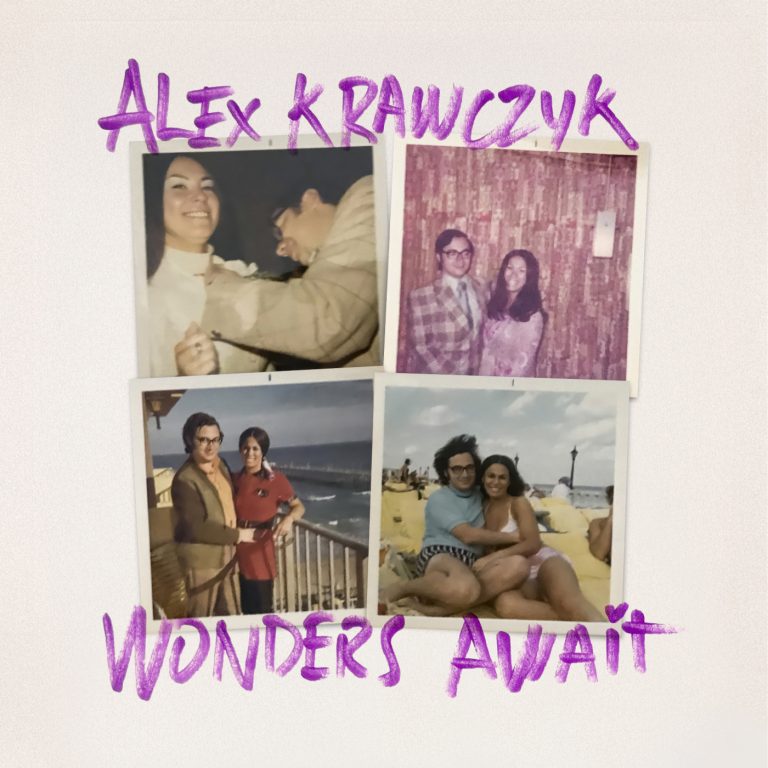
A Song for the Long Road: Alex Krawczyk’s “When The Road Is Uneven”

0

The finest folk songs have never promised easy answers. They have offered company. From the old ballads carried across oceans to the songs sung on front porches, picket lines, and kitchen floors, folk music has long served as a companion for those navigating uncertain terrain. Toronto musician, Alex Krawczyk’s “When The Road Is Uneven” belongs to that tradition.

Written by Krawczyk and Robbie Roth, the song is a gentle affirmation of resilience, a reminder that hardship is not an exception to life but one of its constants. Yet rather than meeting adversity with defiance or dramatic resolve, Krawczyk responds with something quieter and, perhaps, wiser: compassion.

The song opens with an image that feels both personal and universal. “I’ve got a song that I sing when I’m down, something to steady my soul.” It is a line that could have been spoken by any number of folk singers across generations. Woody Guthrie carried songs through dust storms and hard times. Pete Seeger believed music could sustain communities through struggle. Countless singers have turned to melody not as escape, but as a means of endurance.

Krawczyk understands that tradition well.

Her gift as a songwriter lies in her ability to recognize the extraordinary within ordinary experience. There is nothing complicated about the language of “When The Road Is Uneven.” The imagery is direct. The sentiments are plainspoken. Yet simplicity has always been one of folk music’s greatest strengths. The challenge is making familiar truths feel fresh, and Krawczyk succeeds by grounding every lyric in sincerity.

The song’s central refrain—”When the road is uneven let the music renew your stride, and the rhythm take you home”—captures the essence of the piece. Music becomes both metaphor and refuge. It is the force that restores balance when life’s path grows uncertain. The idea is not presented as philosophy but as lived experience.

Producer Robbie Roth wisely allows the song room to breathe. The arrangement unfolds with patience and grace. Acoustic guitar forms the foundation, while subtle keyboard textures and tasteful electric guitar accents provide depth without distraction. Nothing feels hurried. Every note serves the song’s emotional purpose.

The ensemble performs with remarkable sensitivity. Bassist Devon Henderson and drummer Davide DiRenzo establish a steady pulse that mirrors the song’s message of persistence. Robbie Grunwald’s piano and keyboards add warmth, while the electric guitars from Tim Bovaconti and Caroline Marie Brooks bring color and nuance to the arrangement.

Equally important are the harmonies provided by Brooks, Julie Title, and Roth. Folk music has always been communal music, and these voices reinforce that heritage. They transform the song from a solitary reflection into a shared experience. The listener is reminded that burdens are often lighter when carried together.

At the center remains Krawczyk’s voice—clear, warm, and deeply human. She sings without affectation, trusting the song to carry its own weight. In doing so, she invites listeners into the narrative rather than performing at them. The effect is intimate and reassuring.

What distinguishes “When The Road Is Uneven” is its understanding that strength need not be loud. In a culture that often celebrates grand gestures and dramatic declarations, Krawczyk offers a quieter vision of resilience. Her song suggests that courage is found in continuing forward, in choosing kindness, in finding beauty amid uncertainty.

Like the best folk songs, “When The Road Is Uneven” leaves listeners not with answers but with companionship. It reminds us that difficult roads are part of every life and that music, at its best, can help illuminate the way.

That is a lesson as old as folk music itself, and Alex Krawczyk delivers it with grace.

–Kris Cottall

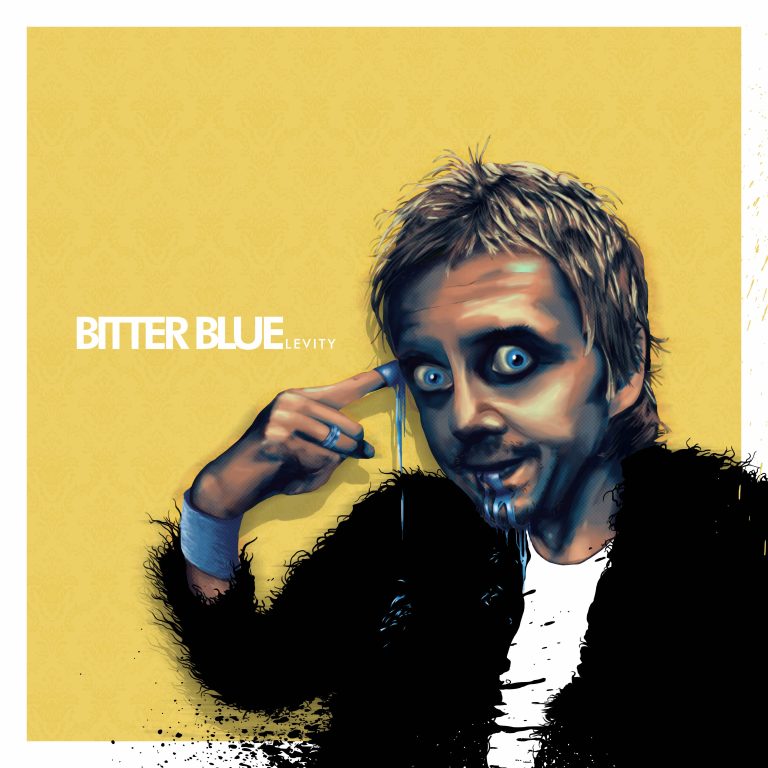
A SOFT COLLAPSE IN FIVE ACTS..

0

Born out of personal upheaval and long-standing friendships, Bitter Blue’s Levity carries the weight of real, lived moments, both unfiltered as well as unresolve. There’s no attempt to tidy things up here; instead, Bitter Blue allow Levity to lean fully into the mess, tracing the fragile line between collapse and creation, and finding meaning somewhere in between.

Built on jangly guitars, tight grooves, and melodies that quietly insist on staying with you, Levity unfolds with a kind of reckless sincerity. “Someone Better” opens the EP with a gentle pull inward:vsoft, introspective, almost hesitant; before blooming into something more expansive and self-aware. It sets the emotional tone without overstating it.

That restraint quickly gives way to tension. “Dirty Business” arrives sharper, more urgent, its pulsing rhythm mirroring a sense of inner restlessness, like trying to break free from something invisible but deeply felt. There’s a nervous energy here that contrasts beautifully with the opener’s vulnerability.

“Flare” leans into a hazier, more fluid atmosphere, carrying a subtle sensuality in both its melody and pacing. “Sentinel,” on the other hand, becomes one of the EP’s most striking moments: slow-burning at first, then gradually expanding into something fuller, almost anthemic, where introspection turns into release.

“What Are You?” closes the EP. The mood shifts inward again. There’s a nocturnal quality to it: quieter and searching, yet it doesn’t feel like a resolution. Instead, it suspends somewhere between clarity and confusion.

Bitter Blue’s Levity simply exists in its raw state. The band doesn’t avoid contradiction, they embrace it, allowing softness and tension, clarity and chaos to coexist. It’s almost like a true portrait of life itself..