Home Blog Page 22

50mething Releases Bold New Single “O oh it’s AI”

0

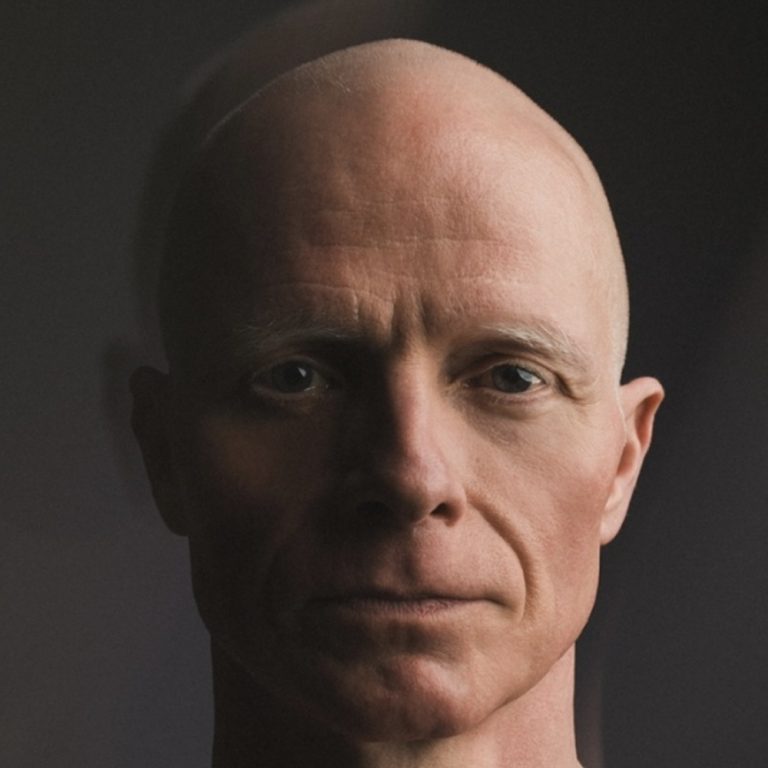
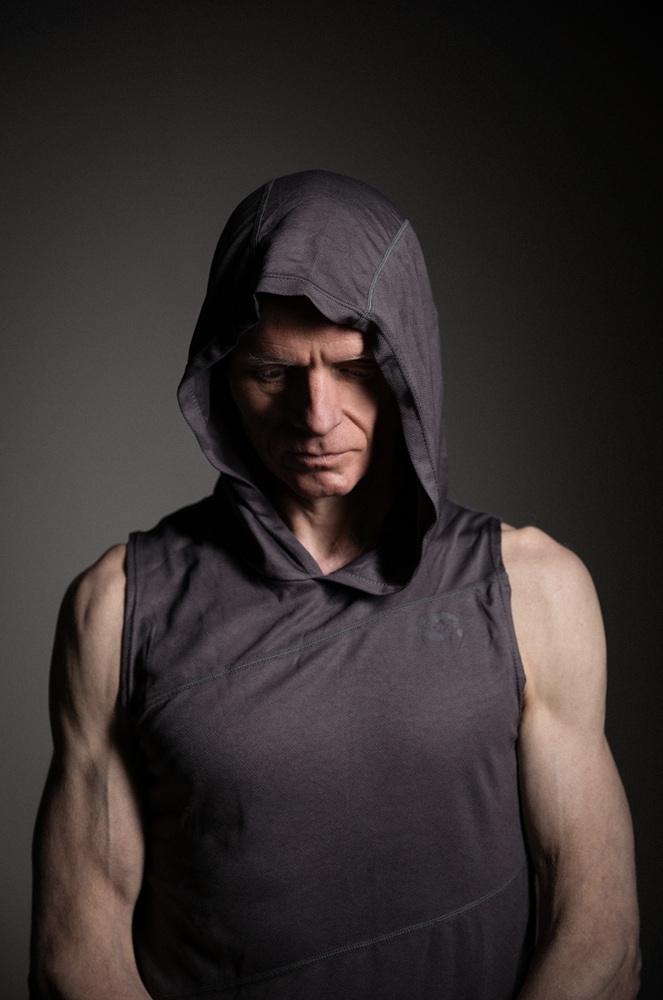
Independent solo artist 50mething (Paul Jenner) confronts one of the most pressing issues of our time with the release of his powerful new single “O oh it’s AI”.

Born from the relentless flood of artificial intelligence into everyday life, the track delivers an unflinching message about AI’s darker implications — from job displacement to the exploitation of vulnerable populations, particularly women and children. While acknowledging that some applications of the technology serve positive purposes, 50mething focuses on its capacity for harm and compromise in a society increasingly overwhelmed by its rapid proliferation.

Working entirely alone from his home studio in Ealing, 50mething crafts music with complete artistic control and uncompromising honesty. At 58 years old, the former dancer and garden builder began releasing music in January 2026 after overcoming a cancer diagnosis in 2024. Drawing perpetual inspiration from Prince, his work reflects the confidence of maturity and a fearless willingness to address subjects many artists avoid.

“This stands out because there’s too much of it,” says 50mething. “Coming thick and fast. A constant flow.”

With a large catalogue of unreleased tracks, 50mething continues to release music gradually via Ditto, using his platform to speak on social and political realities with clarity and conviction.

“O oh it’s AI” is available now on all major streaming platforms.

About 50mething

50mething is a solo independent artist from Ealing, England. At 58, he brings depth, honesty, and lived experience to his music, creating story-based tracks that tackle contemporary issues head-on. Inspired by Prince and driven by a refusal to stay silent, his work blends personal reflection with social commentary. After a cancer diagnosis in 2024, he began sharing his extensive catalogue in 2026, proving it’s never too late to follow your creative path.

Jon Gold Releases Charming Modern Bossa Nova Single “Our Love Blooms in Bossa”

0

Acclaimed composer and pianist Jon Gold unveils his new single “Our Love Blooms in Bossa”, a warm, expressive, and joyful bossa nova piece that marks his first composition featuring lyrics in both English and Portuguese.

The track captures the pure contentment and bliss of a woman deeply in love, embracing the joy of living fully in the present moment — neither lost in the past nor anxious about the future. With its gentle groove and luminous atmosphere, “Our Love Blooms in Bossa” radiates light and romance.

Jon Gold’s tender piano work is beautifully complemented by the endearing vocals of one of Brazil’s fastest-rising talents, Marina Marchi, whose playful and heartfelt delivery perfectly embodies the song’s spirit. Guilherme Hoss channels the elegant style of João Gilberto on guitar, while Bruno Tessele provides subtle, swinging drums.

This release continues Jon Gold’s deep connection to Brazilian music, a passion honed during his time living and working in Brazil on a fellowship from the Brazilian Government. He has performed and collaborated with legends including A.C. Jobim and Hermeto Pascoal, and has built an impressive catalog of albums featuring world-class musicians.

“Great modern bossa nova with wide appeal across many demographics,” says Gold of the track.

“Our Love Blooms in Bossa” is now available on all major streaming platforms.

About Jon Gold

Jon Gold is a composer, pianist, and educator with deep roots in jazz, Latin, and Brazilian music. A San Francisco Bay Area native, he has performed with Dizzy Gillespie, taught at PUC-Rio in Brazil, and collaborated with some of the greatest names in Brazilian music. Now based near New York City, Gold continues to create sophisticated, emotionally resonant music that bridges cultures and generations. His previous album Bossa of Possibility received 4.5 stars from DownBeat magazine.

A RIVER OF MEMORY AND LONGING!

0

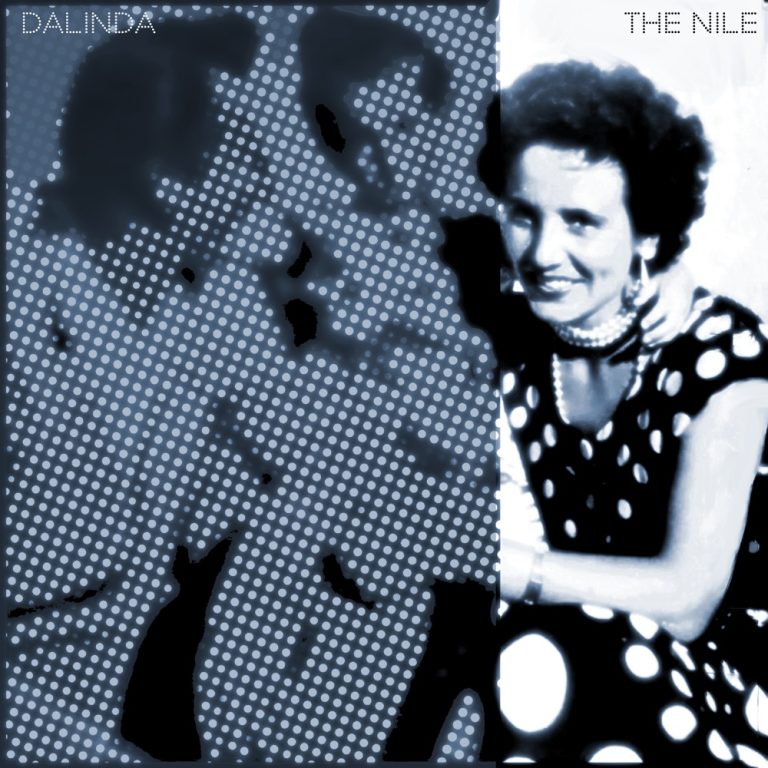
With Bosnian roots, an upbringing in Libya, and a current base in the UK, Dalinda has carved out a career shaped by cultural diversity and unique experiences. In her latest single, “The Nile,” the artist draws on this rich creative background to deliver an authentic and moving piece centered on love, loss, and the power of memories that continue to shape our lives long after the moments themselves have passed.

Recorded exclusively with live instruments and produced by Pete Murray, “The Nile” carries a warm, organic sound. Guitars, percussion, and ambient soundscapes create a beautiful texture throughout the track, while indie folk elements blend seamlessly with influences from Balkan music and subtle Middle Eastern nuances. The result is a deeply personal and immersive journey through memory.

The main strength of “The Nile” lies in its genuine emotional intensity. Inspired by Dalinda’s mother and written during a period when grief and the depth of love became especially apparent to her, the song is filled with vulnerability and sincerity. Ethereal vocals flow effortlessly through the composition, adding elegance and grace, while the dramatic bridge introduces a cinematic quality that elevates the track even further.

With “The Nile,” Dalinda achieves something remarkable, offering listeners a beautiful and emotionally resonant song that balances personal storytelling with universal emotions. It stands as a powerful statement on music’s ability not only to express emotion, but also to connect memories, cultures, and human experiences across time and place.

Mind is on Vacation by Judith Owen

0

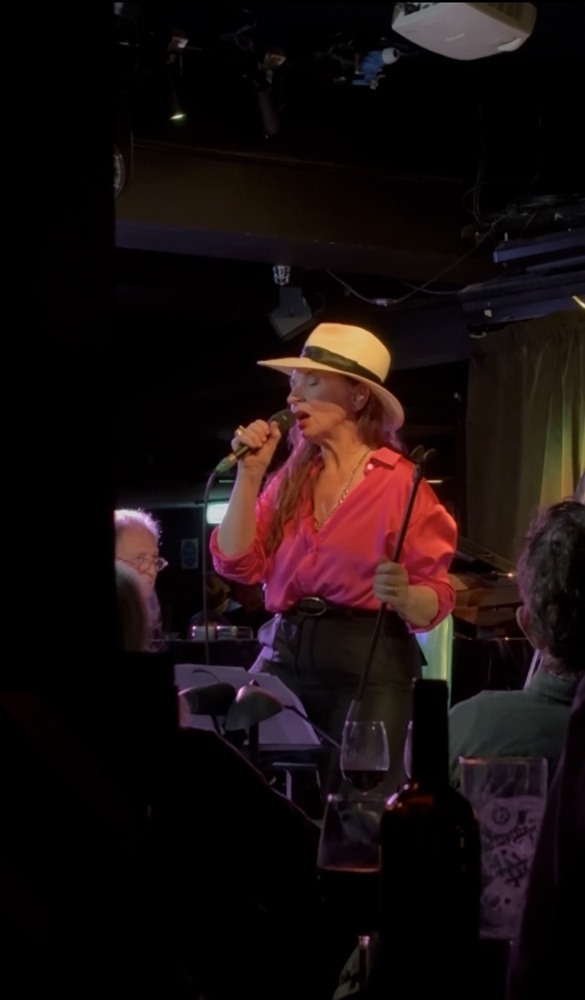
Welsh vocalist Judith Owen has spent her career digging up the lesser-known gems of jazz and blues and giving them new life, and her latest album, “Suit Yourself” continues exactly that project. Owen grew up in London in a household steeped in classical music, ballet, and the jazz records her parents kept on the shelves – artists like Julia Lee, Blossom Dearie, and Nellie Lutcher sitting alongside Oscar Peterson and Jelly Roll Morton. That upbringing became her mission: to find the songs that deserved more than they got and do them justice. “Mind Is On Vacation” is a Mose Allison classic, and Owen’s choice to include it on “Suit Yourself” isn’t arbitrary. As she puts it, the song speaks directly to what’s going on in politics right now – the endless talking, the absence of meaning, the apparent freedom from any obligation to tell the truth. She calls it one of the greatest songs about narcissism ever written. It’s also, she notes, smart, funny, and catchy as hell. Joining her on the track is Joe Bonamassa, whose guitar work needs little preamble.

Musically, this song, like all songs under the blues tradition, is all about the storytelling aspect of music and the nuance of the performance of all the musicians participating here. The rhythm section of keyboard, drums, and bass is really locking down that beautiful bluesy swing that enables Judith to have so much freedom and swagger in her vocal performance as she delivers the truth. Of course, Joe Bonamassa needs no introduction – his playing is legendary and serves the song tastefully here. Judith’s performance oozes power not because it’s loud or overpowering the other instruments, but it oozes power in the sense that she has control over every bit of the performance. It has that incredibly charming confidence, which serves the song’s narrative very well, as it’s about putting someone with a big mouth in their place.

Mose Allison wrote “Mind Is On Vacation” decades ago, and it has never been less relevant than it is right now, which is either a damning commentary on human nature or a testament to how good the song is – probably both. Owen’s version slinks rather than stomps, letting the lyric do the damage while the band holds steady underneath her. The political subtext she brings to it gives the track an additional edge without the song ever needing to announce it. Owen is currently taking “Suit Yourself” across Europe and the US through the rest of 2026, with sold-out Swiss dates already behind her and upcoming slots at Love Supreme Festival and Umbria Jazz. If this track is any indication of what the full album delivers, those rooms are in for a treat.

Jokes On You by Torrio

0

Torrio is a seasoned independent artist with seven albums behind him and a career that goes back further than most people would guess. In the late 1990s, he independently released a single that landed national retail placement through Camelot Music, which led to a behind-the-scenes role at Rival Records promoting acts like Men At Large before eventually signing an artist development deal with the label himself. After parting ways in 2001, he kept building independently – three nationally distributed albums, radio airplay, award nominations, collaborations with Cleveland artists and national names alike. “Jokes On You,” released June 5th, is his latest, and it sits squarely in the tradition of hip-hop as personal testimony: a confrontational anthem about staying focused while everyone around you counts you out, delivered with the kind of unapologetic confidence that only comes from having actually been through it.

The song uses very unconventional dark harmony that can only come as a result of experimentation from a self-taught musician, but the eerie and disconnected feel it creates supports the aggression and the confrontational nature of the song well. The chorus features what sounds like either a real vocalist processed to sound robotic or some kind of sampled vocal – the end result lands somewhere between the two and is very interesting, like a horror movie soundtrack dropped into a rap record. It’s an unusual production choice for a song about resilience and self-belief, but it works precisely because it doesn’t go the obvious route. The dissonance in the music mirrors the dissonance of the situation the lyrics are describing – being surrounded by doubt while refusing to let it in.

That instinct to subvert expectation is what makes “Jokes On You” worth paying attention to. The message itself is well-worn territory in hip-hop, but the sonic frame Torrio builds around it is his own. Seven albums in, he’s still finding ways to make familiar themes sound like something you haven’t quite heard before.

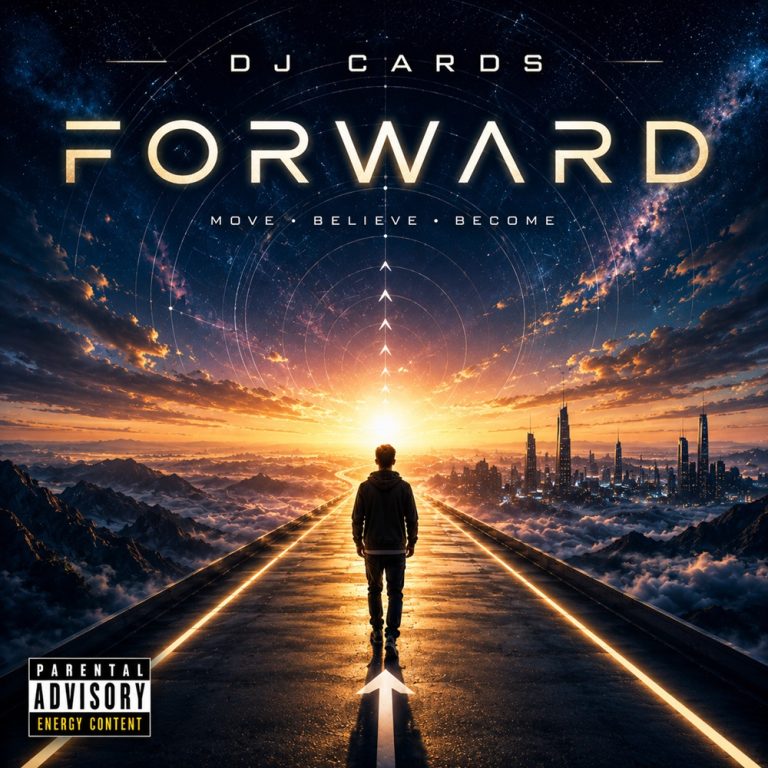
Forward by DJ Cards

0

Michael Cardamone is a 52-year-old Philadelphia attorney who owns his own law firm, trains Muay Thai, BJJ, Karate, and Aikido, and started making EDM last year after decades of playing drums and messing around with synthesizers. He releases music under the name DJ Cards, and “Forward” dropped on June 5th as his latest uplifting trance single. The backstory isn’t incidental – it’s essentially the whole thesis of the track, which is about momentum, perseverance, and leaving doubt behind. There’s something genuinely fitting about a man in his fifties, decades into a serious career, finally putting all the pieces together and making music specifically about moving forward. The track is instrumental, letting the melody carry the emotional weight rather than relying on vocals, and it’s designed for exactly the kind of late-night, high-energy, head-down moments the title suggests.

The energy is palpable, and the momentum is unironically very “forward.” It has a flavor of EDM that’s actually considered a bit outdated – it’s like the trance music of the early 2010s, like those classic A State of Trance sets that Armin van Buuren used to close out with at four in the morning. The soaring melodies, the euphoric build-and-drop structure, the driving rhythms underneath it all – this is trance in the purest sense of the word, chasing that specific feeling of release that the genre was built around before it splintered into a hundred subgenres. Whether that reads as nostalgic or simply timeless probably depends on your relationship with that era of electronic music, but Cardamone commits to it fully, and the production holds up.

“Forward” doesn’t reinvent anything, and it doesn’t seem to want to. What it does is execute a specific emotional experience with conviction – and for a genre where conviction is half the job, that counts for a lot.

Love Is Wrong Without You by Mark Andrew Hansen

0

Sydney pianist and composer Mark Andrew Hansen is back with another single, and it sounds almost nothing like the last one we covered. “Love Enough,” his 2020 pandemic-era collaboration with American vocalist Jes Hudak, was a tender, piano-led ballad about longing and separation. “Love Is Wrong Without You” released May 16th, 2025, is something else entirely – a bass-driven, dance-influenced groove built around a Stevie Wonder-inspired foundation, specifically the legendary bass work on “I Wish.” Hansen wrote the bass line first, which he says is rare for his process, and constructed everything else around it. The result is a song about the specific frustration of being deeply interested in someone who simply doesn’t have the bandwidth for it – played, pointedly, for laughs as much as for feeling.

This is definitely the funkiest song I’ve heard from Mark Andrew Hansen. Though harmonically it doesn’t venture into the stank face category, because it stays firmly put in that brighter pop framing the song needs, the mood is playful, not yearning. But the rhythm work is definitely very danceable and a bit of new territory for Mark. The punchy brass sections in the chorus do the Stevie Wonder homage proud, and the bridge sneaks in an ascending string line over a chromatically moving bass pattern that gives the track a moment of genuine musical sophistication without disrupting the groove. As with “Love Enough,” Hansen recorded everything at home with no compression or auto-tune, which keeps the performances feeling immediate and human even when the arrangement is this polished.

Hansen has said the closing lyric sums it up best: “it helps to be in love with someone who has the time and energy to be in love with you.” The song wears that lightly, which is exactly the right call. The humor lands because the music is actually having fun, not just describing fun – and that’s harder to pull off than it looks.

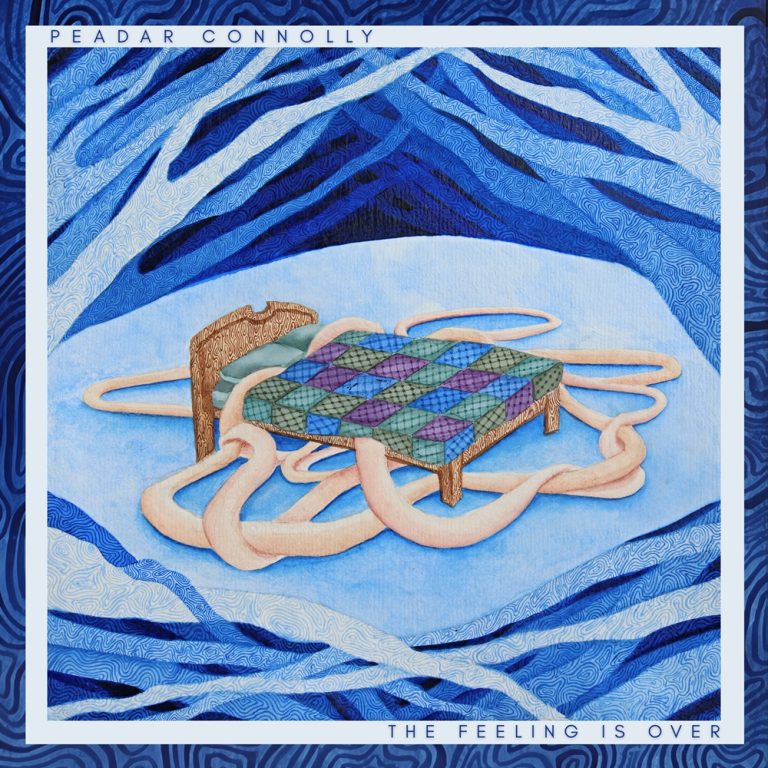
The Feeling is Over by Peadar Connolly

0

Irish singer-songwriter and ethnomusicologist Peadar Connolly released “The Feeling is Over” on May 28th, and it went straight to the top of the overall Irish iTunes chart on release day, with airplay on Resonance FM following shortly after. Hot Press called his debut single Codhlaím go Suan a “breathtaking debut,” and Connolly has since been featured on BBC Radio 3 and RTÉ Lyric FM, with Songlines-recognised production projects across Europe and a songwriting credit on the runner-up entry for RTÉ’s Eurosong 2024. “The Feeling is Over” was written and produced with his ex-boyfriend, Mitchell Keely. Originally a dance-pop track, it was dismantled and rebuilt entirely when Connolly brought it to Keely, becoming something quieter and more spacious in the process. The song is about the relief that comes after an amicable breakup: not the devastation, but the exhale. The fact that the two wrote it together after the relationship ended is its own kind of answer to what it’s about.

You can tell when you’re listening to a song that it’s special. I’m glad the collaboration between Mitch and Peadar ended up transforming the song from a dance-pop song to this much quieter and significantly more emotionally poignant version. I can’t imagine this song any other way – it feels timeless, it feels like this is the way it should be. The vocals are so intimate for the entire song, but especially in the first third, where the story is being laid out like the first act of a play. Then the warm textures that support the vocals harmonically get bigger and take up more space, and the vocals soar to heights I did not expect. It is breathtaking to listen to.

Connolly has described the song as being about the sighs of relief that happen through a breakup – the moment you finally speak honestly, when you stop overthinking, when you realise you’ll be okay. What’s remarkable is that the song actually makes you feel those things in sequence as it unfolds. That’s not a production trick. That’s craft.

If I Ruled by Ray Gibbz

0

Ray Gibbz was born in Los Angeles and moved to San Diego chasing a football career that never materialized. What followed was a decade of depression and alcoholism, until music found him in his late twenties and gave him something to hold onto. He’s entirely self-taught – no formal schooling, no music background to speak of – and produces everything himself out of his apartment. That’s the context behind “If I Ruled,” which dropped on April 6th, 2026, and it matters, because the song is a direct conversation with Nas’s “If I Ruled the World” – one of hip-hop’s most enduring statements about possibility, hope, and what you’d do with the power to change things. Invoking that song isn’t a small gesture. It’s a declaration about where you stand and what you think you’re capable of. For an artist whose entire creative life was built from scratch out of necessity, it turns out to be exactly the right reference point.

If a hip-hop artist lists Nas as one of their influences, you know you’ll be in for some great lyricism. The lyricism here would make Nas proud. The tradition of hip-hop being the bed for candid storytelling is being upheld – it’s poetry over a beat, and the beat’s purpose is to create enough momentum for you to ingest the lyrics. You will definitely need to spend some time doing that, because the lyrics say a lot, and there is a lot between the lines to get. In the spirit of great hip-hop, it rewards active and repeated listening.

Gibbz isn’t trying to remake the Nas track or ride its coattails – he’s using it as a foundation to say something of his own, and the production reflects that. The beat carries a classic sensibility without being stuck in nostalgia, assembled with enough care that every element feels placed rather than defaulted to. For a one-man operation running entirely out of a San Diego apartment, the control on display here is significant. The backstory of this artist – the late start, the hard years, the decision to build something from nothing – gives the song’s central question a weight it might not carry coming from someone with an easier path. What would you do if you ruled? Coming from Ray Gibbz, it sounds less like a hypothetical and more like something he’s already been working out the answer to.

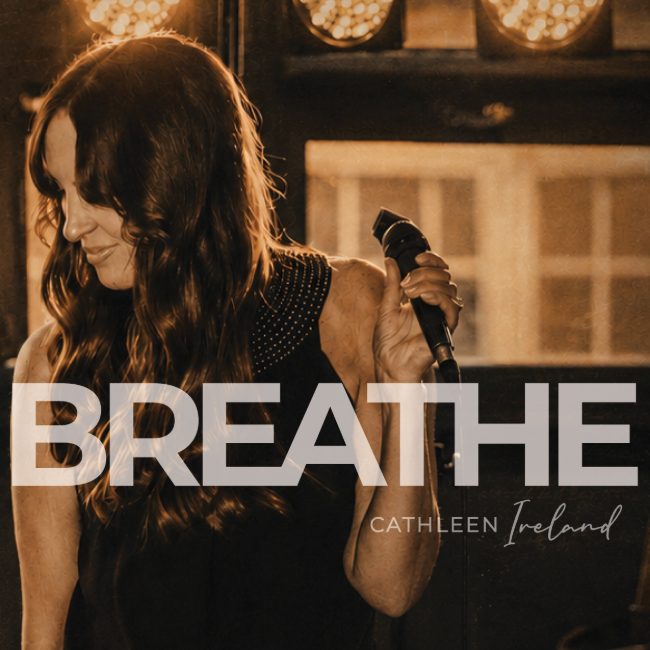
Cathleen Ireland Turns Daily Pressures Into a Pop Anthem on “Breathe”

0

Pop songs often promise escape. Cathleen Ireland’s new single, “Breathe,” offers something more practical: endurance.

Drawn from the realities of balancing family, career, creativity, and personal identity, “Breathe” transforms everyday pressures into a rhythmic affirmation. Released from her forthcoming album In the City, the song captures the emotional complexity of modern adulthood without succumbing to self-pity or easy resolutions.

From its opening lines, Ireland establishes the pace of the life she describes. The details are specific and familiar: preparing for a performance, managing responsibilities, and moving through a schedule that seems to leave little room for rest. The song’s narrator is a mother, wife, bandleader, and artist, attempting to satisfy competing demands while preserving a sense of self.

Rather than dramatizing those pressures, Ireland treats them matter-of-factly. Her observations arrive as snapshots rather than complaints. The accumulation of responsibilities becomes the song’s central tension, mirrored by a production that maintains steady forward motion throughout.

Written by Ireland and Danny E. B. and produced by Sean McDonald at Red Medicine Studios in Swissvale, Pennsylvania, “Breathe” blends contemporary pop textures with a message rooted in resilience. The arrangement is streamlined and efficient. Percussion drives the song forward while layered synthesizers create a polished backdrop that supports rather than overwhelms the vocal.

Ireland’s voice remains the focal point. She sings with clarity and conviction, avoiding excessive embellishment. Her delivery allows the lyrics to carry their own emotional weight. There is confidence in her performance, but also vulnerability, particularly when she addresses the exhaustion that accompanies constant responsibility.

The song’s chorus serves as its emotional center:

“Breathe / You got this, you got this girl.”

Repeated throughout the track, the phrase functions as both encouragement and necessity. It is less a declaration of victory than a strategy for survival. Ireland recognizes that perseverance often begins with something as simple as reminding oneself to continue.


What distinguishes “Breathe” from many contemporary empowerment anthems is its acknowledgment of ongoing challenges. The song does not present confidence as a permanent state. Instead, confidence emerges as a conscious choice made repeatedly in the face of uncertainty.

One of the song’s most revealing moments addresses the gendered expectations that continue to shape professional environments. Ireland references encounters with dismissive attitudes toward women, framing them as part of a larger landscape she has learned to navigate. The lyric arrives without bitterness or confrontation. Its effectiveness lies in its directness.

That perspective reflects Ireland’s broader artistic career. A longtime presence in Pittsburgh’s music community, she has spent decades developing her craft through projects including Friday’s Child, theFIVE6, and her current band, Hot Weather Holiday. Along the way, she has earned recognition from songwriting competitions, international music awards, and film festivals, where her music videos have collected numerous honors.

Those accomplishments inform “Breathe” without defining it. The song does not look backward. Instead, it focuses on the ongoing work of maintaining balance while continuing to move forward.

The production reinforces that theme. There are no dramatic breakdowns or moments of cathartic release. The music remains in motion, reflecting the reality that life’s obligations rarely pause long enough for complete resolution. The song’s momentum becomes its message.

As a preview of In the City, “Breathe” suggests an artist interested less in grand statements than in documenting lived experience. Ireland finds significance in ordinary struggles and transforms them into something communal. Her message is neither revolutionary nor complicated.

It is simply this: the demands may continue, the pressures may remain, but there is strength in persistence.

By the end of “Breathe,” Cathleen Ireland has crafted a song that recognizes the challenges of contemporary life while resisting cynicism. It is a reminder that resilience is often built not through dramatic triumphs, but through the quiet decision to keep going.

–John Parker