We Want Funkey! by Audren opens like a door into another mood entirely, one where the weight of the world softens, and rhythm takes over. It doesn’t build toward release; it begins there!
The groove doesn’t just accompany you, it moves you. Warm, grounded, and deeply intentional, the bassline anchors everything with a kind of quiet authority. It’s the kind of playing that doesn’t need to prove anything, yet ends up defining the entire atmosphere. You feel it before you analyze it.
Audren’s voice enters with a lightness that feels earned rather than performed. Playful, but never careless. She leans into the joy without forcing it, letting the song breathe in its own space. As the chorus unfolds, it opens outward: layered harmonies, call-and-response textures, a sense of shared movement. It feels communal, like a fleeting moment of connection on a crowded dancefloor where everyone somehow understands the assignment.
Sonically, We Want Funkey! carries the DNA of classic funk-pop; there are shades of Prince, Kool & The Gang, even Lucy Pearl, but it avoids nostalgia for its own sake. The production keeps everything grounded in the present. Clean, detailed, but still warm. The horns cut through with precision, the guitars slip in and out with subtle confidence, and the overall sound glows with a kind of late-afternoon ease.
But beneath the groove, there’s a quiet insistence. This isn’t just about dancing, it’s about choosing lightness in a world that often leans the other way. The song acknowledges that heaviness without dwelling in it. Instead, it offers a shift. Not escape, but reorientation. Movement becomes a response, not a distraction.
With We Want Funkey!, Audren crafts more than a dance track. She creates a space: brief, bright, and quietly defiant; a space where feeling good isn’t naive, but necessary!
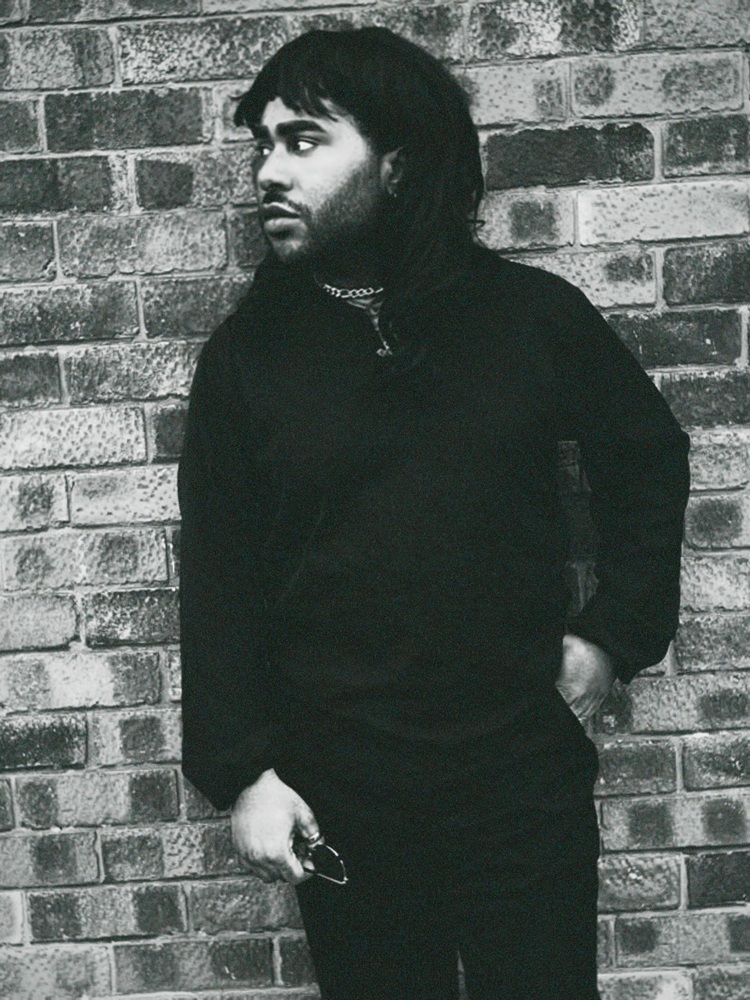
There’s a particular kind of song that doesn’t ask to be understood immediately. It asks to be felt first—to wash over you emotionally before your brain catches up with what’s actually happening. Cello’s “Stay Here” lives in that space. It’s chaotic, intimate, seductive, emotionally bruised, and strangely hypnotic all at once.
From the opening line, “I sit in my room and I play pretend,” Cello establishes the emotional isolation that drives the entire track. This isn’t polished heartbreak-pop designed for algorithmic playlists. It feels closer to an exposed nerve. Every lyric lands like a fragmented thought pulled directly from a restless mind trying desperately to hold onto connection before it disappears.
What makes “Stay Here” compelling is the tension running underneath every moment. The song constantly swings between vulnerability and bravado, desire and self-destruction. One second, Cello sounds emotionally exposed; the next, reckless and untouchable. That instability becomes the heartbeat of the track.
Lines like “I gotta fight, but my bones might break / depends on the length of the space between us” transform emotional distance into physical pain. It’s one of several moments where the writing feels startlingly honest without trying too hard to sound poetic. Cello doesn’t over-explain his emotions—he throws listeners directly into them.
The repeated refrain, “Won’t you stay here? She said, my lover, my lover,” functions almost like a hallucination. The way it circles back over and over gives the song a dreamlike quality, blurring the line between memory, fantasy, and present reality. Is this relationship happening in real time, or is he replaying something already lost? That ambiguity gives the song its emotional gravity.
Musically, the production mirrors the lyrical instability perfectly. The atmosphere feels hazy and nocturnal, like city lights bleeding through rain-covered windows at 2 a.m. There’s enough space in the instrumental for the vocals to breathe, but also enough tension simmering underneath to make every line feel urgent.
Cello’s vocal delivery is another major strength. He doesn’t sing with pristine precision, and thankfully, he doesn’t try to. The imperfections are what make the performance believable. He drifts between melodic phrasing and conversational confession in a way that feels natural rather than calculated. It’s less about technical control and more about emotional transmission.
The song also quietly reveals something deeper beneath the romantic obsession. “I got depression on lock” arrives almost casually, but it reframes everything around it. Suddenly, “Stay Here” becomes more than a song about longing—it becomes a portrait of someone using love as both escape and survival mechanism. That emotional layering gives the track surprising weight.
Even the repeated “Let me see you act up” evolves throughout the song. Initially flirtatious, it gradually begins to sound like reassurance-seeking, like he needs proof that the connection is still alive. It’s subtle shifts like this that make the song linger after it ends.
What separates “Stay Here” from so much emotionally driven alternative music is its refusal to clean itself up. It’s repetitive because obsessive thoughts are repetitive. It’s messy because emotions are messy. Cello understands that authenticity often lives inside imperfection.
In many ways, “Stay Here” feels like emotional overstimulation turned into art. It captures the intensity of modern intimacy—the fear of abandonment, the craving for closeness, the inability to quiet your own mind long enough to feel stable inside a relationship.
And somehow, through all that chaos, Cello creates something undeniably human.
“Stay Here” doesn’t offer closure. It offers immersion.
With “don’t wannabe a wannabe,” Ævina enters a new sonic phase, one that feels as emotionally exposed as it is rhythmically fluid. Moving into indie pop and tropical house, the track doesn’t just signal a stylistic shift; it reveals a deeper confrontation with identity, visibility, and the quiet pressure of existing in front of others.
Ævina’s “don’t wannabe a wannabe” pulses with an internal tension: the desire to be recognized, set against the resistance to becoming something shaped for approval. That contradiction sits at the heart of the song, giving it a weight that lingers beneath its polished, danceable surface. It’s not simply a track to move to, it’s a space where self-awareness unfolds in real time.
Produced entirely in her bedroom, the sound carries an intentional intimacy. Electronic textures shimmer and expand, built through a blend of digital tools that never feel detached from the emotion they carry. Instead, the production mirrors the song’s theme: layered, slightly fragmented, yet cohesive in its forward direction.
The artist leans into processed tones that echo multiplicity rather than concealment. Her voice feels split and refracted, reflecting the complexity of maintaining authenticity while being constantly perceived. There’s both closeness and distance in the delivery, as if she’s navigating herself even as she sings.
Ævina’s “don’t wannabe a wannabe” becomes less about escaping perception and more about enduring it; finding rhythm within the discomfort, and choosing to keep becoming anyway!
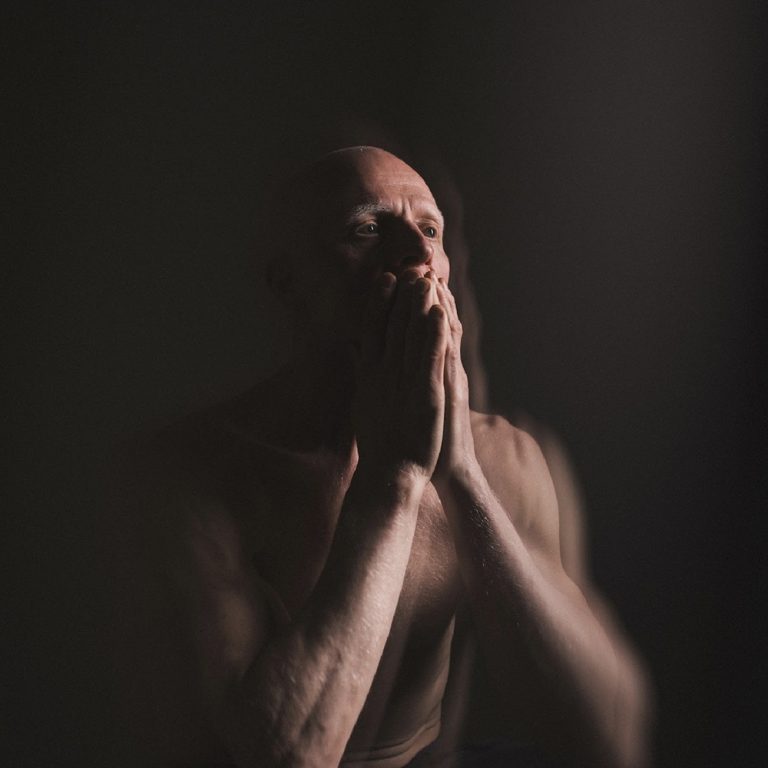
At 58 years old, independent artist 50mething (Paul Jenner) continues his bold late-career musical journey with the release of the deeply moving single “Gaza (on and on and on)”.
Written in 2024 as the conflict showed no signs of ending, the track captures the heartbreaking cyclical nature of war, the endless destruction of infrastructure, resources, and most tragically, innocent lives. With its haunting refrain “on and on and on,” the song serves as both a poignant lament and a powerful call to consciousness, highlighting the suffering of civilians and questioning the hidden agendas that allow such tragedies to persist.
Drawing inspiration from Stevie Wonder, particularly the chord progressions and lyrical depth of “Pastime Paradise,” 50mething delivers a story-based track filled with raw empathy and conviction. The song still evokes a visceral emotional response from the artist nearly three years after it was written, underscoring the depth of feeling behind the music.
Recorded primarily in his home studio in Ealing, England, with final mastering handled remotely by industry professionals Sefi Carmel and Daniela Rivera via SOUNDBETTER, “Gaza (on and on and on)” maintains an authentic, independent spirit. Now 58, 50mething began releasing music in January 2026 after a lifetime as an ex-dancer and garden builder. Following a cancer diagnosis in 2024, he decided it was finally time to share his large catalogue of unreleased tracks. His music confronts pressing social and political realities with honesty and courage.
“I refuse to keep quiet,” says 50mething. “Change seems so far away, but I choose to stand and face harsh realities head-on through my music.”
“Gaza (on and on and on)” is available now on all major streaming platforms via Ditto Music.
About 50mething
50mething is an independent solo artist from Ealing, England. At 58, he brings profound depth, clarity, and lived experience to his story-based songs. Inspired by social and political events, his music carries empathy and conviction. After overcoming a cancer diagnosis in 2024, he began releasing music in 2026 and has a substantial catalogue ready to share. His work stands apart for its willingness to confront difficult truths rather than follow the crowd.
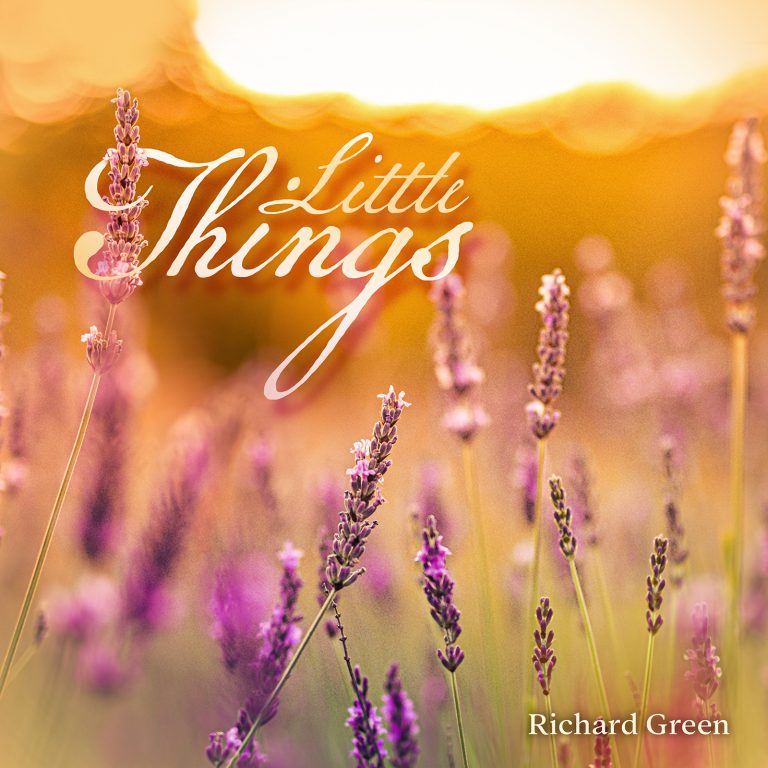
There’s a warmth that immediately settles in with Little Things by Richard Green: soft synths, distant echoes, and a sense of space that feels almost tangible, like sound you could reach out and touch. It doesn’t rush to define itself; it simply exists, slowly drawing you inward.
Built on a foundation of chillstep, deep house, and softened EDM textures, the track leans into restraint. The rhythm carries a steady, mid-tempo pulse: never intrusive, never urgent. Instead, it feels like a quiet undercurrent, something constant and grounding. There’s intention in its simplicity: subtle percussive shifts, delicate hi-hat patterns, and a groove that evolves without ever breaking its calm.
Above this, the sonic landscape opens up. Synths drift in layered waves, warm and rounded, expanding like slow exhalations. But it’s the violin that gives the track its emotional center. It doesn’t feel added, it feels lived in. Each phrase carries a human fragility, a kind of breath within the music, standing in gentle contrast to the precision of the electronic elements. That tension, between organic expression and digital clarity, is where the track quietly shines.
Without relying on lyrics, the track communicates its message through texture and movement. There’s a gentle sense of reflection embedded in the arrangement itself, moments that swell just enough to be felt, then recede, leaving space behind them. It’s in that space that the meaning lands: a quiet awareness, a subtle emotional recall, something familiar yet hard to name.
There’s a faint melodic sensibility that echoes artists like Avicii, particularly in how the motifs linger. But here, the energy is turned inward. Instead of building toward release, the track builds toward awareness.
Recorded between London and Italy, the production balances intimacy with clarity. It knows when to expand and when to hold back, allowing space to become part of the composition itself. This makes it just as fitting for solitary listening as it is for quiet, shared moments.
Little Things by Richard Green suggests that meaning isn’t always found in what’s loud, but in the moments we take time to truly feel and reflect upon..
Don’t expect comfort from “HUSH HUSH! (lucid dream edition)” by JESUS THE APOLLO. What starts as a lullaby quickly reveals itself as something else entirely: a refusal to be quiet, to be softened, to be controlled!
The opening plays with familiarity: gentle piano, the ghost of “hush little baby…” lingering just enough to pull you in. But that softness is a setup. Almost immediately, the atmosphere shifts, stretching into something darker, more deliberate. JESUS THE APOLLO doesn’t just sample a lullaby; he dismantles it, turning a symbol of comfort into a site of resistance.
As the track unfolds, layers begin to accumulate. Astral synth arpeggios flicker in the background, trap hi-hats cut through the haze, and spoken-word fragments surface like thoughts breaking through sleep. The structure resists predictability; it drifts, pauses, then re-emerges somewhere slightly altered. It feels less like a song you follow and more like a space you move through.
There’s a conceptual weight beneath it all, rooted in lucid dreaming and the idea of confronting rather than escaping. The lullaby, traditionally meant to quiet the mind, becomes something to push against. In that sense, the track reads almost like an internal dialogue, a negotiation between surrender and awareness. Even the recurring numerical motifs (5, 7, 11) feel like quiet signals embedded within the experience, hinting at alignment without fully explaining it.
The artist maintains a grounded presence that contrasts with the drifting production. His British tone anchors the track, even as the themes spiral outward, touching on escapism, planetary imagery, and the rejection of imposed limits. Then, just as the sound begins to settle, it fractures. Distorted screams, sirens, and jagged textures interrupt the flow, breaking any illusion of safety.
The influence of Alfred Hitchcock, particularly Psycho, is felt in how tension is built through sound rather than spectacle. Suspense lives in the details: the pauses, the layering, the sense that something is always slightly off.
And yet, none of it feels random. There’s control beneath the chaos. The presence of alter egos: STeVe, IrV, The Villain, and The Moon Man expands the track into something more theatrical, almost psychological, as if multiple selves are navigating the same dream from different angles.
By the time the piano returns at the end, it no longer carries the same innocence. It feels heavier, marked by everything that has passed through it. The lullaby hasn’t soothed, it’s been transformed!
“HUSH HUSH! (lucid dream edition).” by JESUS THE APOLLO lingers as an experience rather than a resolution: unsettling, immersive, and fully aware of its own undeniable tension!
There’s a contrast at the heart of “Clumsy Girl” by Kelsie Kimberlin, a brightness in sound that meets something heavier underneath. It’s a song that moves easily, but carries more than it lets on.
On the surface, the track leans fully into commercial pop clarity. The melody is immediate, the structure is clean, and the hooks arrive exactly where you expect them to. It’s the kind of song that feels effortless to listen to, almost instinctive in how it unfolds. Lines like “Clumsy girl, you’ve had a broken heart, now it’s time to find a new start” ground the track in something direct and emotionally accessible from the very beginning.
But beneath that simplicity, the lyrics trace a more unsettled emotional space. There’s a quiet tension in moments like “You know you’re so confused… you know you’re being used,” a recognition of vulnerability that interrupts the song’s polished surface. It doesn’t stay there for long, though. Instead, the track gently shifts toward reassurance, closing that emotional gap with lines like “Clumsy girl… you’re so much more.” That movement, from confusion to self-awareness, gives the song a subtle sense of progression without ever disrupting its lightness.
What deepens this contrast even further is the context behind the track. Filmed in Ukraine during a time of ongoing war, the song’s message about love, identity, and persistence takes on a different dimension. The brightness isn’t detached from reality, it exists alongside it. And that coexistence is what gives “Clumsy Girl” its quiet weight. It’s not just about overcoming challenges in theory; it’s tied to a place where those challenges are lived daily.
The production reflects a similar balance. Backed by a team with strong pop credentials, the track is polished and precise without feeling overworked. Each element sits exactly where it should, leaving space for the vocal and the message to breathe. It’s refined, but not sterile.
“Clumsy Girl” by Kelsie Kimberlin doesn’t ask to be overanalyzed, but it rewards you when you listen a little closer. It’s easy to hear, but definitely harder to overlook!
There’s a moment on the dancefloor where everything softens: the noise, the thoughts, the weight of the day. That’s exactly where DJ Cards places “Lose It in the Lights”. In DJ Cards’ “Lose It in the Lights”, the focus isn’t complexity; it’s that fleeting, luminous feeling of being fully present, suspended somewhere between movement and breath.
The track feels like crossing into that exact moment. Bright, surging synths cut through instantly: no slow build, no hesitation, just a direct pull into motion. Beneath them, a buzzing bassline grounds everything, steady and insistent, before the beat lands with a kind of certainty that feels almost physical. It’s immersive in the way good EDM should be: not something you observe, but something you step into.
Then the vocals arrive, and things slightly shift. Soft, airy, almost weightless, they hover above the intensity rather than competing with it. There’s a quiet euphoria in their tone, like someone fully inside the experience rather than performing it. That contrast between the grounded pulse below and the floating vocal above is where the track really breathes. It gives the sound space, dimension, and a subtle emotional lift.
Stylistically, “Lose It in the Lights” carries more than just its dancefloor energy. There are traces of indie-pop sensitivity woven into its melodic phrasing, adding a human edge to the production. The progression doesn’t aim for a dramatic explosion; instead, it expands into a kind of trance-like continuity. It’s less about a drop that shocks and more about a state you gradually surrender to.
DJ Cards’ “Lose It in the Lights” does exactly what it promises. It doesn’t overstay, doesn’t complicate its message. It simply creates a space: brief, bright, and weightless, and then lets you go!
Somewhere between rhythm and reflection, “Electric Griot – Remix (Club Edit)” by FDM Prince, DJ B&W, and Yazid On The Track finds its footing: balanced, steady, and intentional from the outset. It doesn’t rush to declare itself. Instead, it settles into a pulse that feels grounded, almost meditative, before gradually opening into something more kinetic.
At 122 BPM, the track moves with a quiet confidence, drawing from Afro house while stretching its edges. The percussion carries a ritualistic weight: deep, cyclical, and immersive, creating a groove that feels less like repetition and more like continuity. You’re not pushed forward by the beat; you’re held within it. That distinction shifts the listening experience from passive movement to something more aware.
FDM Prince embodies the modern griot with a presence that feels both anchored and fluid. His vocal delivery doesn’t compete with the production; it threads through it, carrying a message that lands with clarity rather than force: remember the end, stay humble, uplift others. It’s a reminder placed gently inside the rhythm, allowing meaning to coexist with motion rather than interrupt it.
Around this core, DJ B&W and Yazid On The Track construct a soundscape that moves seamlessly between ancestral texture and contemporary energy. There’s a careful balance at play: heritage is not aestheticized, but integrated. The result feels cohesive, as if past and present are not in contrast but in conversation. Within that, Yazid’s emergence as a credited artist adds another layer to the track’s narrative, a sense of stepping forward that mirrors the track’s own evolution.
“Electric Griot – Remix (Club Edit)” by FDM Prince, DJ B&W, and Yazid On The Track is measured, reflective, and quietly resonant. It’s a track that moves the body, yes, but more importantly, it surely leaves a lasting impact..
Prague, January 6, 2026 – George Collins Band returns with “My Island Life,” an uplifting, reggae inflected single that captures the carefree spirit of tropical living and the universal desire to slow down and savour the moment. The song blends playful rhythms, warm melodies and vivid imagery into a feel good anthem designed to transport listeners straight to the shoreline.
Unlike many of Collins’ more personal and autobiographical works, “My Island Life” was born from a unique collaborative experience. The song originated during a songwriting retreat in Spain hosted by The Songwriting Academy of the UK, where Collins worked alongside international songwriters Kathleen Schoebel (Germany) and Boni Awan (UK), under the mentorship of legendary Nashville songwriter and vocalist Sharon Vaughn.
Tasked with writing a song about travel and favourite places – and given just hours to complete it – the trio drew inspiration from Collins’s long-standing connection to Key West, as well as their shared experiences of island life around the world. The result is a track that feels both personal and universal, filled with sunlit imagery of mango trees, ocean breezes and starlit waves.
Driven by a relaxed groove and infectious chorus, “My Island Life” leans into simplicity and joy. Its easygoing refrain – “I love my island life” – captures the essence of the song: a celebration of freedom, presence and the small pleasures that make life meaningful.
“This song was truly a collaborative effort,” says Collins. “What started as a songwriting exercise quickly turned into something special. We all brought our own memories and experiences into it, and that shared energy is what gives the song its warmth and spirit.”
With its catchy hooks, rhythmic pulse and laid back charm, “My Island Life” is a reminder that paradise isn’t just a place. It’s a feeling we carry with us.
The single is available now on all major streaming platforms.
George Collins is a Prague-based singer/songwriter whose music speaks to the second act of life with wit, depth, and infectious hooks. After decades in a high-powered international finance career, Collins returned to his first love — music. What began as an impromptu Fourth of July performance reignited a fire that has since produced a critically acclaimed debut EP (It’s Been a Long Time), the fan-favorite Songs for Grown-ups, and now a full-length follow-up, New Ways of Getting Old, released track by track over the next two years.
Collins blends classic rock, soul, and pop into what he calls “Timeless Americana Rock.” His songs explore aging, love, reinvention, and the messy humor of life. A former bandmate of future Dave Matthews Band members Carter Beauford and the late LeRoi Moore, Collins now headlines venues across Prague and connects with an ever-growing global fanbase.
With more than one million Spotify streams and over three million YouTube views, Collins proves it’s never too late to return to what moves you.
For more information, visit www.georgecollinsmusic.com