

Home Blog Page 47

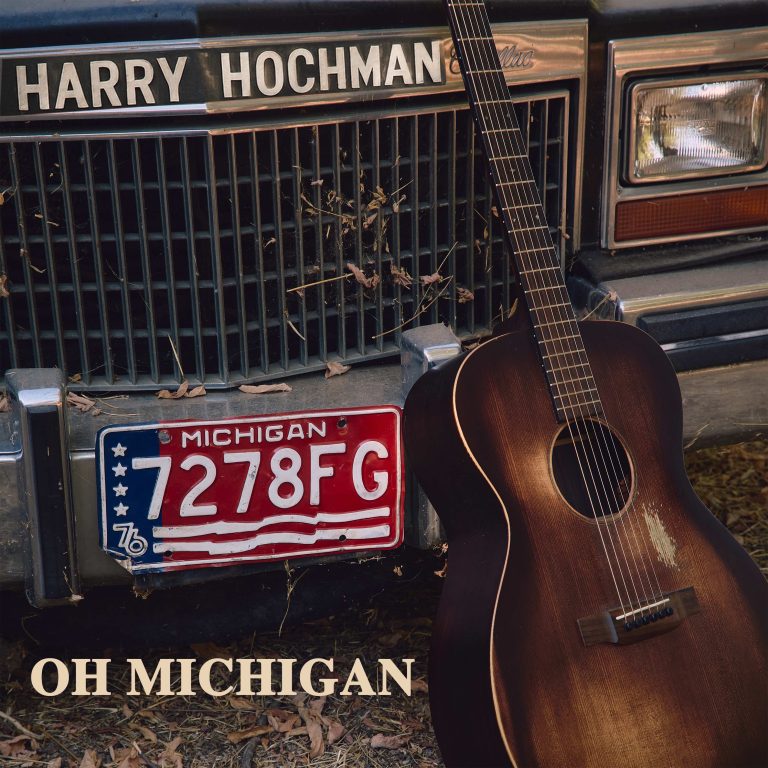
EP: Oh Michigan! by Harry Hochman

0

There’s a certain charm that comes with artists who write not just from where they are, but from where they’ve been ,  who let memory, longing, and a touch of humor shape their sound. Harry Hochman’s “Oh Michigan!” is that kind of record. Two years after his acclaimed Inside Out, Hochman returns with a collection of songs that bridge past and present, nostalgia and newfound freedom, home and the road. Recorded at the Sonic Boom Room in Venice, California, with an all-star cast of session players and longtime collaborators, this EP captures the warmth of lived experience and the unshakable pull of the places that made us who we are.

The title track serves as both anchor and compass, setting the tone for an EP that feels deeply personal yet effortlessly universal. There’s something cinematic about the way Hochman writes; the scenes feel real, as if you can see the Michigan sky he’s singing about or hear the hum of the Harley from “DynaGlide” before the first note even lands. From the soft ache of When She Blows to the quiet joy of “Claire de Lune”, every song feels like a postcard from a life well-traveled, stamped with the grit and grace of someone who’s seen a lot and still finds beauty in it all. Let’s take a moment to take in each of these “postcards”.

The title track doesn’t shy away from nostalgia as its first line is “I’m going back in time” and the tasteful arrangement of guitar layers is delightfully wholesome. It’s really just to put these sounds together to kind of fake this nostalgic vibe, but pulling it off genuinely is always obvious when it’s real. The intentions and the emotions the musicians called upon to pull off such a performance are apparent.

“When She Blows” is an instant classic of a ballad. Featuring “The Accidentals” on strings. It feels like they are playing directly on my heartstrings, not their instruments, with their delicate and nuanced performance. There’s a reason this track has the most listens on Spotify of the whole EP. It’s just a timeless country ballad executed flawlessly.

“Take Me As I Am” is a song about embracing our identity and accepting our loved ones for who they are, as well as ourselves for who we are. We are all flawed human beings. Are you willing to accept the flaws of your loved ones? Harry Hochman asks, “Now I am what I’ve become, not what I was. Will you send me on my way or will you take me as I am?” A question that brings up themes of selfless love. Harry’s voice really shines in this dramatic narrative, more so than the other songs here, in my opinion.

“DynaGlide”  tells a true story of Hochman riding his newest Harley motorcycle, the “DynaGlide” through an autumn storm in the Utah desert. ”What struck me was that even the very worst day on a motorcycle is better than the very best day at the office,” says Hochman. It’s a classic country story. Expressing the need to be out on the road in command of your own destiny instead of being stuck in an office.

“Claire de Lune” explores the beauty of chance encounters. Specifically, the story of two strangers meeting at a rave in Berlin and somehow building a beautiful family together. You would not expect to meet your soulmate at such a place, and yet it does happen. As the story is told, we are being invited to be more open to more experiences because just like life can be unexpectedly dreadful, it can also be surprisingly wonderful.

“Maybe This Time” is a surprisingly energetic ending to this EP. It’s actually the shortest track on the EP, but size doesn’t matter here as it instantly grabs your attention with a synchronized pattern shared between the snare and guitars that is just addictive to listen to. Thematically, this song feels like it’s continuing the thread from the previous song. Just give yourself a chance, maybe this time it will work out. That’s basically the message here. It’s a positive message and works really well as a wholesome closer to this EP.

By the time “Oh Michigan!” ends, you realize this isn’t just an ode to a place. It’s a meditation on time, change, and the small things that make all of it worth it. Harry Hochman has managed to create something rare: music that feels lived-in, like an old jacket that somehow fits better every year you wear it. In a world obsessed with the next new thing, Oh, Michigan! stands tall as a reminder that sometimes, looking back is the best way to keep moving forward.
Bucket of Bolts by Shouse

0

SHAPED BY VOLTAGE!

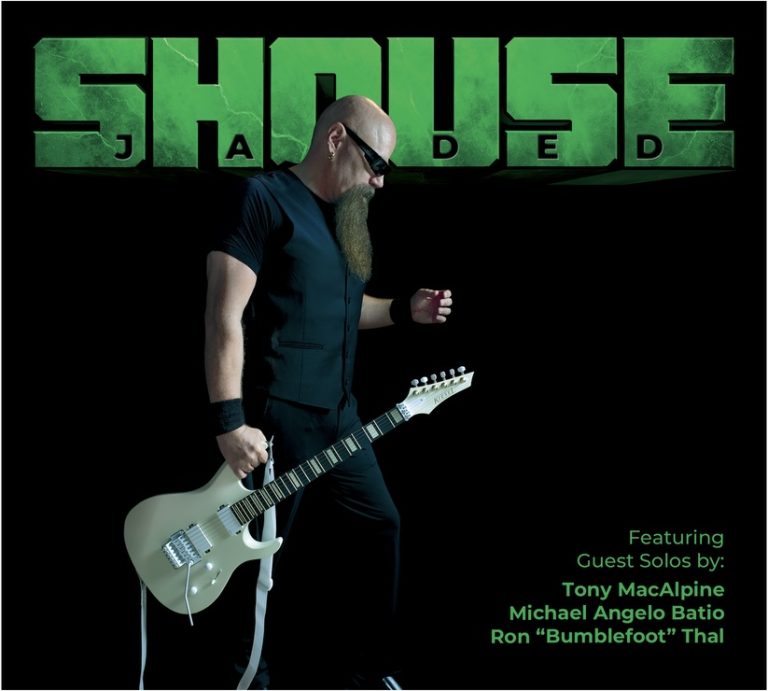
There’s a sudden spark when “Bucket of Bolts” opens: a quick panning flicker that feels like static coming to life. Then the current hits. What unfolds isn’t merely an instrumental rock track but a full-blown ignition, the kind that hums with built-up energy finally set free. After fifteen years of silence, Mike Shouse doesn’t return cautiously; he roars back with precision, purpose, and a tone that feels wired straight to the pulse.

His guitar work is clean yet unpredictable, carved with intent and a touch of rebellion. Each phrase lands with clarity, the kind that comes from someone who’s not just mastered his craft but lived inside it. There’s a narrative charge behind his playing: melodies that rise and twist, riffs that cut through like light through smoke. Shouse doesn’t just display technique; he speaks through it, turning every run into something felt as much as heard.

The rhythm section fires like an engine running hot. Charlie Zeleny’s drumming moves with both discipline and bite, keeping the pulse tight while leaving room for breath. James Amelio Pulli’s bass underlines the track with weight and warmth, a low voltage hum that binds the chaos together. Billy Decker’s mix makes sure every sound finds its air: bright, balanced, and alive, without losing its grit.

“Bucket of Bolts” doesn’t only stand out for its speed or precision; it’s the conviction behind it. There’s electricity in every measure, but also something deeply human in the way it unfolds, as if rediscovery itself became melody. This is a track that doesn’t just showcase skill; it celebrates endurance, renewal, and the beauty of being shaped, once again, by voltage!

Danse Macabre by Transgalactica

0

𝐒𝐄𝐍𝐓𝐄𝐍𝐂𝐄𝐃 𝐓𝐎 𝐑𝐄𝐀𝐒𝐎𝐍!

Transgalactica’s Danse Macabre inhabits that rare space where philosophy, classical form, and electronic imagination intersect. What begins as an echo of Saint-Saëns’ macabre waltz quickly transforms into an exploration of perception itself; a composition that treats sound as argument, rhythm as reasoning. The band reconfigures the familiar dance of Death into something colder, more cerebral, yet equally hypnotic: a waltz that thinks while it turns.

Synthetic textures replace strings and percussion, creating a sonic architecture both spectral and systematic. The steady triple meter remains like a heartbeat of tradition, yet everything built atop it belongs to a different order of logic: shimmering oscillations, subterranean pulses, and mechanical breaths that blur the boundary between structure and uncertainty. Then, in a gesture of almost metaphysical wit, a bridge from Bach’s Christmas Oratorio cuts through the gloom: a sudden illumination, a rational interval within the storm.

The philosophical thread running through the track is unmistakable. Drawing inspiration from Steven Pinker’s reflections on reason and cognitive error, the lyrics dissect the human tendency toward pessimism and irrationality. “Science is what we need / Data should be our feed,” they declare, turning Enlightenment principles into a chant. Yet the tone remains ambiguous, a rational creed delivered in the ghostly echo of a dance with Death. Logic here doesn’t conquer emotion; it coexists with it in an uneasy waltz, inviting listeners to question whether reason itself might be another kind of enchantment.

By stripping away the organic warmth of instruments, Transgalactica constructs a purely conceptual soundscape, music as inquiry rather than expression. The result is an eerie fusion of classical intellect and synthetic modernity, a track that sounds less like a performance and more like a philosophical experiment set to rhythm.

In Danse Macabre, Transgalactica doesn’t simply reinterpret a classic; they reframe it as a meditation on perception, progress, and the paradox of enlightenment. To be sentenced to reason here is not punishment; it’s the only way to survive the dance.

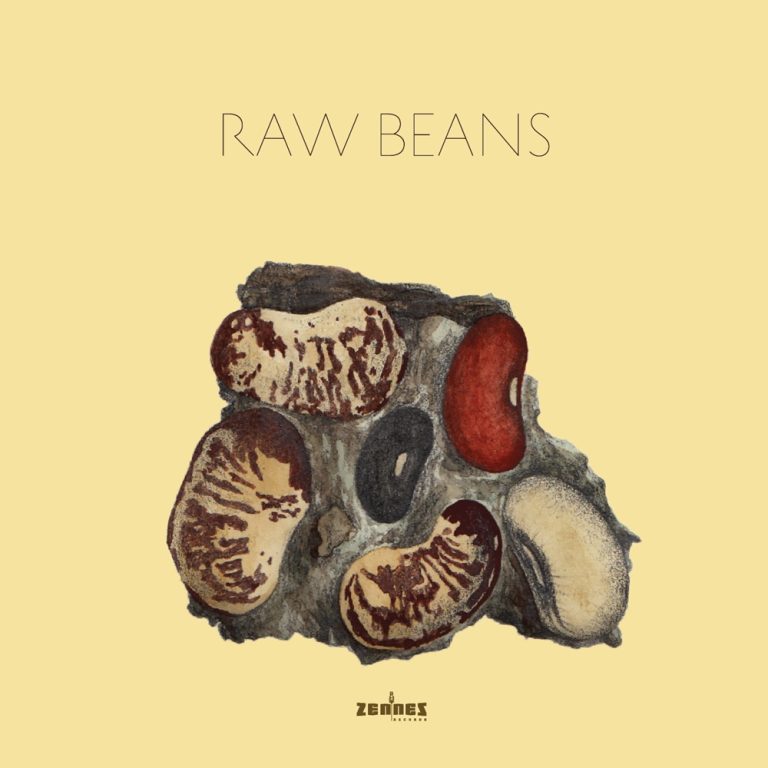
Raw Beans by Ruud Voesten

0

BETWEEN THIRST AND GRACE

Ruud Voesten’s “Raw Beans” feels like standing at the edge of something sacred: close enough to sense its warmth, but never quite able to touch it. The second single from his forthcoming album Ambrosia II, it continues his musical dialogue with Dante’s Divine Comedy, shifting now from the infernal depths of Inferno to the quiet discipline of Purgatorio. Here, Voesten turns his gaze to the terrace of Gluttony, where souls suffer not through chaos, but through denial: surrounded by abundance, forever longing.

That tension, between yearning and restraint,  becomes the very essence of “Raw Beans.” Written as a duet for clarinet and piano, the piece breathes with a kind of meditative precision. The clarinet moves slowly, like a fragile voice tracing the shape of an unspoken confession, while the piano responds in spare, crystalline gestures. Each chord feels carefully measured, each silence alive with intention. Without percussion, the piece unfolds in its own suspended time; rhythm becomes breath, and space becomes the most expressive instrument of all.

Voesten’s background as a drummer and conceptual composer gives him a rare sensitivity to pacing, how to let emotion stretch without breaking. His writing here is profoundly restrained yet deeply emotional, finding beauty in what is withheld. The sound itself is intimate and cinematic; you can almost feel the air between the instruments vibrating, as if every note were balancing between suffering and serenity.

“Raw Beans” is not about punishment, but transformation, a portrait of desire refined into awareness. As the final tones dissolve into silence, you’re left with the lingering echo of something unresolved but luminous. Voesten skillfully captures what it means to hunger for the divine, and to find meaning in the waiting, it’s the process of becoming.. 

Whispers on the Mountain: Baldy Crawlers’ ‘Bring Me a Flower’ Finds Light in the Shadows

0

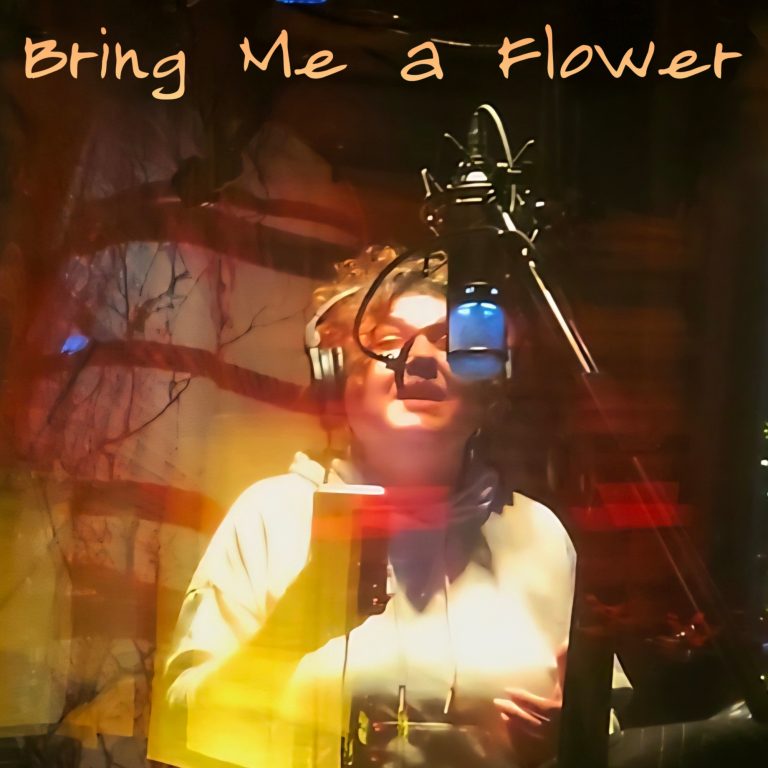
There’s a moment in Baldy Crawlers“Bring Me a Flower” when time seems to stop—when the accordion sighs, the harmonies hover like mist, and the listener feels something both ancient and achingly current stir inside. It’s not just a song. It’s a séance of empathy. The kind of art that doesn’t demand attention, but quietly earns it, note by handcrafted note.

Martin Maudal, the luthier-philosopher at the heart of Baldy Crawlers, builds more than instruments—he builds bridges between sound and soul. Every chord in “Bring Me a Flower” carries the fingerprint of the man who carved its body from wood and wire. This is music as craftsmanship in the purest sense, and yet it never feels self-conscious. It feels lived in—human, humble, and illuminated by spirit.

The origin story could have come from some half-lit corner of a Kerouac novel. Baldy Crawlers began as a way for Maudal to demonstrate his custom guitars. But something happened when he hit record. The songs started to speak, and Maudal listened. “Because it began as a marketing tool,” he says, “we didn’t limit ourselves to any genre.” That freedom gave birth to a sound that transcends category—a fusion of folk, Americana, and something cinematic that lingers like smoke over desert highways.

The new single, “Bring Me a Flower,” finds its roots in California mythology—the vigilantes oscuros, or “dark watchers,” ghostly figures said to stand sentinel over the Santa Lucia Mountains. Maudal takes this folklore and, with a poet’s intuition, ties it to the immigrant experience. The song tells of those who seek hope across borders only to meet fear and inhumanity. But it doesn’t linger on despair. Instead, it reaches for endurance and grace.

“Sure, there was anger as I wrote it,” Maudal admits, “but the song turned out to be better than what I felt. It turned out to be about more than anger—about hope.”

That sentiment hums through every measure. Norrell Thompson’s lead vocal is breathtakingly restrained, her tone both vulnerable and resolute. Elizabeth Hangan’s harmonies rise like dawn light behind her, while Ross Schodek’s bass and Carl Byron’s accordion create an earthy pulse beneath the melody. The atmosphere is cinematic but never heavy-handed—each element balanced like brushstrokes in a painting that reveals more each time you step back.

The lyrics read like a psalm for the forgotten: “Bring me a flower, thou dark mountain watcher / I’ll bring you myself and I’ll grant you a boon.” In that exchange—between giver and receiver, hope and heartbreak—Maudal captures the eternal human transaction: the wish to be seen, the yearning for mercy.

Maudal’s background as a Berklee-trained musician and his time spent straddling the jazz and punk worlds bleed subtly into the arrangement. There’s precision and rebellion coiled together—a sonic tension that gives the song its quiet power.

Like his guitars, the song feels handmade. You can almost hear the wood breathe. And behind it all, there’s Maudal’s philosophy—a belief that music, at its best, is an act of empathy.

“Bring Me a Flower” isn’t a protest—it’s a prayer. It doesn’t demand revolution. It reminds us why we care in the first place. In a time when the world feels divided and numbed, Baldy Crawlers invite us to stand still, listen, and maybe, just maybe, bring a flower too.

–Lonnie Nabors


Formula by Nii Borlabi Tessa

0

UNDER THE SPELL OF MOTION!

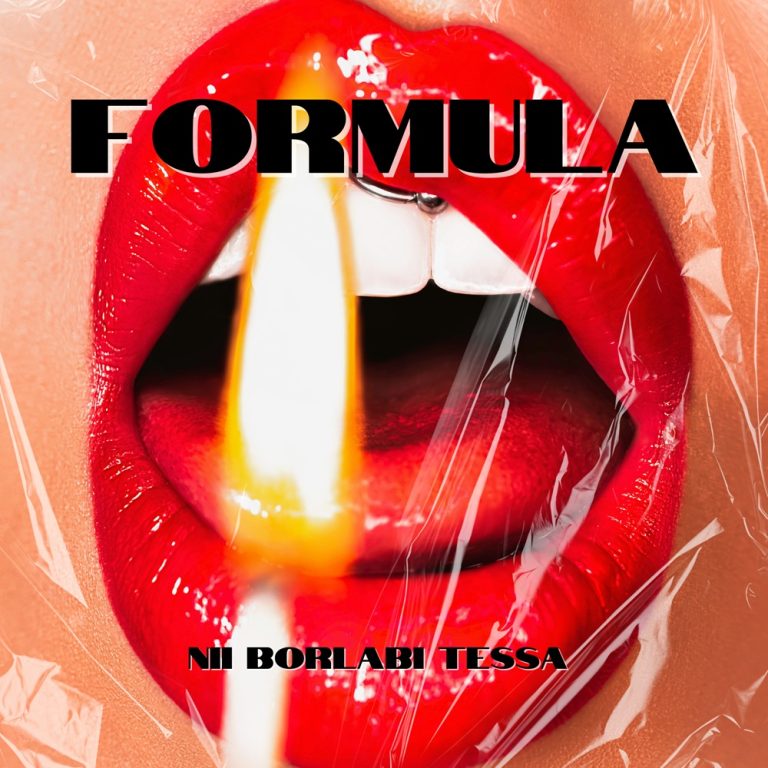
Formula unfolds like a hypnotic current, a pulse that draws you in before you even realize you’re moving. Haitian-born, Phoenix-based artist Nii Borlabi Tessa delivers more than just an Afro-fusion anthem here; he crafts a sonic experience where rhythm becomes language, and motion turns into meaning.

From the first beat, the track feels kinetic: percussion flickering like sparks over deep, grounded basslines. Each rhythm folds into the next with liquid ease, while glossy synth textures float above, giving the sound both density and lift. The result is a groove that’s precise yet effortlessly human, engineered for dance floors, but alive with soul!

Tessa’s vocals ride that energy with smooth conviction. His tone radiates warmth and assurance, blending melodic ease with rhythmic agility. There’s an unspoken dialogue between his voice and the percussion: a give-and-take that keeps the song in constant motion, never static, never predictable.

Beneath the surface, Formula pulses with quiet confidence, a reflection of Tessa’s own story: faith-driven, self-made, and cross-cultural. The track feels celebratory, not in excess, but in gratitude; it’s joy born of resilience, ambition shaped into melody. You can hear it in every transition: in how the beat breathes, how the harmony rises and falls with intention.

The song’s atmosphere transcends geography. It could echo through Miami’s night air, Lagos’s crowded clubs, or a Phoenix rooftop at dusk; wherever it lands, it speaks the same language of rhythm and release. Tessa doesn’t just mix genres; he merges worlds, translating heritage into motion with global fluency.

Under the spell of Formula, time stretches and syncopates; everything becomes pulse, flow, and faith. It’s not just a summer song; it’s a moving meditation on how music carries us forward, one beat at a time!

Album: The Bloom Project by Adai Song

0

THE FUTURE HUMS IN OLD MELODIES!

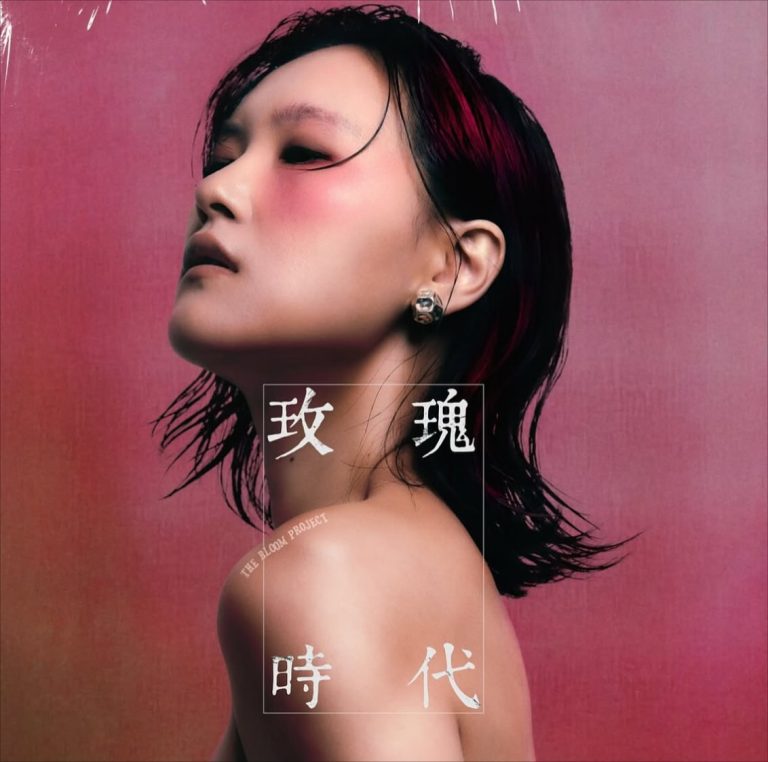
Adai Song’s The Bloom Project is not just a reinvention of sound, it’s an act of cultural alchemy. The album pulses with a rare kind of confidence: the knowledge that the past and future can coexist in a single breath. Drawing from the golden age of shidaiqu, Shanghai’s early 20th-century fusion of Chinese folk and Western jazz, Adai reimagines these old melodies through an electronic, feminist, and deeply modern lens. The result is an eight-track mosaic where history vibrates against sub-bass, and identity blooms in stereo.

It opens with “A Lost Singer,” a reclamation of a 1937 ballad once drenched in longing. Here, Adai replaces the passive ache of the original with quiet determination. Piano and erhu weave through a steady pulse, and her voice hovers, delicate but unyielding. The woman who once wandered in search of belonging now builds her own world.

Then “Night Shanghai” flickers alive, the city rendered as a heartbeat and hologram. Deep-house beats and guzheng flourishes illuminate its soundscape, while Adai captures the loneliness of neon nights with cinematic subtlety. There’s beauty in the melancholy here, but also motion, the sense that even isolation can dance.

“Make Way” transforms the once-genteel “Rose, Rose, I Love You” into a bold proclamation. The rose no longer waits to be admired; she declares her autonomy, thorn and all. With pipa, koto, shamisen, and shimmering synths, Adai crafts a transcontinental dialogue in sound. Every element feels essential, as if the instruments themselves are conversing across time.

“I, I Want” teases desire into dialogue: playful, rhythmic, and unapologetic. The trap beats and Chinese timbres mirror two voices circling one another, blurring the line between flirtation and self-assertion.

“Carmen 2025” reinvents Bizet’s rebel through electronic ritual. Guzheng arpeggios and temple percussion fracture into an EDM drop that feels like both opera and uprising. It’s defiant, timeless, and strikingly alive.

Then, quietly but unmistakably, comes “Wuxi Tune.” Inspired by the southern storytelling tradition Wuxi Jing, the song begins with an invocation: Let me sing to you all. What follows is a spell of resilience, not romance. Adai builds the track around UK Garage rhythms, letting jazz inflections and guzheng phrases weave through saxophone improvisations. It’s where old art meets new intent, where folk storytelling finds itself reborn in electronic cadence. “Wuxi Tune” may be the album’s hidden thesis: walking your own road while singing the songs that made you.

“Wild Thorny Molihua” reclaims the jasmine flower’s fragile reputation, turning gentleness into rebellion. The shakuhachi sighs like wind through memory, while Adai’s voice blooms sharp and fearless: They call me soft and pure, but never looked closely. By the end, softness becomes its own kind of steel.

The album closes with “River Run,” a graceful unraveling. Guzheng and airy synths dissolve into one another, carrying the listener forward in quiet surrender. It feels like the moment tradition lets go, flowing not away, but through.

What The Bloom Project achieves is nothing short of luminous. Adai doesn’t simply blend East and West; she stages a meeting where both evolve. Her production, refined yet full of breath, turns nostalgia into propulsion. Each track hums with its own life force, yet all share one truth: that the future isn’t a break from history, it’s its continuation in a new rhythm.

In Adai Song’s world, memory dances, language glows, and the future hums in old melodies!

HOLA by Kmalectro

0

FRAGILE IN MOTION

If emotion could hum through a wire, “HOLA” would be that fragile current: steady yet trembling, human yet electrified. In his latest release, Cologne-based artist Kmalectro shapes vulnerability into rhythm, crafting an electronic pulse that moves with the softness of reflection rather than the urgency of escape.

The track opens like a hesitant greeting, a simple “hola” stretched across space, half-whisper, half-invitation. A slow reggaeton undercurrent ripples beneath shimmering synths, and somewhere in that tension between movement and melancholy lies its quiet magic. It’s a song that doesn’t demand the dance floor; it suggests it gently, as if saying: you can move through what hurts you.

Every sound feels considered yet alive. The analog warmth of the synths presses against the clarity of digital edges, creating a texture that feels both intimate and cinematic. kmalectro’s voice drifts between speech and confession: understated, almost fragile, but carrying a strange assurance. When he murmurs “say just goodbye or say just hola,” the line lands like a soft collision.

What gives “HOLA” its depth isn’t grandeur but balance. It’s electronic music that remembers its heartbeat, where precision coexists with emotion, and motion becomes a quiet form of healing. The accompanying video mirrors that equilibrium, unfolding as both liberation and meditation. Scenes of people dancing rise like waves of release, yet there’s a reflective stillness beneath the rhythm, a sense of inward listening even while in motion. The words “Future who are you?” appear on screen, a haunting, poetic question that lingers like an echo. It feels less like a search for what’s ahead and more like a dialogue with the unknown, a moment where time, sound, and movement converge into something beautifully human.

“HOLA” feels like a mirror made of sound, reflecting every small attempt to reconnect with oneself after disconnection. Kmalectro opens a small, luminous space where feeling and frequency intertwine; and within that space, fragility becomes its own kind of strength..

Raising a Glass to the Real Ones: Robert Ross Salutes Everyday Heroes with “People Like Me”

0

Country singer-songwriter Robert Ross has never been one to chase trends or polish away the grit. With his new single “People Like Me,” the former service member delivers a heartfelt salute to the working class, first responders, and fellow veterans who keep the world turning—often without fanfare. Mixing barroom camaraderie with blue-collar truth, Ross transforms gratitude into a singalong anthem that’s equal parts celebration and tribute. In this candid conversation, he opens up about the song’s origins, the challenge of staying independent in a big-label world, and why he’ll always raise his glass to the real ones.

  • Robert, your new single “People Like Me” is a real anthem for everyday heroes. What was the moment—or the person—that first inspired this song?

As an Ex Service member I wanted to tip my hat to my fellow brothers and sisters past and present. I didn’t want it to be dark and morbid but still wanted to get the message home that they are all truly respected and their service is very much appreciated. So with that in mind I turned it into a drinking song but made sure that there was a very strong point to acknowledge the ones that put it all on the line.

  • The lyrics walk a fine line between celebration and tribute, especially with that powerful line about raising a glass to soldiers and First responders. What does that line mean to you personally?

As an Ex Service member myself it means a lot. It can never go unnoticed what they do to keep us all safe everyday.

  • There’s such raw honesty in the way you sing about hard work, resilience, and staying true to who you are. Have those values always been at the heart of your music?

Yes it has. I generally write about life. All the good and the bad.

  • “People Like Me” feels like it was written for people who don’t often get songs written about them. How important is it to you to be that voice—for the working class, for the unsung, for the real folks?

Yes it definitely is written for them. Country music was always for the working class and it seems to have slipped away from that in recent years. So I wanted to make sure they knew that there are still people out there that care.

  • Your previous single “Better With Time” did so well on the charts. How did that momentum shape your approach going into this next release?

Yes I was very blessed to have that song do so well for me. It was another song that really resonated with people. I just wanted to follow up on that song with another great message song.

  • When fans come up to you after shows—or send you messages—what kind of stories are they sharing about how your music, especially this song, connects to their lives?

People are very appreciative of the message in the song and sticking to the roots of country music and staying true to the genre with music for the people who keep this country turning.

  • You’re an independent artist, doing this on your terms. What have been some of the biggest challenges—and the biggest rewards—on your journey so far?

One of the biggest challenges is getting the music to radio as An independent artist you have to go head to head with big industry and their pockets are a lot deeper. The biggest reward is that I get to do it the way I want and don’t have to follow what is perceived to be the in-thing of the day. I can just keep putting out great COUNTRY music.

  • Looking ahead, what do you hope listeners take away from “People Like Me”? What’s the message you want ringing in their ears long after the music fades?

Don’t forget to respect and thank the ones that keep this great country turning. Not just now but every day, every chance/opportunity you get.


Pyromane by Benjamin Quartz

0

“Pyromane” is the latest single by the Marseille-based artist Benjamin Quartz, and he is back with something incredibly special this time. “Pyromane” is an intimate song, much like sitting near a fire is. Its delicacy is delectable. It has a balance of sweetness and burning passion like a newly sparked fire of love. It has that unmistakable signature French romance in the vocals, but the instrumental has a lot of bossa nova and gypsy qualities, which is a match made in heaven, in my opinion.

The production is restrained, opening with delicate strings that contrast with the title “Pyromane” (Pyromaniac). Guitar and violin join upright bass and Brazilian percussion, energizing the track while keeping its poetic sensitivity. Hand claps and castanets in the end evoke Benjamin‘s image: a passionate dancer circling a new blaze.

Lyrically, Benjamin Quartz explores love’s dangerous obsessions through vivid fire metaphors. He sings of escaping disaster in the nick of time with his “Pyromane”. But the imagery gets darker still, as he describes being intoxicated by the carbon monoxide she breathes, he makes allusions to Shakespearean tragedies. In the bridge section, he describes her as an otherworldly being: half fire, half woman. She burns everything to forget.

“Pyromane” by Benjamin Quartz is an addictive poem of a song.  It pays homage to the nuances of human emotions, especially the most complex one of all: Love, and those who wield it, the Pyromaniacs.