

Home Blog Page 49

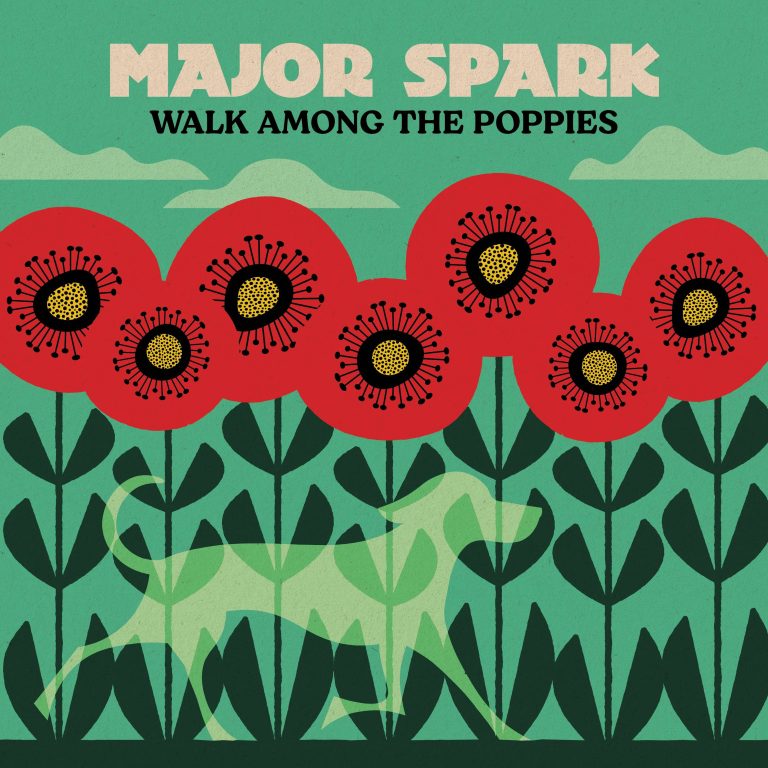
Album: Walk Among The Poppies by Major Spark

0

There’s something undeniably refreshing about an album that chooses optimism without naivety, that acknowledges life’s struggles while extending a hand to pull you through them. Major Spark‘s “Walk Among The Poppies” is that kind of record, a collection of rock songs built by two veteran musicians who understand that sometimes the most radical act is simply lifting up your friends. Mark Goodman, whose indie credentials stretch back to collaborating with Velvet Underground’s Moe Tucker and Camper Van Beethoven’s David Lowery, has joined forces with producer/engineer Brian Charles to create something that feels both timeless and urgently needed in our current moment.

“Walk Among The Poppies” is refreshingly anti-cynicism in a world where depressing rock dominates so much of the modern landscape. Instead, it bursts with infectious guitar hooks, driving rhythms, and lyrics that address those dark moments and offer genuine solidarity. From the harmonica opener to the harmonically rich duets with Miranda Serra, this album maintains an unwavering thread of hope and positive energy without ever sacrificing its rock and roll teeth. This is music that believes in the importance of truth-telling, and the simple act of reminding someone they’re good enough exactly as they are. Let’s walk through each of these ten tracks and discover how Major Spark turns uplift into art.

Opening with a danceable, infectious groove, “The Other Side” immediately establishes the album’s mission statement through its harmonica-driven melodic motif. Its catchy chorus invites you to pull your friends to the other side to a different, more positive perspective with openness and love instead of anger. Moe Tucker’s drumming here brings that unmistakable Velvet Underground looseness, a fitting tribute given Goodman’s history with the legendary band. Marissa Nadler provides backing vocals, adding depth to this bold opening statement that wears its heart on its sleeve from the first measure.

“Be My Key” is a supremely wholesome duet between two friends going through life and supporting each other. It features vocals from Mark Goodman and Miranda Serra and a melodic, fuzzy guitar solo alongside some really catchy guitar hooks. Jamie Rowe’s drumming provides the steady heartbeat that grounds this tender exchange, while the interplay between the two vocalists feels genuinely conversational rather than performative.

The album’s most heartfelt moment arrives with “I’ll Make it Up to You,” a promise to do better and start over. The bell-like lead guitar tone here is remarkable, and alongside the incredibly tight drum performance by Dave Brush, they are the reason this heartfelt apology song works as well as it does. What could easily become maudlin instead feels earnest and genuine, a testament to Goodman’s ability to communicate difficult emotions without drowning in them.

With Miranda Serra returning on backing vocals, “Strawberry Road” stands as the most pop-influenced song of the album. But not the modern era of pop. It’s spiritually like a Beatles song more than anything, with similar harmony and catchy hooks. Lyrically, the band invites you to forget what you know and “throw your mind to the unknown.” It’s an invitation to be open. I like to think of this as a play on the yellow brick road: journeying towards enlightenment by checking your ego at the door.​

Country bluesy perfection arrives in the form of “Take it Too Far,” featuring a standout piano performance by Tom West that adds sophisticated texture to the track’s rootsy foundation. Brian Charles takes over drum duties here, and his dual role as both producer and performer shines through in the song’s careful arrangement. The piano work dances between honky-tonk and something more refined, never quite settling into either camp.

At the album’s title track, “Poppies” reassures a friend that they are good enough to hang with the rich and popular, delivering this message through a riff on an Australian expression, “cut down the tall poppies.” That saying addresses the importance of taking down the cocky people who believe they are a step above others. It’s a song that understands the insidious nature of imposter syndrome while refusing to let it win, turning a phrase about tearing people down into an anthem about building them up.

The swing in the rhythm section drives “Mountains” forward with addictive, bouncy energy that is, most importantly, mountains of fun. Lyrically, it appears simple. “A rock is a rock and a tree is a tree; it’s just a place to be” is an example of a lyric with a lot of hidden wisdom. Sometimes we can take life too seriously. Sometimes we get lost in what things are underneath the surface and the socially constructed layers of meaning we give them, but at the end of the day, this is just a place to be. 

In “Back in Time” the band reminisces about a simpler time and indulges in a bit of nostalgia. With an arrangement like this that’s almost cheesy, you can’t really help but smile and sing along. The guitar tone here is fuzzy but drowned out in the background; it almost sounds like a fanfare. The wistful quality never tips into melancholy, maintaining that thread of warmth that runs through the entire record.

Friends lifting up friends takes center stage in “Perfect Star” as one character considers trying the latest medical tricks to reverse the aging process. It’s a song that could have been preachy but instead feels like genuine concern from someone who cares, adding perspective to the conversation about embracing who we are versus chasing impossible standards.

The album concludes with “Birds Aren’t Real,” and the titular phrase is a popular term that refers to an anti-establishment ideology and questioning the narrative of those in power. But there’s also a borderline paranoid and absurd aspect to it where you don’t even know what’s real anymore, and I think that’s conveyed brilliantly in the music itself, specifically the syncopated drum groove delivered by Matthew Zajac. “Your dog is a data miner” is a lyric that could be straight out of a Frank Zappa song, and that’s the highest praise one could give. It’s a delightfully weird way to end an album that’s been so earnest.

“Walk Among The Poppies” ultimately succeeds because it never mistakes simplicity for simple-mindedness. Major Spark showcases mature songwriting that understands that sometimes the hardest thing to do is stay positive without being naive. In a landscape saturated with irony and detachment, that might be the most punk rock stance of all.
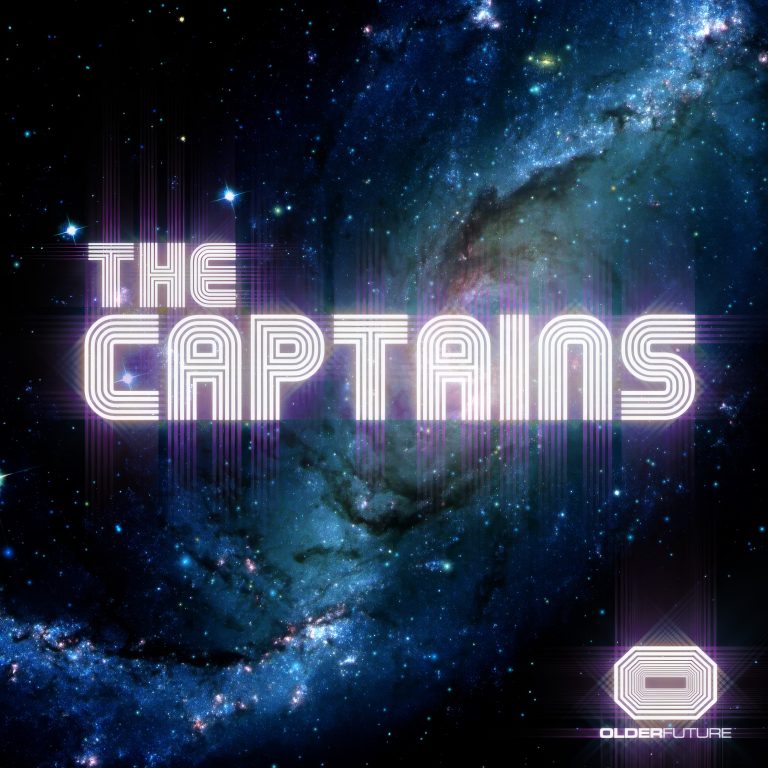

Alon Yaish’s Older Future Unleashes “The Captains”: A Synth-Driven Odyssey Through Trauma, Triumph, and Self-Discovery

0

Electronic music artist and prodigy Alon Yaish expresses raw truths and sonic immersion through his powerful project, Older Future. His new release “The captains” showers all shades of color, emotion and expression as a typhoon. Synth-heavy, beat heavy, and theme heavy, this collection is wholly unique in our current musical climate. It is psychologically introspective, reflective and deep, while still remaining rousing and ample fun. Older Future steps outside of the box to relentlessly pursue something that is on all of our minds. Self-consciousness, personal power, judgement, trauma and perseverance.

Born of a musical family which lit his initial spark of inspiration, Alon has become a practical philosopher of sorts, using wide-eyed electronica as his weapon of choice to inspire and elate. His last single “shame” reached over 500,000 streams on Spotify, and this new release is certain to uplift and console many hearts and minds as well.


“This album is a reflection of ongoing conversations I’ve had, and still have with myself. It explores a range of personal themes: past trauma, aggression, depression, growing up, aging, bullying, admiration, and more. Each track carries its own meaning, balancing between abstract emotion and concrete experience.

The album is built around electronic sounds and moods. It’s like a journey through my thoughts, moving between dream and reality, clear moments and confusion.”


Shweta Harve: Turning Healing into Harmony — A Journey from Grief to Global Recognition

0

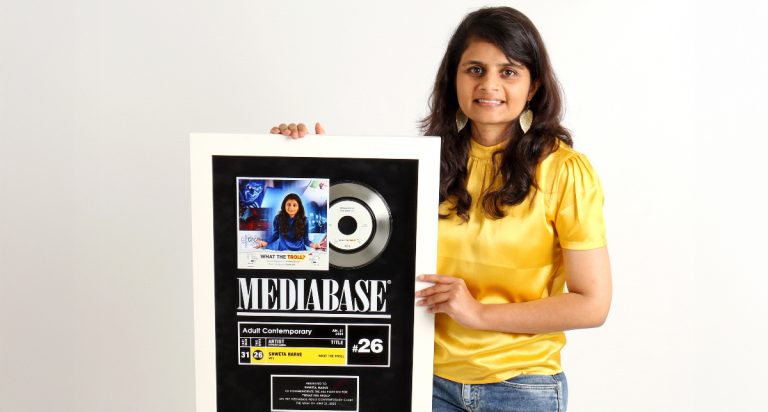
With an artistic voice that fuses introspection, spirituality, and global consciousness, Shweta Harve has quickly become one of the most distinctive singer-songwriters on today’s independent pop scene. Her songs—each a blend of soulful melody and mindful lyricism—have earned her chart placements on Billboard and Mediabase, while resonating deeply with listeners seeking meaning beyond the mainstream. In this conversation, Harve reflects on her journey from personal healing to international recognition, revealing how loss, purpose, and authenticity continue to shape both her art and her outlook on life.

Shweta, you’ve achieved chart success on Billboard and Mediabase. When you first started writing songs, did you ever imagine they’d take you this far?
Honestly, no. When I first started writing songs, it was never about numbers or charts—it was about healing, expression, and connection. I was composing from a deeply personal space, especially after my mother’s passing. To now see those songs resonate globally and chart on Billboard and Mediabase feels surreal. It’s a reminder that when art comes from sincerity, it somehow finds its way to people’s hearts—and that’s the most rewarding success of all.

You’ve called music both a passion and a platform. How do you balance creating something personal while also making a statement about the world around you?
For me, the two are inseparable. My inner reflections often mirror what’s happening in the world, and vice versa. Music becomes a bridge between personal truth and collective experience. When I write, I try to be deeply honest with myself while also asking universal questions—about kindness, mindfulness, or purpose. That’s how songs like “Who Are You?”, “Why So Busy?”, and “What the Troll?”, “Which One Is Real?” were born. They start from something real within me but expand into something everyone can relate to.

Many artists talk about that “first spark” moment when they knew they were meant for the stage. What was yours?
It was in childhood, actually. I remember hearing songs on the radio, then sitting at the piano and playing them back effortlessly after just a couple of listens. That natural connection with melody and emotion made me realize music was more than just a hobby—it was part of who I am. But the true “this is it” moment came later, when I saw how my music could touch people, make them pause, or help them heal. That’s when I knew this wasn’t just performance—it was purpose.

Your songs carry strong lyrical messages. Do you start with words first, or does the melody usually lead the way?
It depends on the emotion. Sometimes a phrase or question comes first—something that feels charged with meaning—and I build the melody around that. Other times, Dario Cei’s instrumental compositions evoke a feeling that naturally brings the words to life. With songs like “What the Troll?” or “How Happy?”, the lyrics and melodies seemed to arrive together, as if the message already knew the tune it wanted to take.

The music industry can be intense and demanding. How do you stay grounded and focused in the middle of all that noise?
My grounding comes from my spiritual foundation and the values my Master and my mother instilled in me—authenticity, humility, and equanimity. I remind myself that I’m here to serve through music, not to chase validation. Meditation, gratitude, and staying connected to the purpose behind each song keep me centered no matter how chaotic things get around me.

If you could collaborate with any artist—across any genre—who would you choose, and why?
I’d love to collaborate with artists who use music as a force for awareness and change—someone like Alicia Keys, who blends soul and social consciousness so beautifully, or Coldplay, for their ability to unite massive audiences through heart-centered messages. Collaborations like these remind us that even in different genres, music has one language: connection.

You’ve been described as fearless in your approach to songwriting. Has there ever been a subject or theme you hesitated to write about?
I wouldn’t say “hesitated,” but there are themes I approach with deep care—like loss, mental health, and identity. These are sensitive topics that deserve honesty and empathy. Sometimes I wait until I’ve fully lived or processed an experience before writing about it. Songs like “Which One Is Real?” “Can You Shed the Past?” and “Have You Loved Like a Tree?” came from that space of reflection—they’re deeply personal, yet they open up universal conversations about healing, release, and love.

When fans look back on your career years from now, what do you hope they’ll say about Shweta Harve and the music you left behind?
I hope they’ll say that the music made them feel—that it helped them pause, listen, and see themselves or the world differently. I want to be remembered not just for melodies, but for meaning—for creating songs that carried hope, introspection, and unity. If my music helps even a few people reconnect with kindness, authenticity, and inner peace, then I’ve done what I came here to do.


“Too Good To Go” by Shari Rowe came when she needed it most.

0

Shari Rowe, who started out singing Christian Church songs, has transitioned to a beautiful country artist. As someone who grew up in Arizona, she has always had a special heart for country music.

While needing a place to escape from so many uncertainties of her health, she wrote “Too Good To Go,” which started out as a poem. At one point, doctors explained her symptoms as a serious blood cancer, Multiple Myeloma. Later on, she got the diagnosis of Eosinophilic
Fasciitis, an autoimmune disease. Even though Eosinophilic is less life-threatening, she still had a lot of fear around her during this time.

Mixing soundings like early 2000s Miranda Lambert and more recent Megan Moroney, “Too Good To Go” has an amazing mix of melodies and storytelling. There is a sadder mood and impression within this song. However, it is an amazing example of how precious your life is.

“Too Good To Go” is a song that captivates your attention; you’ll want to listen to it over and over again. Each time, it will make you think of something even more special in your own life. You’ll be able to appreciate the surrounding things in your life after you give it a listen.

“Too Good To Go” isn’t Shari Rowes’ only song. She also has a couple of EPs, with lots of good stories inside them. Her “Night Like This” EP has a bunch of upper beat traditional country sounds. While her EP “Moonshine” has a lot of slower beats, it still keeps the
happier tones.

If you’re looking for a mix of ’90s and early 2000s country with a modern twist, Shari Rowe is your girl. She has melodies and beats for every mood you’re in. No matter if you’re happy, sad, excited, reflecting on memories, or in a different mood altogether, she has a
song for it.


Article by Belle Long

Best-Selling Pop Records of the Century

0

Pop music, with its infectious melodies and universal appeal, has produced some of the most iconic and commercially successful records since the early 20th century. From the sentimental harmonies of the 1910s to the streaming-era triumphs of the 2020s, these albums and singles have not only topped charts but also defined cultural moments across generations. This list highlights the best-selling pop records by decade, showcasing the genre’s evolution from vaudeville and Broadway to global pop spectacles driven by innovation and star power.

The best-selling pop record of the 1910s is “Sweet Adeline” by the Haydn Quartet (1904), with peak sales extending into the 1910s, estimated to have sold over 1 million copies. This barbershop quartet standard, with its sentimental melody and close harmonies, became a staple of early 20th-century popular music, reflecting the era’s love for parlour songs and group vocals.

The best-selling pop record of the 1920s is Swanee by Al Jolson (1920), a single that sold over 1 million copies. Its upbeat, jazz-inflected performance of George Gershwin’s song captured the vaudeville energy of the Jazz Age, becoming a cultural phenomenon despite its controversial minstrel-show style.

The best-selling pop album of the 1930s is Songs from Walt Disney’s Snow White and the Seven Dwarfs soundtrack by various artists (1938), with over 1 million copies sold worldwide. This pioneering animated film soundtrack, featuring whimsical tunes like “Heigh-Ho” and “Someday My Prince Will Come,” became a family staple during the Great Depression era.

The best-selling pop album of the 1940s is Oklahoma! Original Broadway Cast Recording by various artists (1943), with over 1.5 million copies sold worldwide. Rodgers and Hammerstein’s groundbreaking musical, with hits like “Oh, What a Beautiful Mornin‘,” revolutionized theater and resonated with its optimistic post-war vibe.

The best-selling pop album of the 1950s is Elvis’ Christmas Album by Elvis Presley (1957), with over 17 million copies sold worldwide. Fusing rock ‘n’ roll with festive classics like “Blue Christmas,” it solidified Presley’s teen idol status and dominated sales amid the rock revolution.

The best-selling pop album of the 1960s is The Sound of Music soundtrack by Rodgers and Hammerstein (1965), with over 30 million copies sold worldwide. Featuring Julie Andrews’ iconic performances in hits like “My Favorite Things,” this Broadway-inspired soundtrack blended family-friendly pop with timeless appeal.

The best-selling pop album of the 1970s is the Saturday Night Fever soundtrack by the Bee Gees and various artists (1977), with over 40 million copies sold worldwide. Its disco anthems like “Stayin’ Alive” fueled a cultural craze, capturing the era’s dance-floor energy.

The best-selling pop album of the 1980s is Thriller by Michael Jackson (1982), with over 66 million copies sold worldwide. Produced by Quincy Jones, hits like “Billie Jean” and the iconic “Thriller” video redefined pop as a global, boundary-breaking spectacle.

The best-selling pop album of the 1990s is The Bodyguard soundtrack by Whitney Houston and various artists (1992), with over 45 million copies sold worldwide. Anchored by Houston’s “I Will Always Love You,” it blended R&B and pop, becoming a decade-defining emotional powerhouse.

The best-selling pop album of the 2000s is The Fame by Lady Gaga (2008), with over 18 million copies sold worldwide. Electro-pop hits like “Poker Face” launched Gaga’s provocative style, embodying the era’s blend of club anthems and celebrity culture.

The best-selling pop album of the 2010s is 21 by Adele (2011), with over 30 million copies sold worldwide. Soulful hits like “Rolling in the Deep” captured raw heartbreak, dominating the charts during the transition to streaming.

The best-selling pop album of the 2020s to date is Folklore by Taylor Swift (2020), with over 3.2 million equivalent album units sold worldwide. Its indie-folk pivot, with introspective tracks like “Cardigan,” resonated deeply during the pandemic, marking a cultural milestone.

From the barbershop nostalgia of the Haydn Quartet to Taylor Swift’s introspective storytelling, these best-selling pop records trace a century of musical innovation and cultural resonance. Each release, whether a single or an album, reflects its era’s spirit, from wartime optimism to modern streaming triumphs, cementing pop’s legacy as a genre that unites and inspires across time.

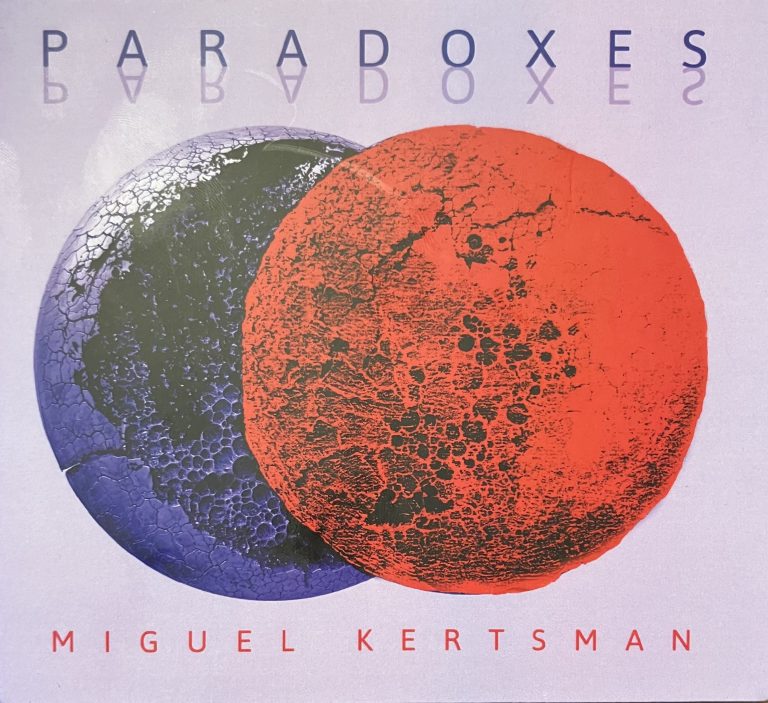
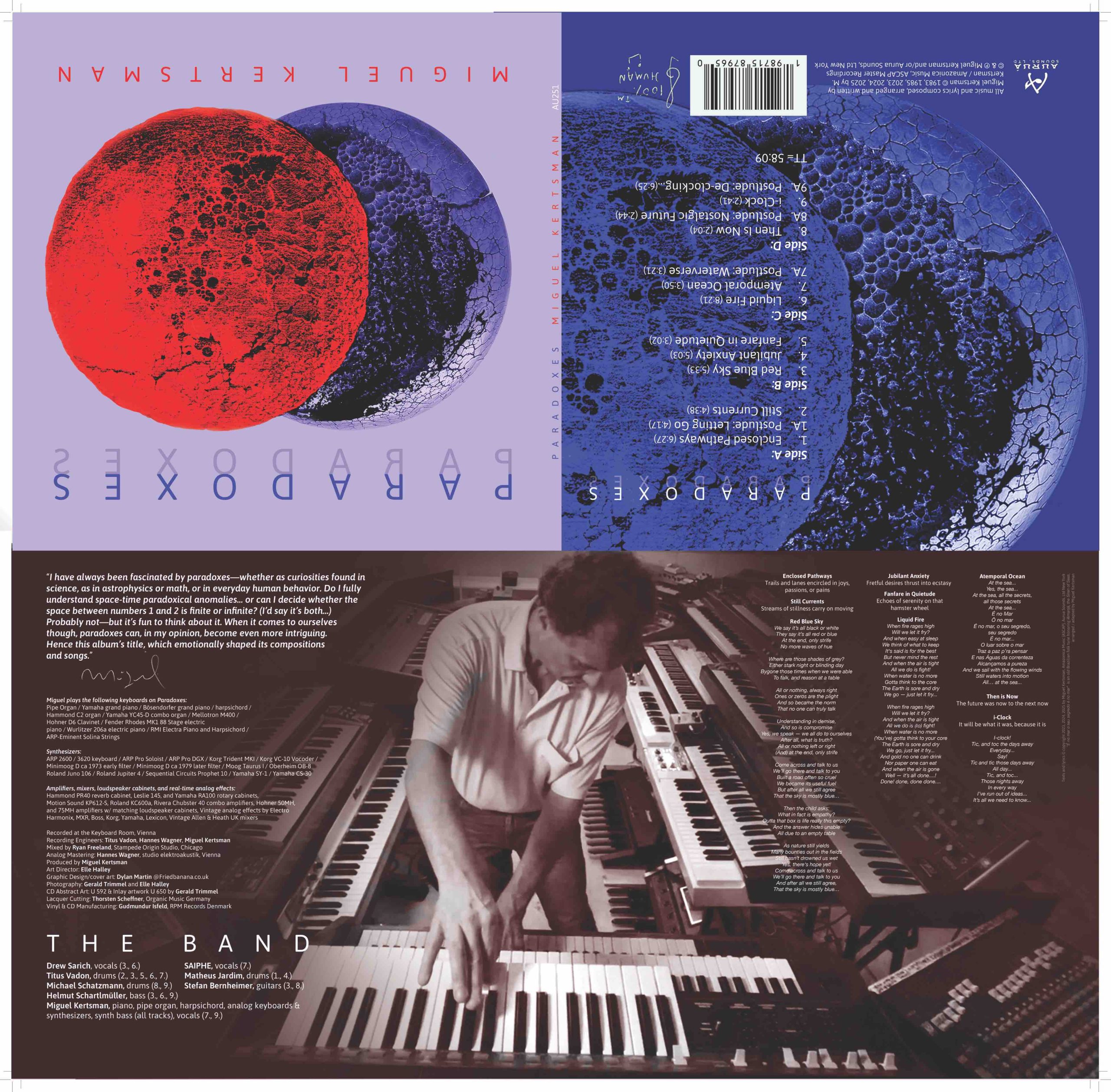
Album: Paradoxes by Miguel Kertsman

0

When a composer whose work has graced the London Philharmonic Orchestra, the Olympics, and countless video game soundscapes decides to return to the progressive rock that first ignited his musical passion, you know you’re in for something extraordinary. Miguel Kertsman‘s “Paradoxes” is that rare album, a sophisticated collision of European classical tradition, Brazilian folklore, and the vintage synthesizer-driven prog rock of Yes, Pink Floyd. This is a nutritious concept album that demands your full attention. It’s played entirely live on original vintage instruments whose warm, analog tones haven’t graced a record like this in decades.

Paradoxes are those beautiful contradictions found in astrophysics, mathematics, and human behavior itself. Kertsman weaves these themes throughout a narrative that contemplates our polarized world, our anxiety-ridden relationship with Spaceship Earth, and the fundamental mysteries of our existence. With Minimoogs, Mellotrons, and Prophet 10s, drums, bass, and guitars, Miguel Kerstman is more than equipped to tell a story of epic proportions. Let us dive deep into each movement of this meticulously crafted odyssey.

“Enclosed Pathways” sets the stage with its prolonged intro and haunting soundscapes to probe your imagination. Once the drums hit, though, you realize this isn’t just a ride in ambient psychedelia; no, this is much more. As the song’s unconventional structure unfolds, Kertsman’s vision becomes clear: To invite you to explore the pathways of your mind. But before you get lost at around the 4-minute mark, a funky groove is introduced, and we return to normalcy before crashing back to the atmospheric intro.

“Postlude: Letting Go” serves as a conclusion to the previous track. An open, honest, and raw outpouring of notes that is a foil to the mind-vexing journey of the song that precedes it and the one that follows.

“Still Currents” continues the album’s paradoxical naming convention, and Kertsman starts with the most intense and busy section at the helm. A driving and bombastic section with a memorable marching melody that fades away in under a minute to represent currents ceasing. There is some incredible sound design of waves and almost whale-like sounds floating in this section. We’re then gently guided back to the bombastic melody that we started with. A paradoxical cycle like the tide.

We arrive at the album’s first vocal song, “Red Blue Sky”. Its theme is about our increasing inability to engage in an honest discussion with one another and our futile attempts to divide and categorize things into two camps instead of trying to listen to each other and reach some common ground. The lyrics are an allusion to political division. Musically, this could be mistaken for a Pink Floyd song with how mellow the music is and how the song’s message is about unity, a la “Us and Them”

“Jubilant Anxiety” is the next song on the album. The song’s title is probably the most relatable paradox of them. This is the heaviest song so far, with so much dissonance baked in and that headbang-inducing main motif and groove. Speaking of groove, the drums on this track deserve some highlighting. Matheus Jardim delivers a really complex, nuanced performance here. As the song switches to Jazz/Fusion, the drums steal the show with complex passages switching to heavier ones seamlessly.

“Fanfare in Quietude” has less seamless transitions, but that’s the point of this song. This song has the most traditional classical arrangement of all the songs on the record. At its core, at least. If you strip away the interesting and varied texture choices, it’s simply a very powerful classical piece of music about celebrating the quiet moments in the loudest way possible.

“Liquid Fire” opens with a Tool-style riff that immediately grabs your attention. Kertsman’s environmentalist lyrics paint a picture of our planet’s precarious state, warning of the consequences when we ignore nature’s balance. Those heavy riffs represent the fire, but it never stays in one place for too long. Classical orchestration collides with ambient synth sections to create the liquid part of the song.

“Atemporal Ocean” is a dreamy masterpiece and features vocals from Miguel Kerstman and Loren (Saiphe) Kertsman. The lyrics flow between English and Portuguese as the harmony takes on a journey across an ocean stuck out of time, yet full of secrets. “Postlude: Waterverse” is the instrumental conclusion that feels like watching the tide recede. It works beautifully as a supplement to the dreaminess of the previous song.

“Then Is Now” and “Postlude: Nostalgic Future” have a space-age-flavored harmony that conveys the vastness of space-time. The endless possibilities that are yet to happen and that have already gone away at the same time. The instrumentation here is sparse and very carefully handpicked to paint enough of an image to probe your mind and leave you to contemplate what “Now” actually is.

“i-Clock” reminds me of the band Curved Air, with its groove that has an almost reggae quality to it. The creatively designed patches on those analogue synths color the sonic landscape, and just when you think you know where the song is headed, we get a drum break and a harpsichord solo! “Postlude: De-clocking” serves as both a conclusion to the previous track and its own journey. Miguel Kertsman takes us through oscillating sounds and varied dynamics, with synth textures that pulse and breathe like a living organism. The piece builds and recedes with surgical precision, serving as the perfect ending for this multifaceted experience.

Miguel Kertsman’s “Paradoxes” achieves that delicate balance between instrumental virtuosity and emotional storytelling. This is music for those who remember when albums were journeys, when synthesizers required actual hands-on performance, much like any physical instrument, and when prog rock visionaries fearlessly pushed every boundary they encountered.

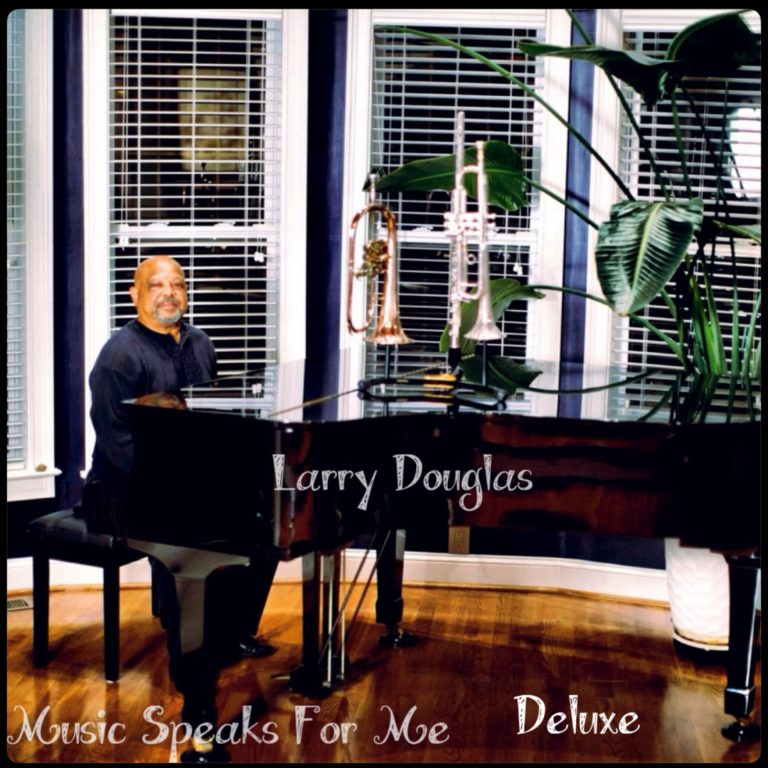
EP: Music Speaks For Me by Larry Douglas

0

“Music Speaks For Me” is Larry Douglas’ latest EP, and it takes an adventurous, non-linear arc across many blues-derived genres. It starts out modern and in the realm of rap/hip-hop, though it still sounds like an old era of hip-hop when they were using soul samples like the old Ice Cube albums or something of that era, not trap/drill or the currently more popular subgenres of hip-hop. The EP then shifts towards more R&B and old school jazz sounds.

The first three tracks are really groovy, featuring hypnotic, retro drum programming from LaDamon Fatboi Douglas, solid rap performances, and dreamy synths. But then it morphs, and that shift starts to happen in the fourth track called “Outstanding”, a catchy R&B anthem, and then two straight somber jazz songs. This reflects Douglas’ philosophy of “sound painting”. So let’s embark on a journey across Larry Douglas’ canvas.

We start the EP off with the title track “Music Speaks For Me”. It starts us off on the modern end of the spectrum of blues-derived music with an R&B/Hip-hop beat and flute melodies to keep you afloat. It’s like driving in neon city lights and just jamming out. Truly letting the music speak, with the lyrical component taking a backseat. There is a secondary melody being played on this song, a playful, plucky, vibey sound that really fleshes out the rhythm of this groove-heavy track.

We move to Douglas’ cover of Mark Morrison’s “Return Of The Mack” where he spreads his jazz wings a bit more, with the bulk of the song being really tasty, jazzy improvisations. Grooves from percussionist Jorge Pineda place these nineties New Jack Swing jams into a jazzy context, and then we come face to face with incredible original verses by Amen Kush and Fiyahman that put the cherry on top.

The third track is “Me and My Cohiba”. A much more rap-forward track now with powerful bars from Remi while Douglas lays down trumpet tones that have been described as “velvety and silky” by Leonard Feather. The song also features a sitar among the colorful harmony layers, a fresh choice of textures that kept my ears guessing.

And now, the turning point of the EP, “Outstanding.” It’s a lush confluence of tones and timbres that showcases Douglas’s full range, utilizing vibes, trumpet, and flute to complement guest Atozzio’s mellifluous voice. The textures of this song are just full-on 90s R&B, including soulful backup vocals, though it has decidedly modern percussion elements. Definitely the catchiest and most “pop” song of the record.

“They Call Her Zadie Mae” is what I describe as a noir jazz style ballad. It’s a collaboration with Clifford Lamb on piano. The music here paints a vivid picture, but like any great instrumental ballad gives you room to imagine and immerse yourself. “Who is Zadie Mae?”, “How did she inspire such intrigue in one’s soul to play such heartachingly beautiful music?” are questions that will surely come to mind as you let yourself go to this song.

But don’t lose yourself too much because, as the finale, we arrive at an incredibly mature instrumental cover of Al Jarreau & George Benson’s “All I Am”. Somber reflection alongside a sense of melody developed over decades of experience in the San Francisco area is a killer combo that serves this cover well and does the original justice. These final two songs (deluxe edition exclusives) firmly land us in pure jazz goodness at the heart of the old blues-derived music.

There’s an incredible amount of authenticity and passion in the music on this EP. Larry Douglas, in “Music Speaks For Me”, has delivered a soulful and heartfelt tribute to all the blues-derived genres in the only way a true musician can: to let the music speak for him.


You Gotta Know by Collaborations

0

Creating a song that captures the warmth and optimism of a bygone era while delivering a message for today is a rare achievement, and Collaborations have done exactly that with their latest single, “You Gotta Know” featuring Anais Preller. I guarantee this track will wrap around you like a warm embrace. Here’s why it resonates so deeply.

This is an uplifting anthem with a soulful heart that encourages listeners to question the world around them and imagine how they can make it better. It feels like stepping into the 90s, wholesome, genuine, and brimming with the timeless, indomitable spirit of humanity. There’s something incredibly warm about this track, a comfort that reminds you of simpler times while inspiring hope for the future.

Anais Preller’s vocals and contribution to the lyrics are the emotional centerpiece, delivering the song’s empowering message with stunning sincerity. Kevin Monroe arranged the backup vocals alongside Simone Brown & Devotion. Matt Oestreicher brings soul to the piano, while Tim DeHuff delivers expressive lead guitar work. Ed Daniels (rhythm guitar), Scott Spray (bass) and Tommy Naggy (drums) hold the fort as the rhythm section. The orchestral strings, arranged by Dave Eggar and Lova Zhurbin, add a richness to the sound. This is an absolutely incredible ensemble of talented musicians, and it really helps the feel of unity that the song’s theme discusses to have all these artists come together and make something this beautiful.

Produced by Vic Steffens and co-produced/arranged by Matt Oestreicher, with engineering by Jake Palumbo at Horizon Studios, the production quality perfectly supports this assembly of talent.

“You Gotta Know” is a great preview for the upcoming “Songs From The Heart Vol. 2 (2026)”. Collaborations have created more than just a song; it’s a reminder of music’s power to unite and inspire.

Unsystematic808 Unleashes “Unsystematic”: A Fiery Electronic Opus and a Bold New Streaming Platform for Creators

0

Unsystematic808 comes running out of the gates with a truly explosive mosaic of fiery yet complimentary styles on his electronic music opus of an album “Unsystematic”, which sets his detailed sonic imprint and personal philosophy free for listeners everywhere. The music is a literal kaleidoscope of unpredictable sounds and ruthless grooves, painting with reckless abandon and ample vitriol. Where chaos lurks, Unsystematic808 brings effortless alchemy and fortitude.

The impossible is what we dream and do not make reality.”– Unsystematic808

Fans of Electronic, Dance, House, Techno, Tech House, Progressive House, Electro House, Big Room, Melodic Techno, Melodic House, Synthwave, Retrowave, Ambient and much more will find true delicacies and powerful work here. Behind all of this is a radically honest and passionate human who feels compelled to create in multiple ways.

Unsystematic808 is more than just a music producer — he’s a multifaceted creator and entrepreneur. Known for his high-energy sets as a DJ and his bold work as a rapper and electronic music producer, he brings the same relentless drive to every project he touches.
Beyond music, his entrepreneurial spirit has led him to success as a construction business owner, proving his ability to build not only tracks, but tangible ventures from the ground up. Now, he’s channeling that same vision into a groundbreaking new project: Unsystematic, an ad-free streaming platform designed to pay artists fairly and return power to creators.

Always moving forward, always building, and always challenging the system, Unsystematic808 embodies the spirit of the independent entrepreneur — an artist and innovator who sees opportunities where others see obstacles.

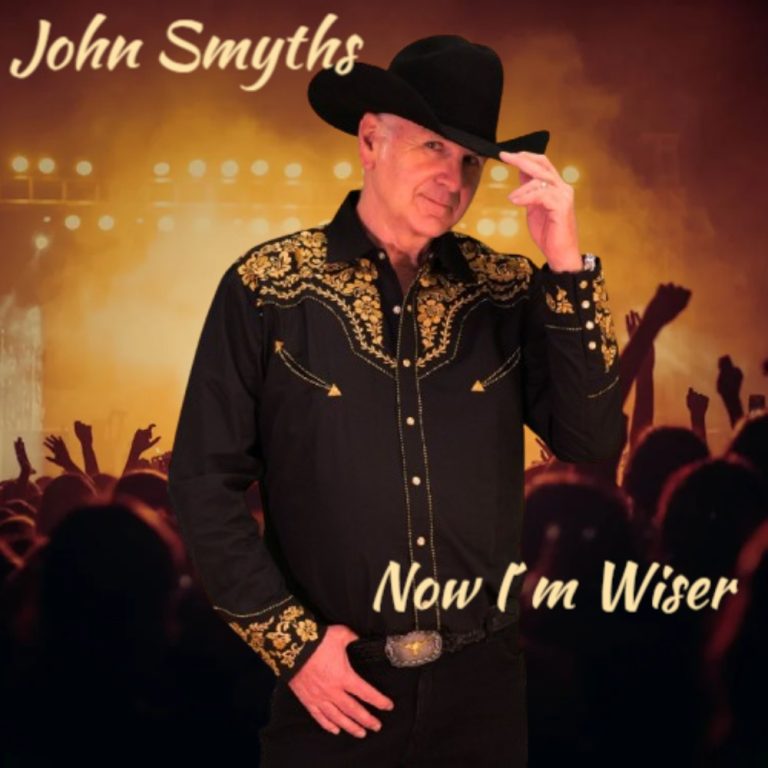
Now I´m Wiser by John Smyths

0

“Now I’M Wiser” is John Smyth‘s latest single; it was released on August 31, 2025. It’s got that timeless country heart and soul and a lived-in wisdom that one cannot simply fake. Thematically, the song is about looking back, learning from one’s mistakes, and celebrating the triumph of coming out on top. It’s the kind of track that feels like it could have been written decades ago, but still hits home right now.

The song’s brightness walks the line of being borderline cheesy with that unmistakable country twang front and center. The major key keeps everything feeling light, almost like a sunny afternoon drive. Production-wise, it’s stripped back and honest, no tricks, just the essentials. It reminds me of something you’d hear sandwiched between Hank Williams and Kenny Rogers, but with its own fresh spin.

What really stands out to me is the vocal delivery. There’s just enough grit and warmth to make the story feel real.  Smyths surprises us right near the end, there’s this key change that just lifts everything. It’s a classic country trick, and it feels well-placed. That last push gives the song a real sense of arrival, like you’ve made it through something and come out the other side.

“Now I’M Wiser” is just an honest, no-nonsense country song. It’s got that brightness and a kind of hard-won wisdom that feels real. If you’re looking for something that captures what makes country music great, storytelling, heart, and a little bit of grit, this one’s worth a listen.